English
 Español
 Français
 Deutsch
 Italiano
 Português
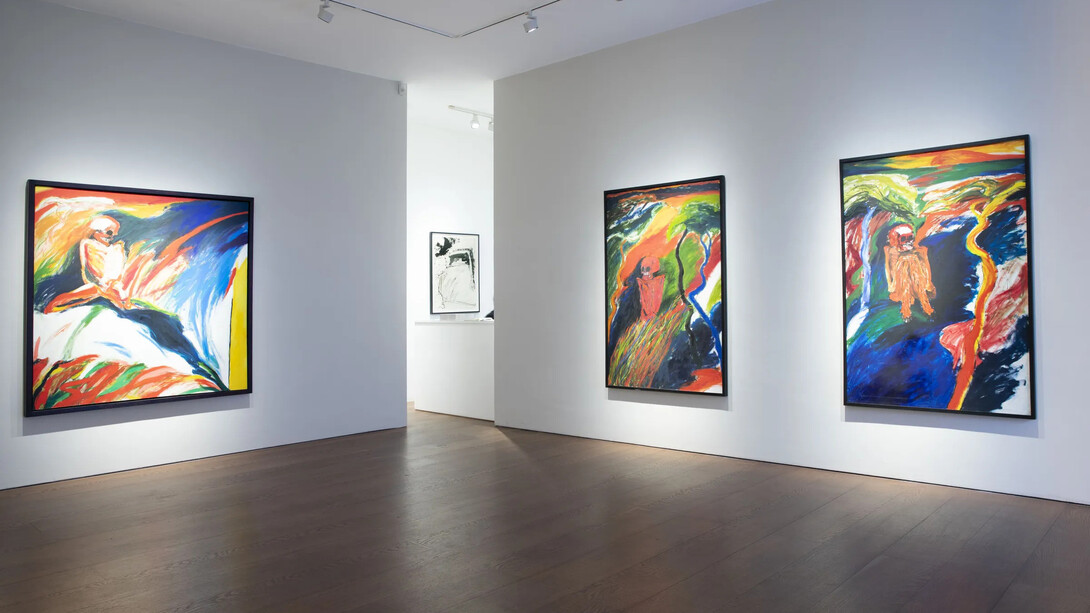
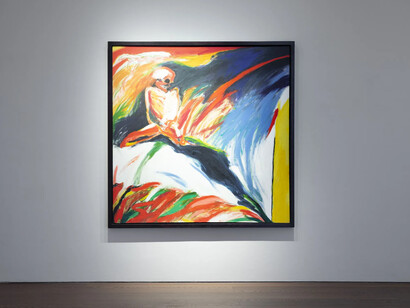
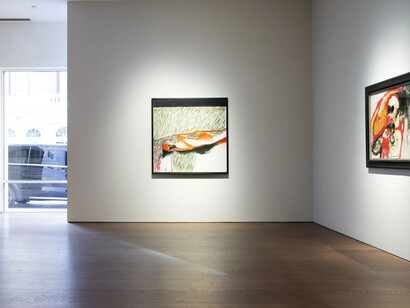
Flowers Gallery presents William Crozier: Dance of the living, 1961–1974, an exhibition exploring a pivotal period in the artist’s career when he left behind the dark pastoral images with which he made his reputation in the late 1950s and, profoundly affected by post-war existentialist philosophy, he challenged himself to create a contemporary image of the human condition through figure and landscape.
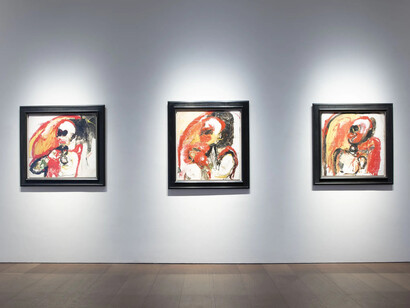
Crozier’s work during this period drew on many diverse sources, including his memories of the horrific newsreels of World War II, and depictions of the ‘danses macabres’. Included in the exhibition are three of the earliest, visceral and confrontational skeletal bust portraits, together with two previously unexhibited large-scale drawings.
In these paintings of the 1960s and early 1970s, Crozier often spoke of his desire for the landscape not to be identified as a specific country or area, but more a traumatised natural environment of the imagination. For the artist, the figures themselves were always in heightened emotional states, whether triumphant, anxious or utterly desolate; their emotions in vibrant streaks of paint emanate from their forms into their surroundings, figure and landscape becoming one.
For Crozier, the creation of these paintings was such a harrowing experience that when he stopped painting them in 1975, he thought he might never paint again. Instead, he returned to painting the landscape — now without figures. Crozier said of these paintings:
I like to have the human presence without the human subject being there. So, you, the viewer, become the human presence...
(William Crozier)
William Crozier first exhibited with Angela Flowers in 1985, beginning a relationship with the gallery that would continue throughout his lifetime. Following Crozier’s death in 2011, Flowers Gallery continued to work closely with his widow, Katharine Crouan. In 2025, the gallery announced its full representation of the William Crozier Estat