English
 Español
 Français
 Deutsch
 Italiano
 Português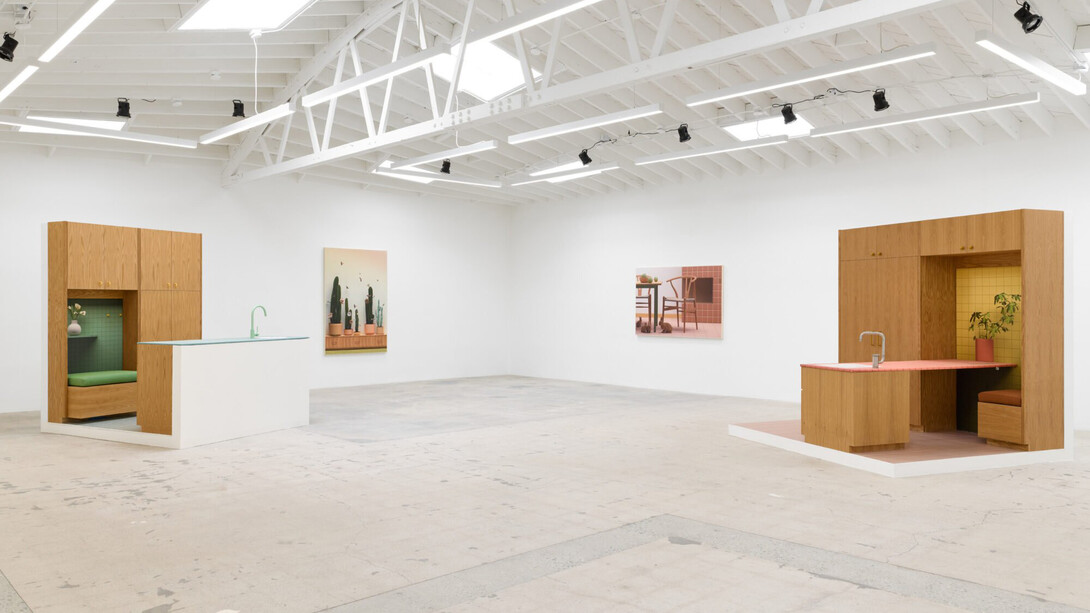
Anat Ebgi is pleased to present the gallery’s second solo exhibition with Los Angeles-based artist and architect Erin Wright. The exhibition, entitled Memnosphere, is on view at 6150 Wilshire Blvd from September 19 through December 19. An opening reception will be held with the artist on Saturday, September 19, 6-8 pm.
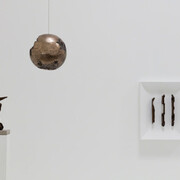
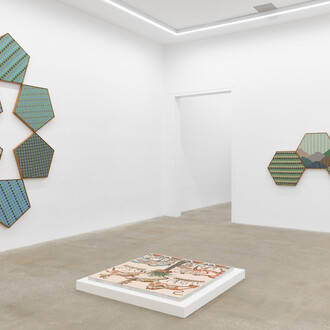
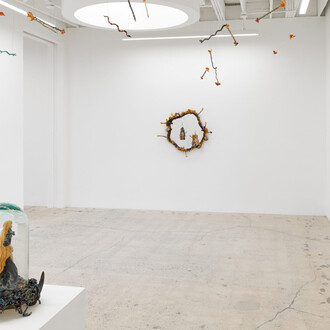
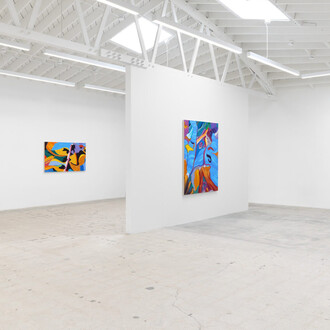
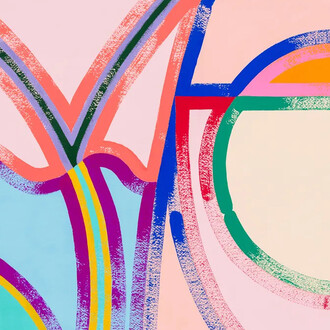
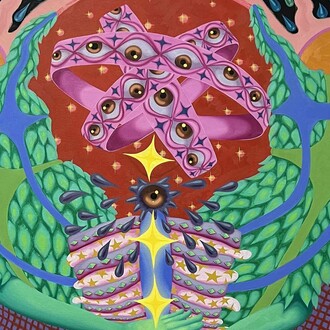
For Memnosphere, an invented title, Wright expands her ongoing examination of domestic architecture, perception, and surface through an attempt to find the edges of a single word, ‘smell.’ Traversing the field of sensory experience, Wright draws upon three themes: mythology, memory, and research. Across a new suite of paintings, three life-scale kitchenette installations, and a loose-leaf catalogue combining her own texts with reference ephemera, Wright explores this elusive sense, which resists stable representation.
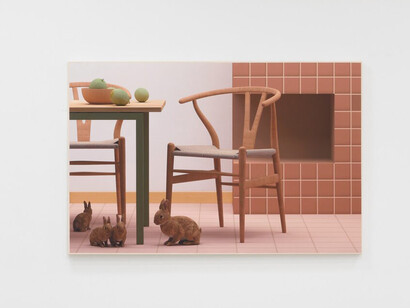
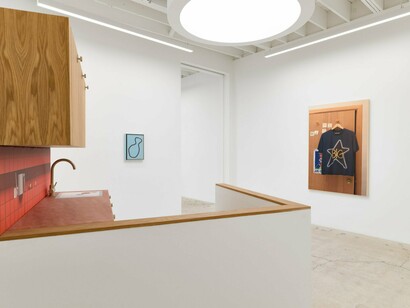
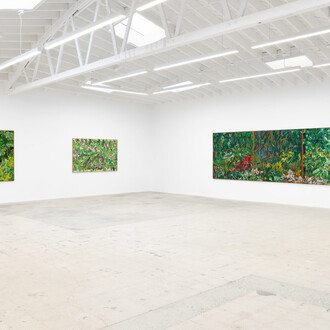
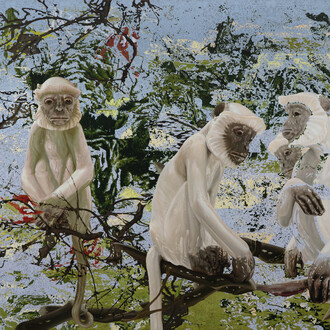
Wright’s paintings retain the rule-bound precision that has defined her practice, rendering tile, wood grain, upholstery, plants, clothing, fruit, insects, skin, and hair, with an exacting clarity that recalls computer-generated architectural visualization and aspirationally casual product photography. Yet, these controlled environments are disrupted by sensory and associative cues: moths hover among flowering cactus; rabbits gathered beneath mid-century furniture; a magnolia cutting perfumes the room near a patterned sofa; a cotton t-shirt hangs on the back of a door.
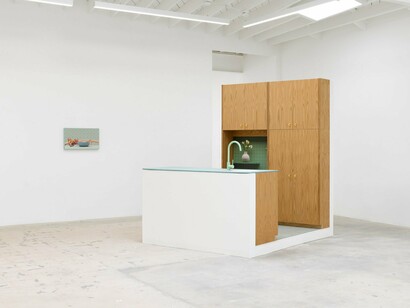
Constructed on site, Wright’s kitchenette sculptures bridge the ideas of photorealism from her painting practice into the three-dimensional world. Though life-size and complete with upholstered banquettes that serve as gallery seating, they retain propositional qualities of an architectural spec: the cupboards do not open, nor are the sinks plumbed. They sit at the edge of reality, much as Wright’s painted imagery approaches the edge of the canvas while stopping just short of it; a fractional quarter inch border reinforces their foothold in the realm of pure representation.
Wright has also produced a loose-leaf catalogue of original writing, collected excerpts, quotations, recipes, images, and ephemera, available for visitors to peruse in each of the kitchenettes. The catalogue takes inspiration from John Cage’s 1993 Rolywholyover: a circus exhibition catalogue for MOCA Los Angeles, part of Cage’s ever-changing ‘composition for a museum.’ Many of the short texts offer partial explanatory pathways into the stories behind specific paintings—for example, the medieval practice of wearing amuletic Jet necklaces to repel negative energy; or the mythologized pop science practice of women in Elizabethan England soaking up armpit sweat with sliced apples; or another sheet which transcribes the recipe for Southern Sweet Rice.
In perfumery, fragrances are understood to develop temporally on the skin, moving between the opening and top notes to the heart and eventually to the base. After the brighter, more volatile notes settle, the residual character of the drydown remains, mingling with the wearer’s skin revealing the fragrance’s most individual expression. Although a fragrance’s listed notes can help describe this pyramidal progression, its final effect remains particular to the wearer. Over its three-month run, the exhibition will echo this temporal unfolding, as well as the nonlinear experience of paging through Wright’s loose-leaf catalogue. Paintings will come and go and rotate throughout the duration of the show, allowing the exhibition to shift from one visit to the next, unfixed as memory.