English
 Español
 Français
 Deutsch
 Italiano
 Português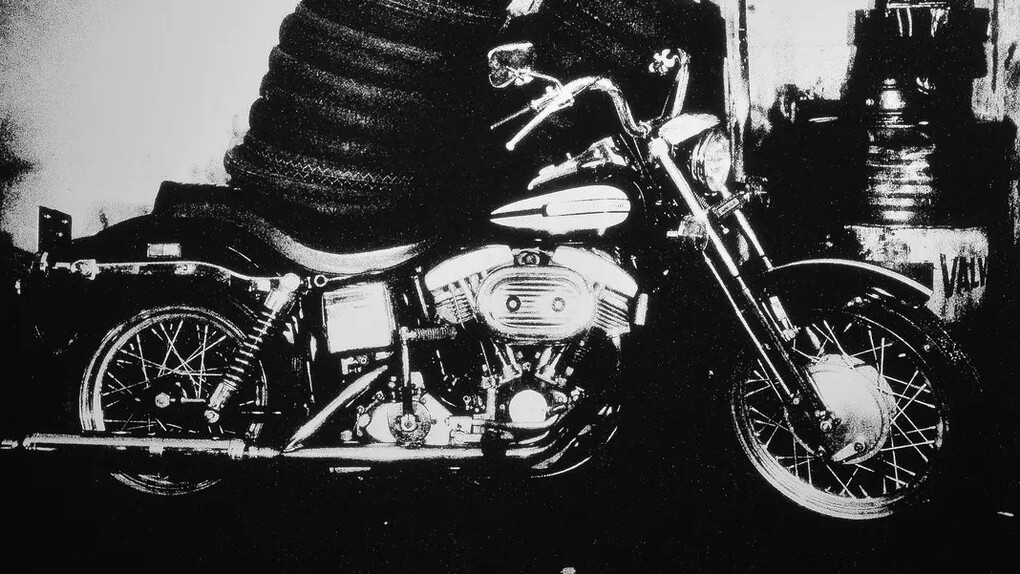
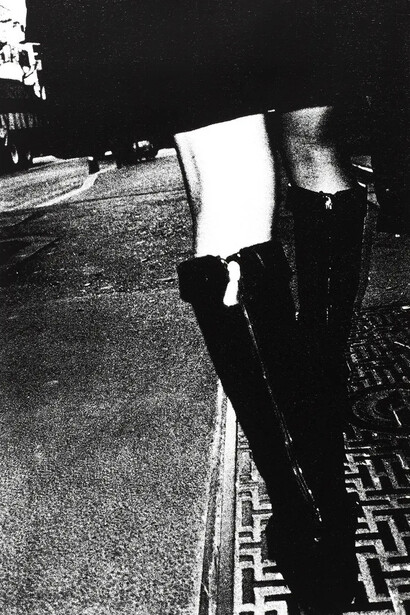
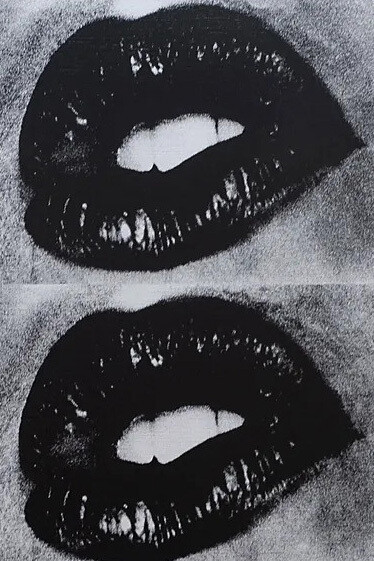
From 1968 onwards, Daidō Moriyama became preoccupied with Andy Warhol and his silkscreens. This was furthered by a consequential visit to New York City in 1971, where he further came into contact with Warhol’s work and milieu. This marked the genesis of a process where Moriyama played with the essence of duplication, repetition and mass production in his practice.
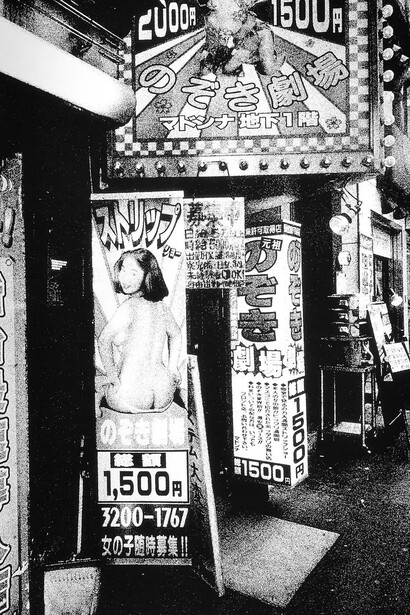
America’s postwar occupation of Japan and subsequent global cultural hegemony seriously inflected Moriyama’s subject matter. The artist started his freelance photographic career in 1964, the same year that Tokyo hosted the Olympics. In order to prepare for the event, old neighbourhoods were torn down and large concrete expressways and neon-lit commercial districts were erected, rapidly setting the city on a path hurtling toward hyper-capitalism and Western influence. In response, Moriyama’s work centres on the movement, immediacy, transience and frenetic energy of daily life in this evolving metropolis. Images of laundry drying, scenes through the windows of speeding cars and people walking down teeming streets heighten the impermanence of reality and the new brutal pace of life.
In addition to the practice of silkscreen printing, Warhol’s preoccupation with ideas of celebrating the mundane and repetition can be traced in Moriyama’s work. As Warhol was recognised for his representation of consumer goods and logos, Moriyama represents advertising hoardings for North American mass-produced consumer goods such as Coca Cola, Canada Dry and Pepsi and the intensity of their presence in the visual world he was shooting. The Americanisation of Japanese culture and the increased eroticism in high-street advertising became an iconic motif of Moriyama’s work, as did the act of moving through the world and the exchange between individuals and their environment.
Another significant influence on Moriyama was Jack Kerouac’s 1957 novel On the Road. As described by Simon Baker, former senior curator of photography at Tate, this led to works where “the photographic image loses its indexical grip on the journey, giving itself over to a delirious revelling in the strangeness of automotive visions: speed, motion, night-time headlights, rain-swept windscreens and the world receding in the rearview mirror”. Moriyama opted not to pause to focus, but rather to travel at same speed as the motion he was capturing. To capture the world as it is in flux.
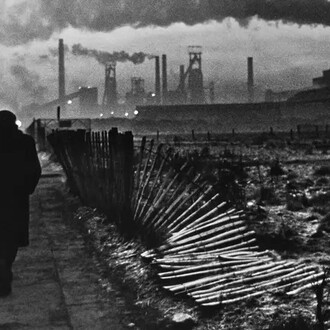
Made using deep black ink, Moriyama’s silkscreens are large format and either unique or in small editions – a marked departure from his usual open editioned gelatin silver prints. The works span multiple aspects of his oeuvre, from initial projects made in Tokyo in the ’60s to later influences which would push his work to contemporary, international acclaim.