English
 Español
 Français
 Deutsch
 Italiano
 Português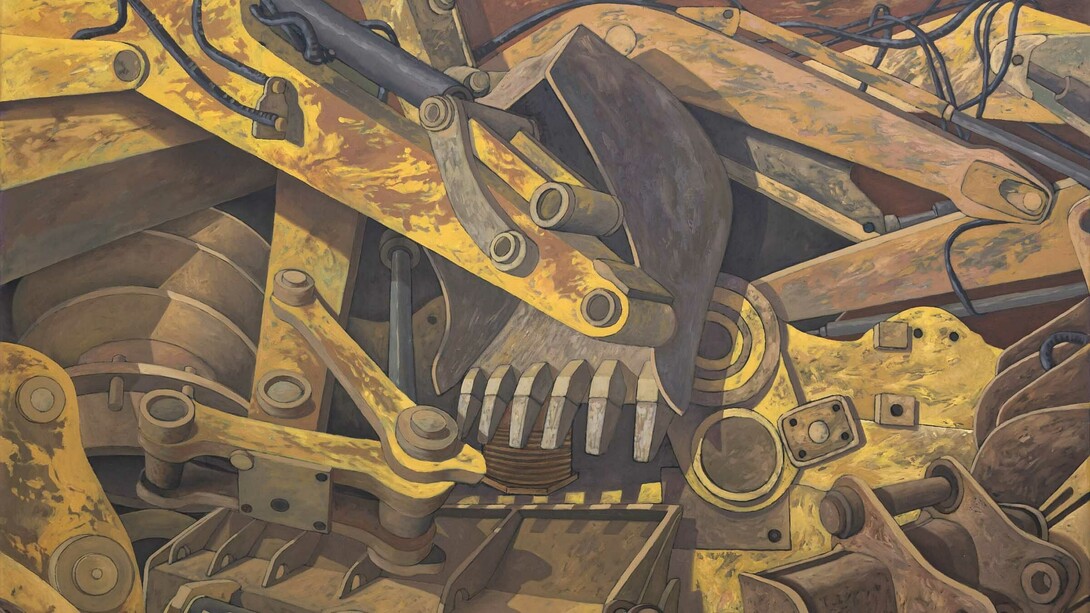
The presentation examines the paradox of steel as both protection and domination, reflecting on power, resistance, and the fragile condition of contemporary existence.
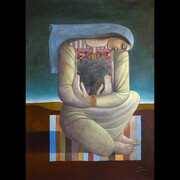
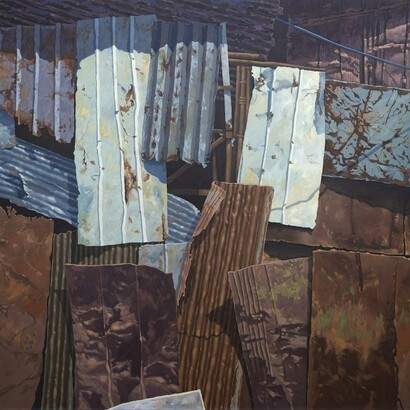
Zawyeh Gallery presents The field of dreams, a solo exhibition by Bashar Khalaf, opening on 19 September 2026 at Alserkal Avenue, Dubai. Through two new series - Junk garden and Protective shield - Khalaf examines the symbolic and material presence of steel in public space, reflecting on its shifting meanings within contemporary political and social realities.
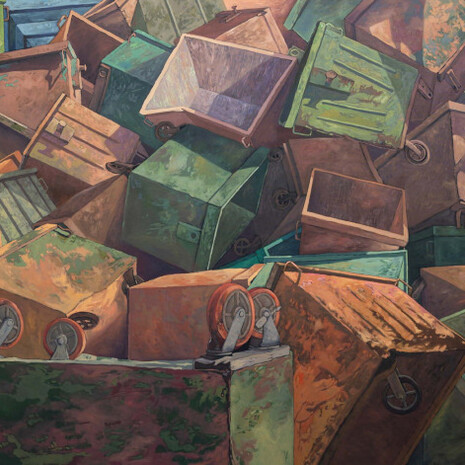
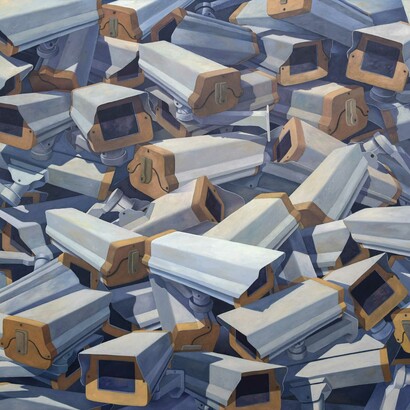
Working in oil painting, Khalaf focuses on industrial and urban elements such as bulldozers, vehicles, surveillance cameras, garbage bins, and steel barrels. These objects appear not merely as infrastructure, but as charged symbols that mediate the relationship between the individual and larger systems of power. By isolating and recontextualising these forms, Khalaf highlights their paradoxical nature - steel as both protection and control, defence and domination.
In Protective shield, garbage bins reference their improvised use during the First Intifada, when they were positioned in streets to block military vehicles and provide shelter during confrontations. In contrast, steel barrels filled with cement recall mechanisms of restriction and enclosure used to seal entrances to villages and refugee camps. Through this duality, Khalaf underscores how material objects can embody conflicting histories and political functions.
Across the exhibition, fragmented machines and spiralling structures suggest instability and transformation. The works reflect on a contemporary condition shaped by accelerated capitalism, technological control, and the erosion of autonomy. Rather than proposing solutions, Khalaf invites viewers to confront the contradictions embedded within modern systems - and to consider how identity, resistance, and memory persist within them.
The field of dreams situates steel not simply as matter, but as metaphor: a material that absorbs human struggle while simultaneously shaping it. Through this lens, Khalaf reclaims the language of critique, offering a timely reflection on power, fragility, and the enduring tension between domination and self-determination.