English
 Español
 Français
 Deutsch
 Italiano
 Português
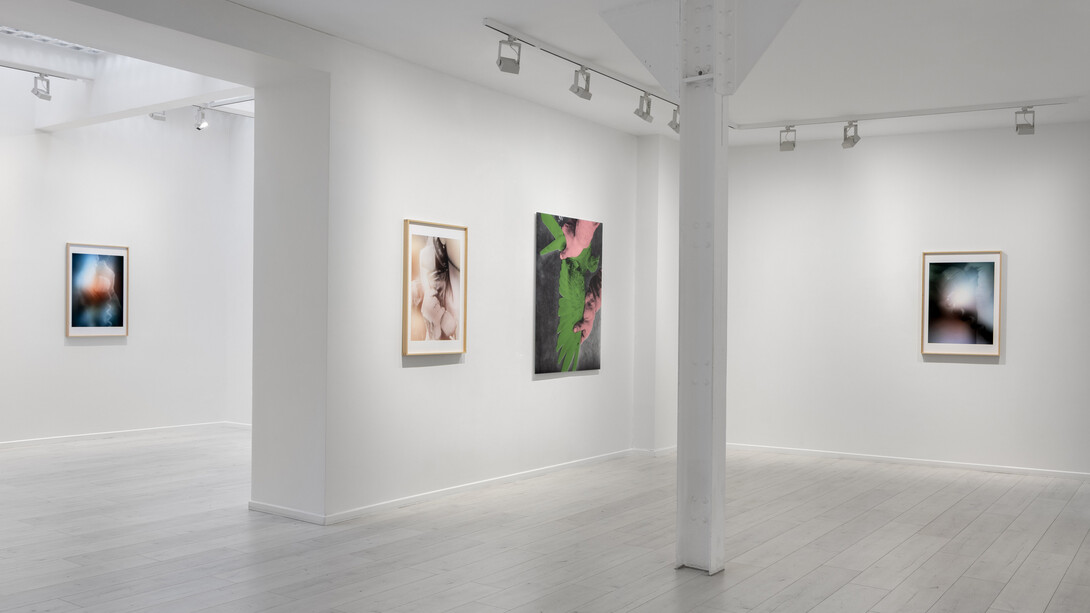
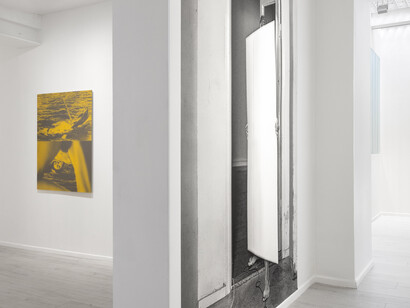
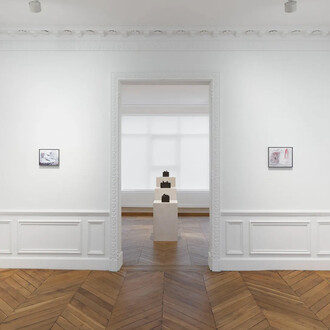
Andréhn-Schiptjenko Paris is proud to present A song for Europe, Annika Elisabeth von Hausswolff’s second solo exhibition with the Paris gallery. The opening will take place in the presence of the artist on Saturday 17 October, from 6pm to 9pm. The exhibition runs through 21 November 2026.
Annika Elisabeth von Hausswolff is a seminal artist in the Nordic region and has been widely exhibited throughout Europe and the United States. She is well known for her carefully arranged images, often characterised by a documentary visual expression, and several of her series have drawn inspiration from crime scene photography. Recurring themes in von Hausswolff’s work include patriarchal structures, criminology, global capitalism, the subconscious, and a deep interest in the photographic image itself. Her practice also extends to the transition from analogue to digital photography, examining the nature and conditions of the photographic medium.
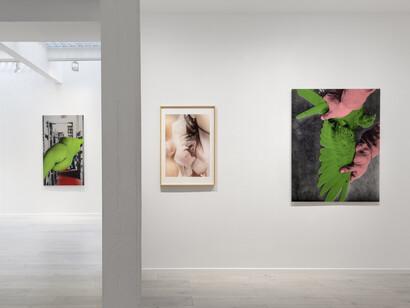
In recent years, her works have increasingly been based on existing photographs, drawing primarily on material sourced from press and police archives. This new exhibition makes almost exclusive use of found photography and archival material, the artist’s preferred mode of working today. The shift from her earlier, carefully staged images—which she photographed herself—is rooted in her growing interest in the world of images and the image per se, rather than in reality itself. Perhaps this step from taking photographs to working with those made by others is not such a significant departure, given that her earlier work was likewise more concerned with the image than with a particular “reality”.
Von Hausswolff even describes her use of others’ images in terms of Frankenstein’s laboratory: assembling fragments and intervening in existing photographs becomes an act of resuscitation. The choices made in this process constitute the artistic method. In parallel, the titles of her works form an important aspect of the altered image and its new identity.
Working solely with physical images—found in archives or purchased online or at flea markets—the material quality of the photographs is paramount. This physicality also translates into the images of analogue telephones, first seen in her work at the Hasselblad Foundation’s mid-career retrospective in 2016. The ergonomically designed receiver, held in the hand, establishes a bodily connection via the wire, coiled almost like an umbilical cord. Communication, in turn, necessitates remaining more or less in place, close to the telephone.
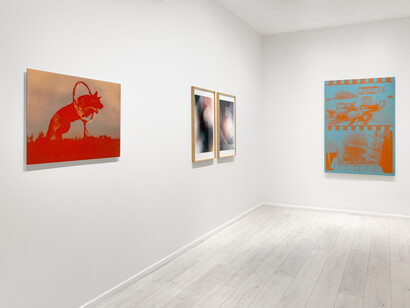
Also present in this new body of work is the German shepherd, a key trope in von Hausswolff’s practice since the early 1990s. The breed—preferred by law enforcement, militias, and criminals alike, and thus equally associated with threat and protection—is the silent witness par excellence: the companion who sees and hears everything, yet is bound to silence.