English
 Español
 Français
 Deutsch
 Italiano
 Português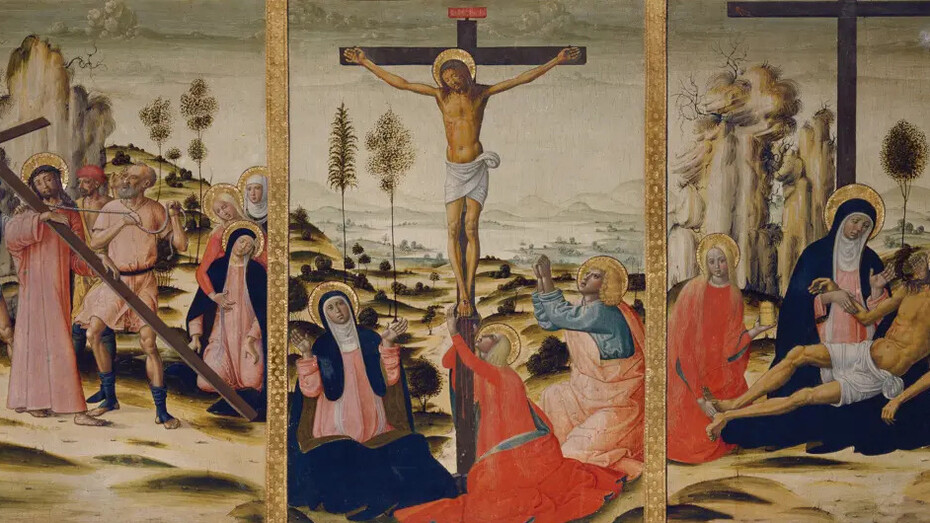
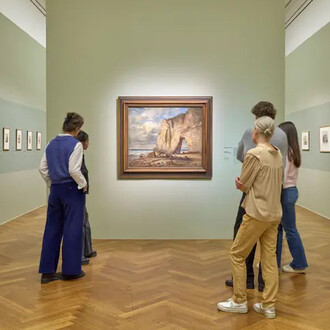
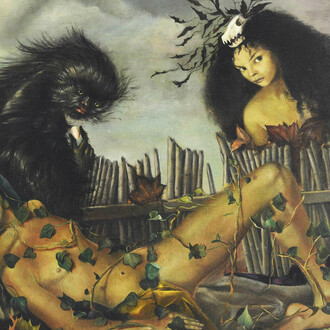
Somewhere between saint, sinner and close companion of Christ: For centuries, Mary Magdalene has been one of the most multifaceted female figures in biblical tradition and art history. The Städel Museum and the Liebieghaus Skulpturensammlung are presenting the first comprehensive exhibition in the German-speaking world dedicated to her. The exhibition portrays her not only as a projection screen for cultural and religious ideas, but also as an independent figure through whom diverse conceptions of the body, faith and social roles are revealed.
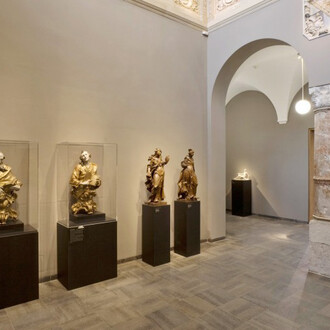
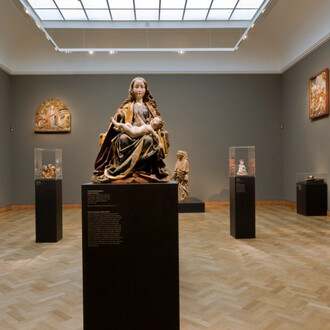
Drawing on important works from the collections of the Städel Museum and the Liebieghaus Skulpturensammlung, the exhibition brings together a total of over 100 outstanding paintings, sculptures and prints from the Middle Ages to the present day. These include significant loans from international collections, among them five outstanding works from the National Gallery in London, as well as others from the Gemäldegalerie in Berlin, the Metropolitan Museum of Art in New York, the Louvre in Paris, the Vatican Museums and the National Gallery of Art in Washington, D.C.
Together, the works in the exhibition at the Städel Museum offer a comprehensive insight into the artistic and emotional range of depictions of Mary Magdalene and illustrate how each era has imbued the figure with its own questions, ideas and longings.
Mary Magdalene fascinates because she vividly reflects the changing perceptions of women, faith and society over the centuries. Her story is therefore also always a story of how she has been viewed.
(Philipp Demandt, Director of the Städel Museum and the Liebieghaus Skulpturensammlung)
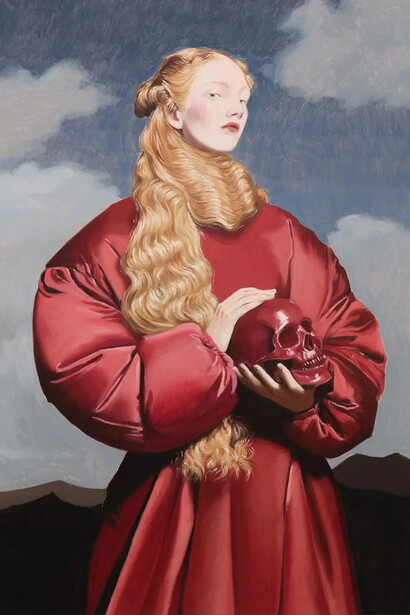
Works by women artists such as Lavinia Fontana, Elisabetta Sirani, Luisa Roldán, Ottilie W. Roederstein, Lotte Laserstein, Kiki Smith, Marlene Dumas and Nieves González are a special focus of the exhibition, alongside major works by eminent male artists including Albrecht Dürer, Pedro de Mena, Guercino, Georges de La Tour, Claude Lorrain, Arnold Böcklin, Max Beckmann and David LaChapelle.
The exhibition opens with a look at contemporary perceptions of Mary Magdalene and traces how her figure has been repeatedly reinterpreted, reshaped and reconstructed from the earliest biblical accounts up to the modern era.

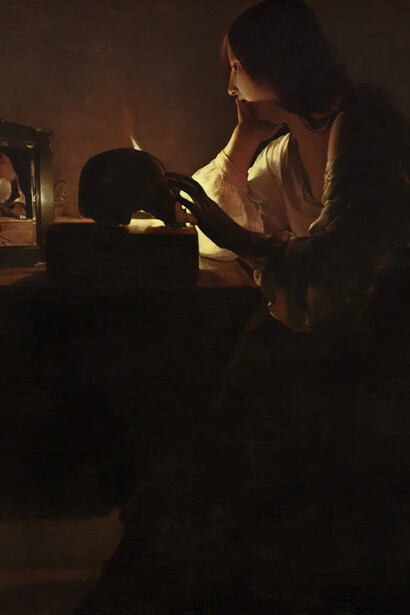
![Marlene Dumas, Naomi Cambell [sic] as Maria Magdalena (detail), 1996. Courtesy of Museum Städel](/attachments/d53427c8770474891cb2ac83b6867fe320ae2fe0/store/fill/410/615/825befe3f920663f4fd7e7acbe9011255e132e6c5ae1a2e2fe935129b152/Marlene-Dumas-Naomi-Cambell-sic-as-Maria-Magdalena-detail-1996-Courtesy-of-Museum-Stadel.jpg)