English
 Español
 Français
 Deutsch
 Italiano
 Português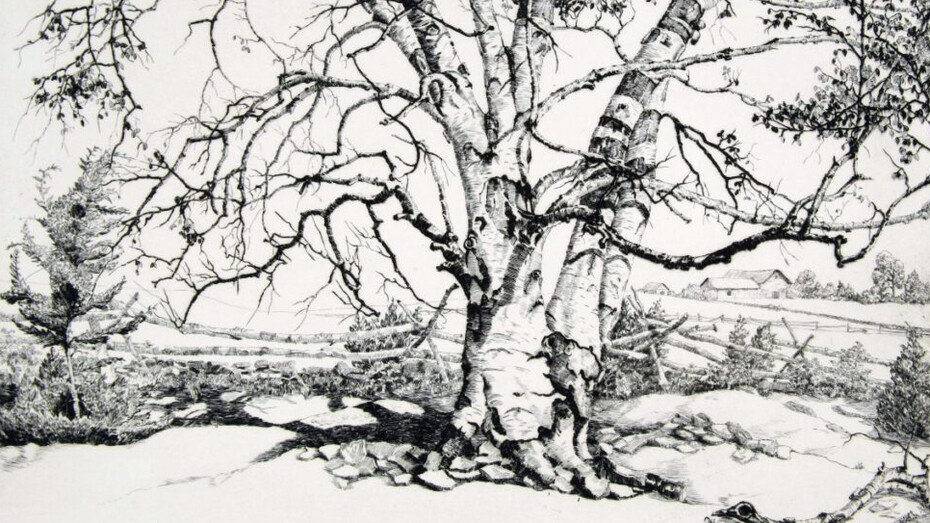
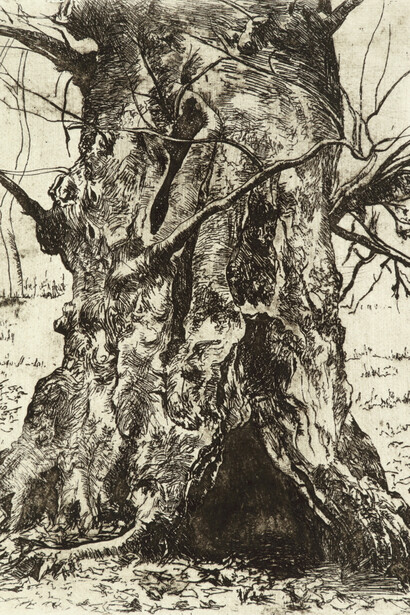
In his popular nineteenth-century drawing manual Lessons on trees (1850), James Duffield Harding describes trees as among the most difficult of artistic subjects. Each root, trunk, branch, twig, and leaf is unique, making the depiction of both the collective appearance and the distinction between these elements an artistic challenge.
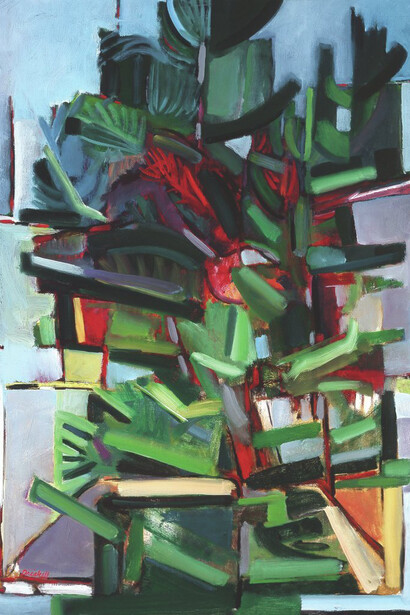
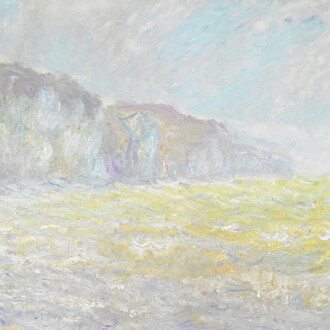
Exploring the artist’s way of seeing the natural world, Paper trees investigates the idea of the tree study in American art, from practice sketches made en plein air (in open air) to finished works in a variety of media. Emphasizing technique and process, the exhibition reflects changing schools of thought in the representation of nature from the late nineteenth to the mid-twentieth century, a period that also saw rising public interest in an emerging American conservationist movement.
In tracing the relationship between these cultural and artistic developments, Paper trees considers the potential of art and design to convey a visual translation of the natural world.

![Isamu Noguchi, Model for US pavilion expo ’70 [unrealized], 1968. Courtesy of High Museum of Art](/attachments/71f96babdf072b34508e50d75e23c82cff1c3a47/store/fill/330/330/ea438c15ffbd9a045abd399d68efb6a3ddd47177aa74dbdcb2f6f0250c38/Isamu-Noguchi-Model-for-US-pavilion-expo-70-unrealized-1968-Courtesy-of-High-Museum-of-Art.jpg)