English
 Español
 Français
 Deutsch
 Italiano
 Português
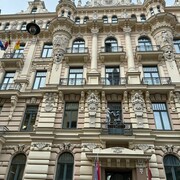
Taking place within the Latvian Centre for Contemporary Art (LCCA) Library and Archive, the project Safety zones and Shifting timelines explores the fragile relationships between art institutions, collective memory, and the shifting political, social, and economic realities of the Baltic region.
The project is rooted in the history of the LCCA archive that begins with the Soros Center for Contemporary Art-Riga, established in 1993 in the aftermath of the Soviet Union’s collapse.
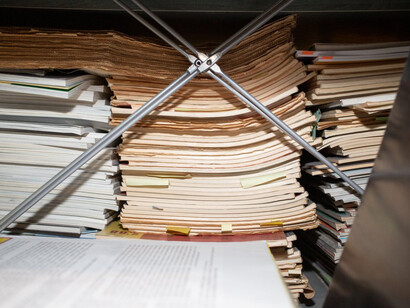
Inherited from the Soros Center for Contemporary Art-Riga (1993-1999), the LCCA archive has grown into a premier resource for Latvian contemporary art from the 1960s to the present. It preserves a vital record of artistic processes that were often poorly supported institutionally and unevenly documented elsewhere.
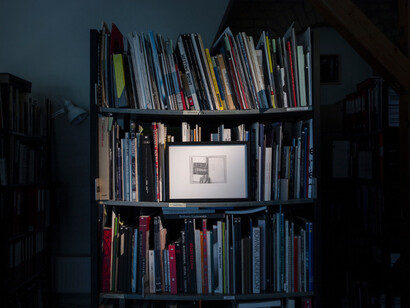
Rather than treating it as static storage, Safety zones and Shifting timelines activate the archive as a contested, living space for reflecting on how art histories are constructed, preserved, and revised. This underlying friction is captured in the title itself: “Safety zones” represents the human and institutional efforts required to protect cultural memory from erasure, while “Shifting timelines” acknowledges the unstable historical conditions in which this work takes place.
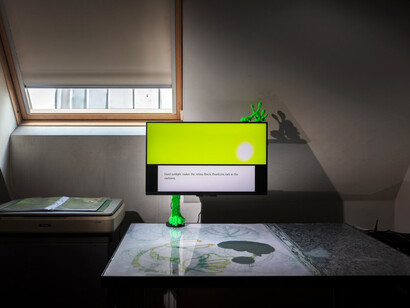
At the center of the project are three international workshops and three site-specific artistic interventions by a younger generation of Latvian artists, each acting as a unique probe into the archive inviting to reconsider what an archive excludes, what it preserves, and how it can be dynamically activated in the present day.