English
 Español
 Français
 Deutsch
 Italiano
 Português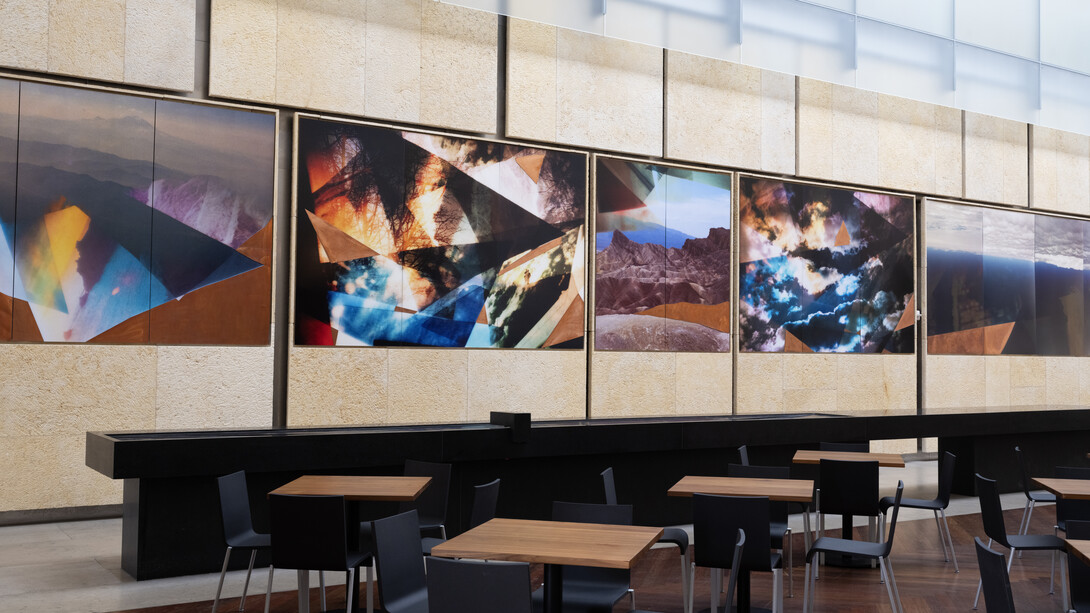
In 2026, the Barnes Foundation presents Sky Hopinka: red metal dust, a new installation of meditative photographic landscapes by multidisciplinary Native American artist Sky Hopinka (Ho-Chunk Nation/Pechanga Band of Luiseño Indians).
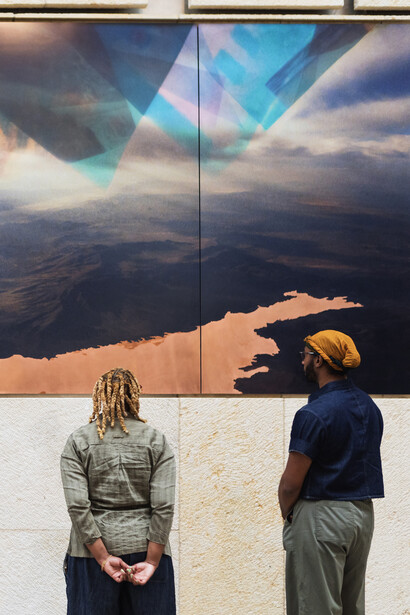
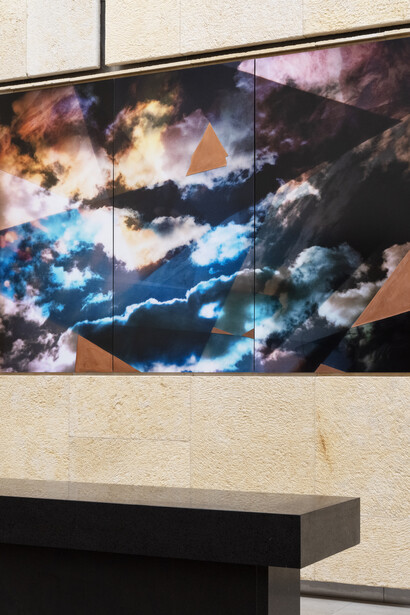
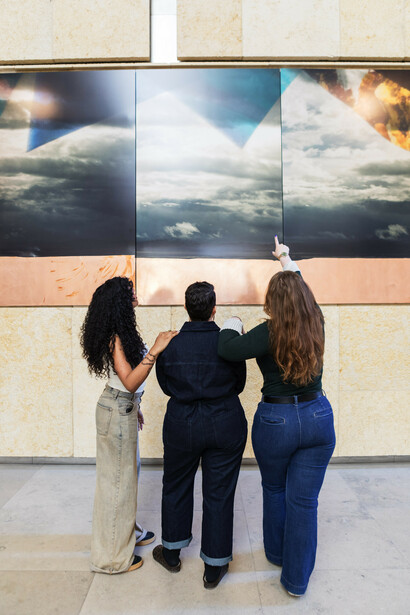
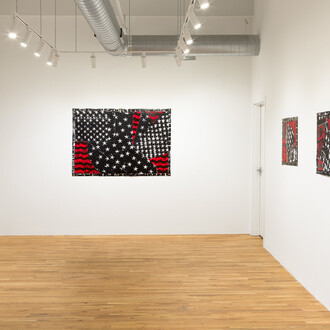
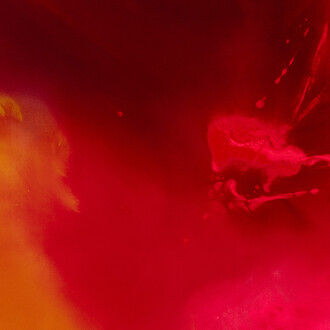
On view from March 21, 2026, through January 18, 2027, in the Walter and Leonore Annenberg Court, Red metal dust is a site-specific installation of 11 panels presented in the court’s wall niches. Referencing the Ho-Chunk tribe’s name for copper, this installation thoughtfully interrogates American histories and Indigenous homelands through the layering of photography and copper sheets. This is only the second occasion an artist has been commissioned to create such an installation for the Annenberg Court, following Pat Steir’s Silent secret waterfalls: the Barnes series in 2019. Red Metal Dust is free and open to the public.
“The Barnes’s 2026 slate of exhibitions and installations are part of Philadelphia's yearlong commemoration of the United States’s 250th anniversary. It promises to be a banner year of citywide programming that honors Philadelphia's role as the birthplace of American democracy,” says Thom Collins, Neubauer Family Executive Director and President of the Barnes. “Our curatorial team has devised thoughtful exhibitions and installations highlighting American artists of diverse and varied perspectives, and we are honored to kick the year off with Sky Hopinka’s Red metal dust, a stunning series of photographic landscapes that inspire deep contemplation about Indigenous homelands, a topic that is particularly poignant as the nation celebrates this milestone anniversary.”
“Red metal dust is a body of work that considers landscape as a site of emanation, shaped as much by what remains as by what has been removed,” says Hopinka. “The title draws from the Ho-Chunk way of describing copper, naming the material not as monument but as remainder, something carried, scattered, and endured. In this context, copper becomes less a surface than a witness, resilient and reflective, shaped through contact rather than display. Across the works, landscape is approached as a layered field of return, where images accumulate, echo, and settle into one another over time.”