English
 Español
 Français
 Deutsch
 Italiano
 Português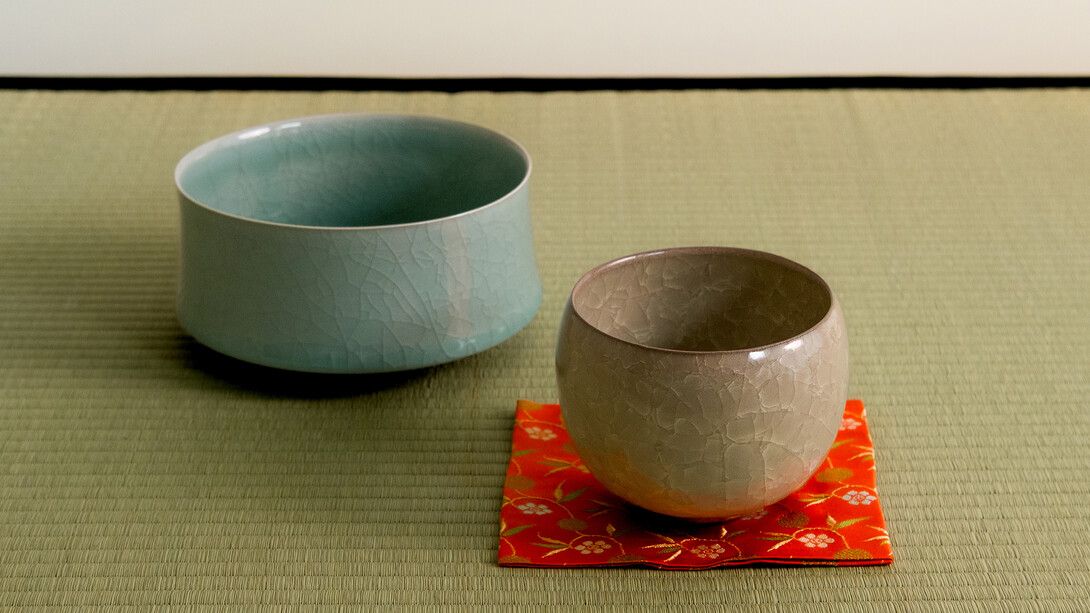
Dai Ichi Arts is pleased to present its inaugural summer exhibition of contemporary Japanese ceramics in London, featuring 50 tea bowls by leading Japanese ceramic artists. The exhibition highlights the remarkable breadth and expressive potential of contemporary ceramic practice from Japan through the tea bowl archetype.
Dai Ichi Arts is pleased to present an exhibition dedicated to the tea bowl (茶碗, Chawan), one of the most revered objects in the history of ceramics and the Japanese tea ceremony. During the Edo period, tea bowls were especially prized by the samurai class, who regarded them not simply as utensils but as vessels of cultural and aesthetic significance.
The culture of tea, or chanoyu (茶の湯), developed over six centuries ago, shaped by elite Samurai life during the Edo Period. At its core is the tea bowl, the point of direct physical and sensory contact. It is held, turned, and contemplated in the hands, its weight, texture, and warmth experienced before the first sip. Each chawan connects maker, user, and environment in a continuous exchange in every aspect of its form: from the Mikomi (見込み, interior) to the Shomen (正面, true face), each aspect showcases a new element to meditate upon. Over time the chawan’s character deepens, encouraging sustained attention. Traditional tea bowls are designed to heighten the senses. In the tea room, subdued lighting and minimal interiors reduce visual distraction, drawing attention to touch, sound, space, and the objects within it. The tea bowl becomes central to the creation of this multisensorial experience and what can be imagined as a totalized work of art.
This summer exhibition places emphasis on the tea bowl through contemporary ceramic expression, encouraging engagement with tea bowls not just as subtle, restrained objects, but also as autonomous and unique works of art, introducing contemporary interpretations, expressions and vitality into the tea context.
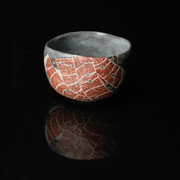
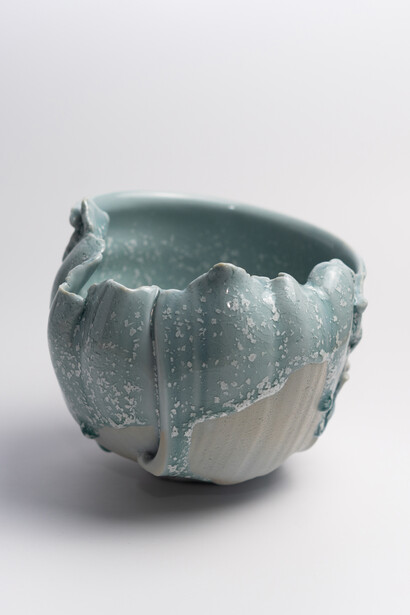
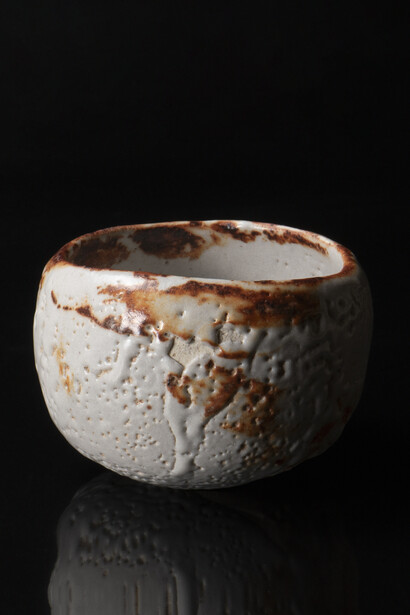
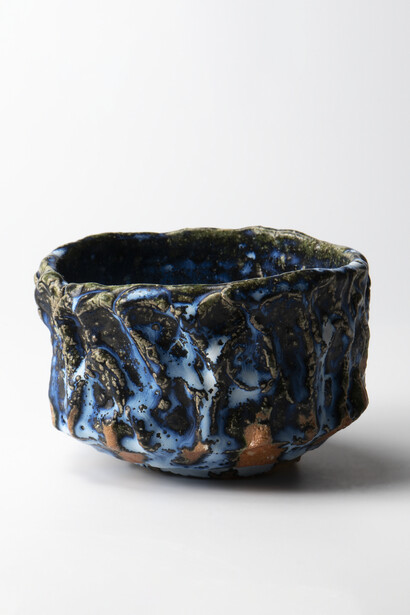
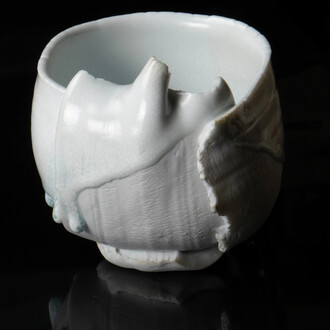
Featuring 50 contemporary tea bowls by celebrated contemporary Japanese ceramic artists, this exhibition showcases the expressive range of this singular form. These works present contemporary interpretations through both traditional and experimental forms, unconventional constructions, and innovative approaches to glaze and surface by gallery artists and more. Expanding the traditional vocabulary of the chawan, the show presents the tea bowl’s status as an objet d’art beyond tradition.