English
 Español
 Français
 Deutsch
 Italiano
 Português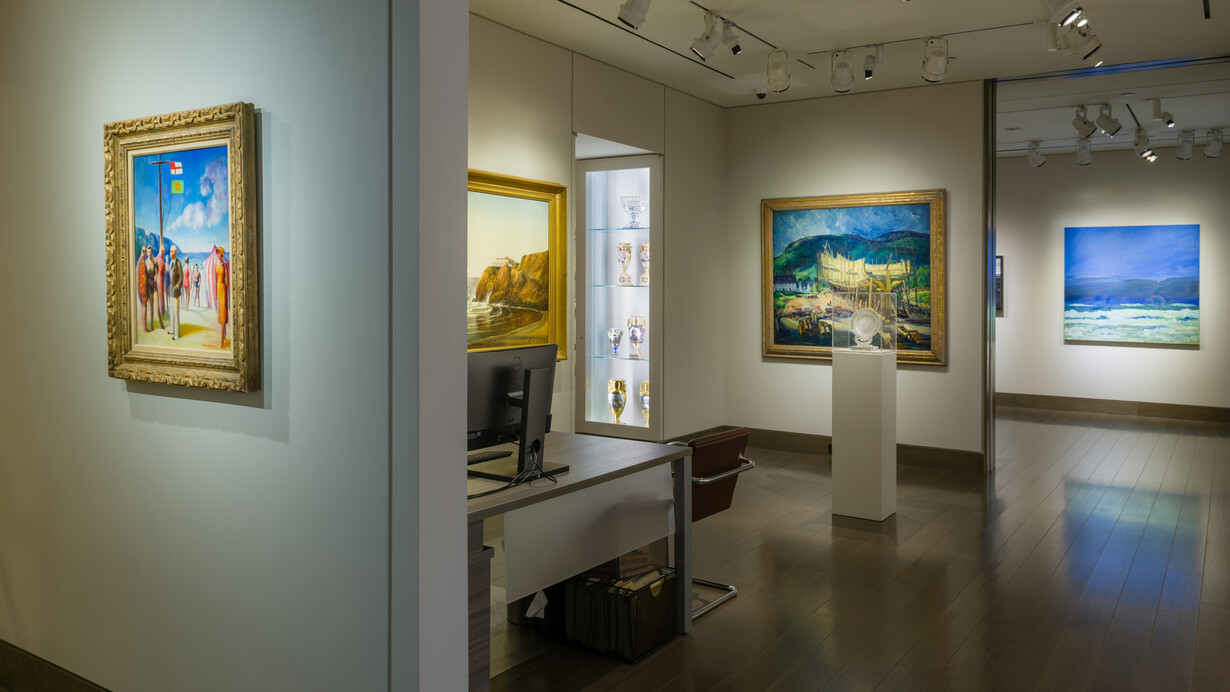
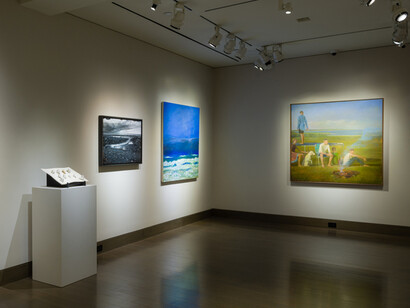
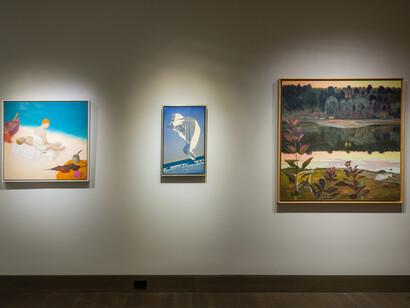
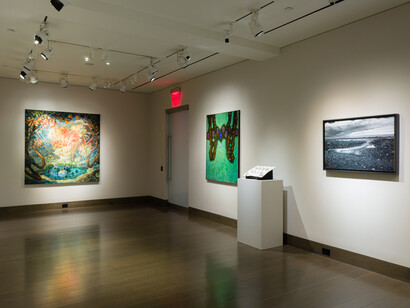
Throughout history and across the world, artists have been drawn to the shoreline as a place of leisure and reflection, of action and exchange. Shorelines: views from the edge brings together works spanning 150 years, a testament to the enduring visual and meditative power of the boundary between land and water. From the coast of France to the tidal pools of Maine,and from the azure waters of Antigua to the bustling harbors of Southern California and New York, this exhibition invites you to consider the myriad ways that we shape our shorelines, and our shorelines shape us. Artists on view include Cornelia Foss, Sanford Robinson Gifford, Leon Kroll, John Marin, Guy Pène du Bois, Tula Telfair, and others.
Across centuries, the shoreline has occupied a unique place in the artistic imagination. It is a threshold where contrasting elements meet and coexist: permanence and change, solitude and community, nature and human intervention. Whether depicted as a site of contemplation, labor, travel, or recreation, the meeting point between land and water has offered artists an ever-changing subject through which to explore broader questions of place, memory, and perception.
The works gathered in this exhibition reveal the remarkable diversity of visual responses inspired by coastal environments. Atmospheric seascapes, intimate studies of tidal landscapes, and views of working ports highlight the many ways artists have interpreted the rhythms of shorelines and the lives connected to them. Together, these works demonstrate how geographic edges can become spaces of encounter, where natural forces and human activity continuously shape one another.
At a time when coastlines are increasingly affected by environmental, economic, and social transformations, Shorelines: views from the edge also encourages renewed attention to these fragile and dynamic environments. By bringing together historical and contemporary perspectives, the exhibition invites visitors to reflect on the enduring relationship between people and the waters that border their worlds, and on the ways these landscapes continue to inspire imagination, movement, and exchange.