English
 Español
 Français
 Deutsch
 Italiano
 Português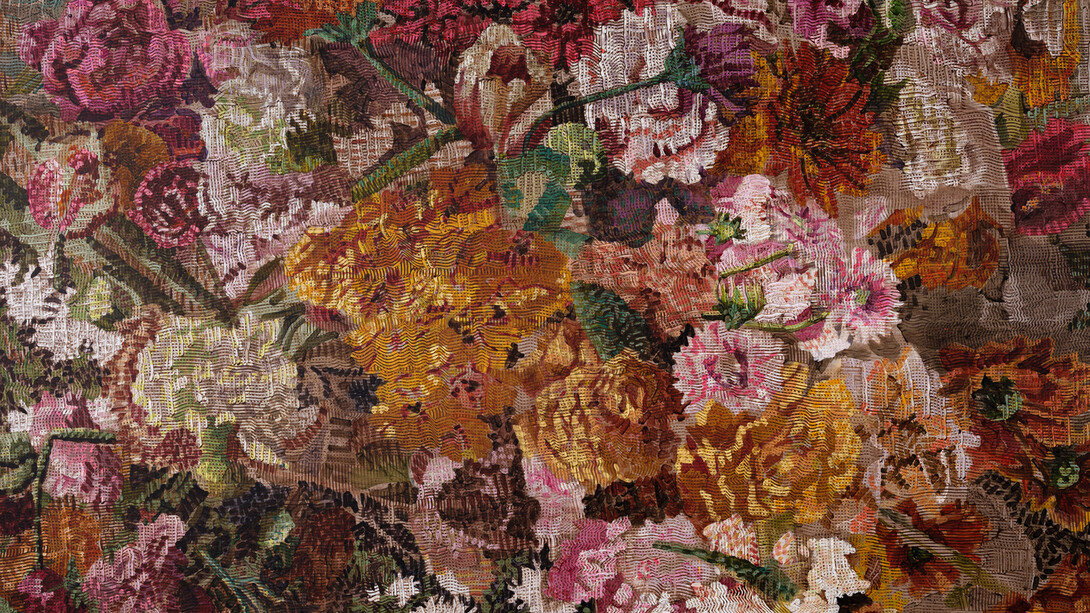
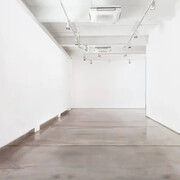
Sullivan+Strumpf is pleased to present a major new exhibition by Gregory Hodge, marking the artist’s most ambitious solo presentation with the gallery in recent years. Spanning both our Melbourne gallery and an off-site location, the exhibition brings together a significant new body of work in which Hodge further expands the complexity and material sophistication of his painting practice.
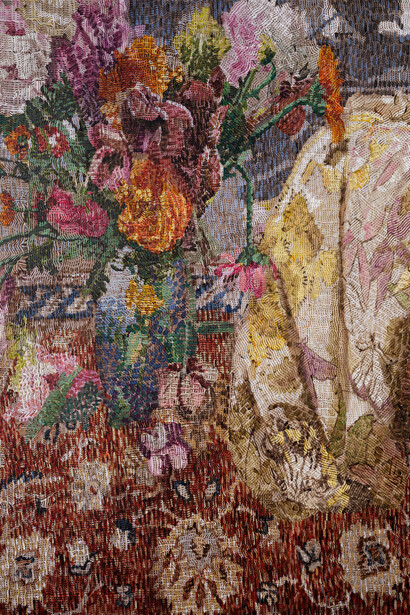
Based in Paris for the past six years, Hodge has continued to refine a distinctive visual language that explores the relationship between the image surface and perception. Drawing from personal source material alongside motifs of landscapes, interiors, flowers and architecture, the artist constructs densely layered compositions that hover between recognisable imagery and abstraction.
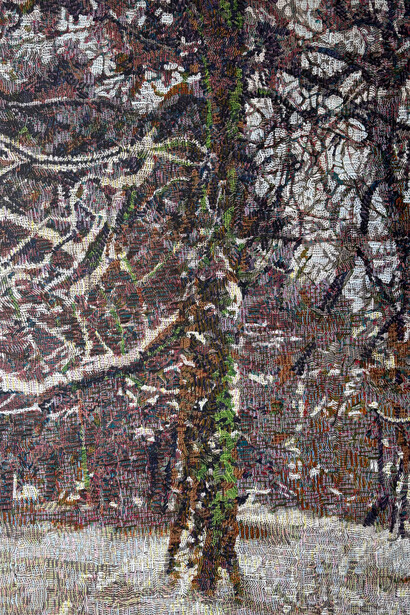
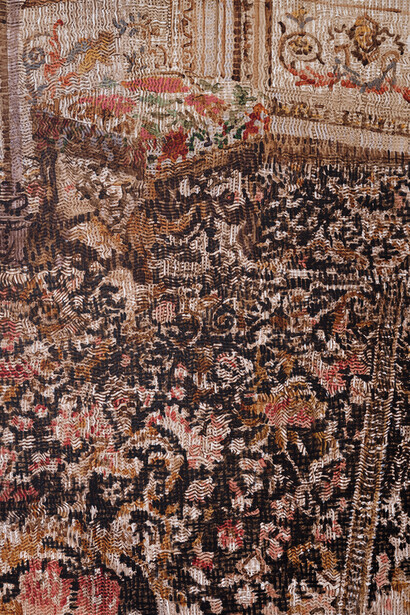
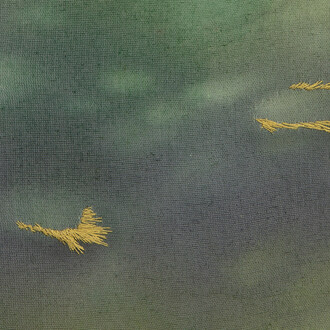
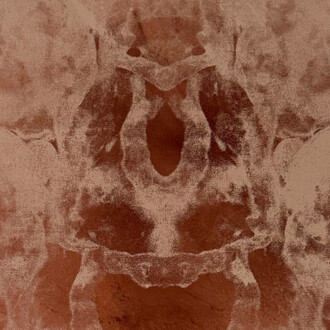
Central to this new body of work is Hodge's ongoing investigation into how images can be transformed through the act of painting. Familiar subjects are exposed to repeated processes of layering and excavation, creating surfaces that resist immediate legibility. Trees dissolve into decorative pattern, interiors flatten into fields of colour and texture, and distinctions between subject and setting begin to blur.
Hodge's recent works reveal the profound influence of his time in France. Inspired by the historic tapestry collections of the Manufacture des Gobelins, the Musée d'Orsay and broader traditions of French decorative arts, he has developed a suite of specially adapted tools that allow him to drag and scrape translucent layers of acrylic paint across the canvas. The resulting surfaces suggest woven textiles, simultaneously revealing and concealing vibrant colour beneath illusionistic patterns. Colour appears both embedded within the painting and hovering above it, generating moments of perceptual instability and optical shift.
This evolution has also transformed Hodge's approach to composition. Where earlier works often relied upon sharply defined painterly territories and masked edges, these new paintings witness boundaries soften and dissolve. Colour and form move fluidly across the surface, allowing one motif to merge into another. The result is an equalising of visual hierarchies in which all elements are afforded the same weight and attention.
While Hodge's practice has long engaged with the tension between representation and abstraction, these paintings signal a renewed engagement with the world around him. Images drawn from daily life, intimate domestic moments, loved ones and remembered landscapes become increasingly visible within the work, even as they remain subject to transformation through material process.
Bringing together landscapes inspired by both France and Australia – including scenes of the Bois de Vincennes outside Paris and the coastline of Depot Beach in New South Wales – the exhibition reflects Hodge's continued interest in the dialogue between places and histories. Through a practice grounded equally in experimentation and observation, Hodge creates paintings that are deeply attentive to the experience of looking.