English
 Español
 Français
 Deutsch
 Italiano
 Português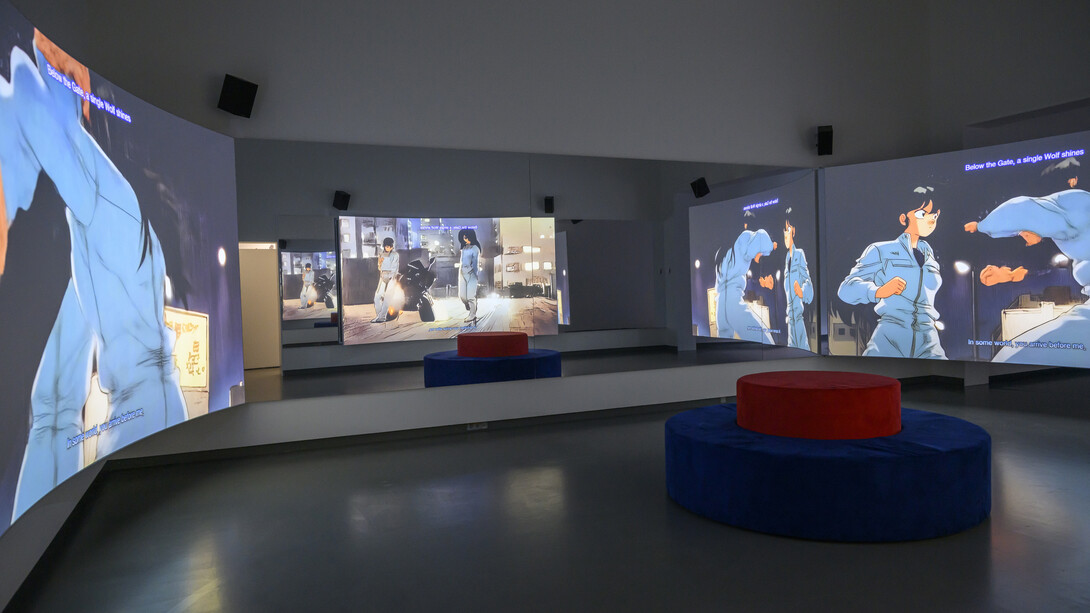
With Dommelplein, the Van Abbemuseum opens a new public ground floor as a visible starting point for a new direction, signalling a shift in institutional tempo: more open, more collaborative, and more connected to the city of Eindhoven.
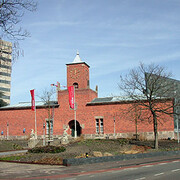
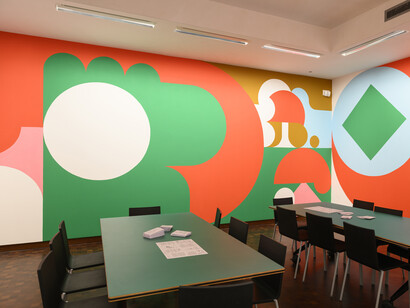
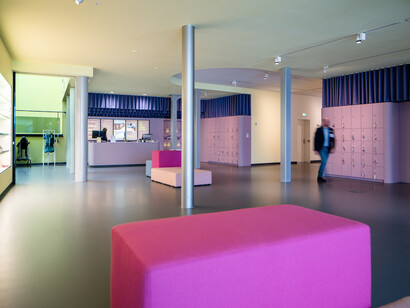
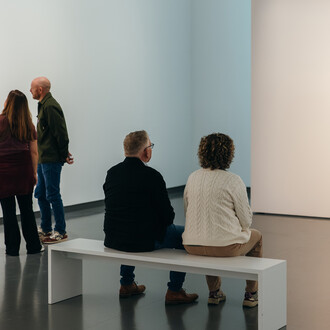
Located along the Dommel River, which runs past the museum, Dommelplein is designed as an active public environment. It brings art, visitors and the city of Eindhoven into closer contact. The space offers areas for workshops, talks, meditation, children’s activities, multi-faith use, and informal gatherings, alongside solo projects, installations, and long-term artistic projects. A changing daily programme invites visitors to participate, learn, share, return, and spend time in the museum.
At the Van Abbemuseum, we are committed to activating artistic intelligences to explore and prototype how people might live, (un)learn, and move together. As a municipally funded museum within Eindhoven’s social welfare framework, the institution carries a public responsibility: to ensure art remains a living, socially engaged force capable of addressing technological, ecological, and political urgencies. Dommelplein is both an invitation and a direction for the museum. It is a space where new directions in artistic production, urban commons, and new forms of collaboration can unfold together. By opening the ground floor, we are signalling how the museum works in the years ahead, more deeply connected to the rhythms of the Dommel River, the city and its communities, from children to designers, from engineers to stargazers.
(Director Defne Ayas)
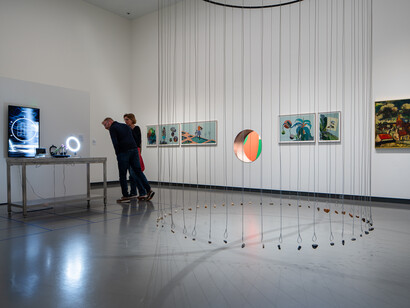
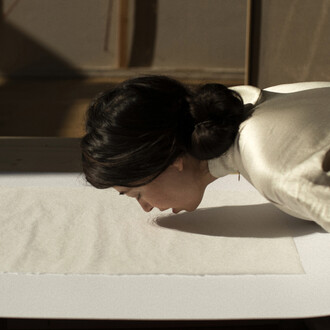
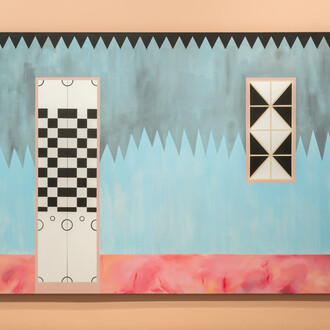
Dommelplein intends to strengthen the museum’s ties to Eindhoven and its role as a shared space for the city with solo presentations from Sarkis, Ad Minoliti, john gerrard, Geo—Design Design Academy Eindhoven, and Ayoung Kim as well as partnerships with local collectives and organisations, including ADEZIV, Archipel, Studio Woensel-West, Tante Netty.
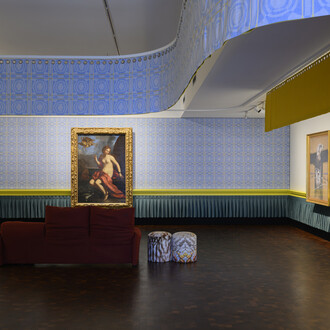
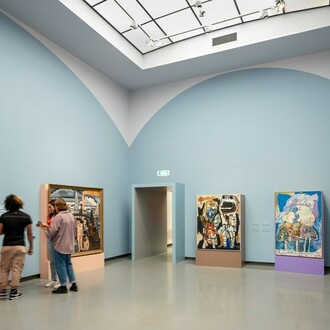
A new chapter on 6 June: Dommelplein and Collection as cosmos Dommelplein will be inaugurated on 6 June, alongside the opening of the new collection display Collection as Cosmos, which focuses on the constellations we can create with artworks across time rather than measuring time linearly. Together, the two projects invite audiences to actively engage with art rather than passively observe it. Collection as cosmos foregrounds time as something felt and experienced, and as a framework connecting human histories with the rhythms of the universe. The exhibition brings together 250 works in the museum’s second multi- sensory collection presentation.