English
 Español
 Français
 Deutsch
 Italiano
 Português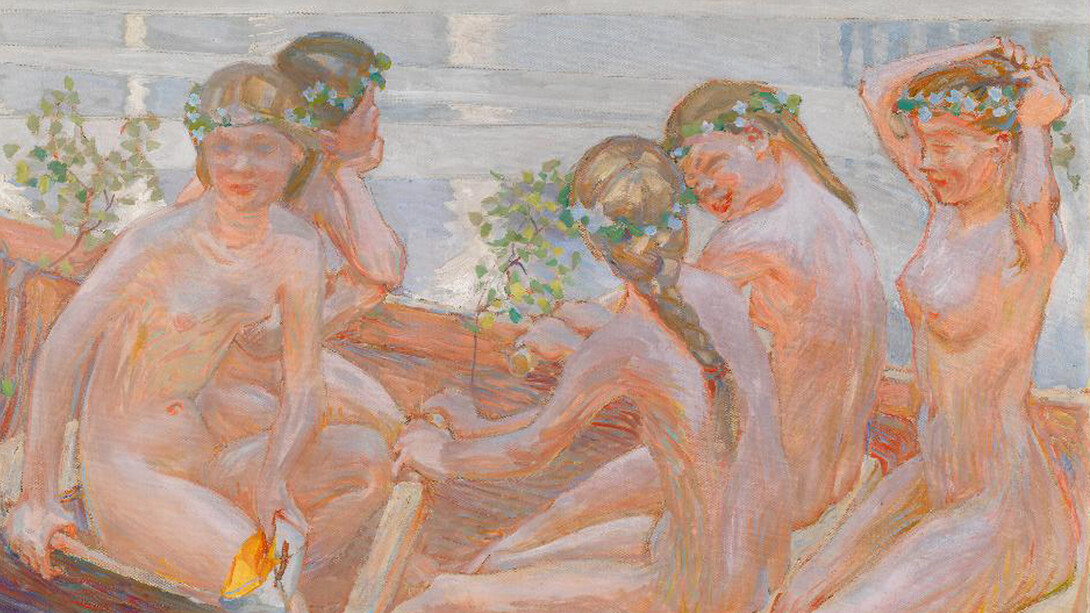
The Sunshine and Joy of Life exhibition offers a glimpse of an era when Finnish art took bold steps towards European modernism and colours were liberated to express life, light and emotions.
The 1910s was an era of new expression and the liberation of colour in Finnish art. The modernist trends emanating from world metropolises, the pulsating rhythm of urban life as well as the emphasis on the individual’s inner experience shaped an entire artist generation’s conceptions of the possibilities offered by art.
The newest developments in international art changed the way in which the surrounding reality was observed and portrayed. The traditional, subdued use of colour started to fade out as the art critics and artists of the new generation began to demand bolder expression. The architects Sigurd Frosterus and Gustaf Strengell highlighted the need to reform the art of painting based on the modern colour theory. Their views paved the way for change in which colour no longer served just form but also operated as an independent vehicle for expression.
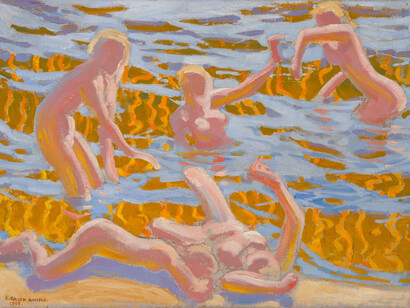
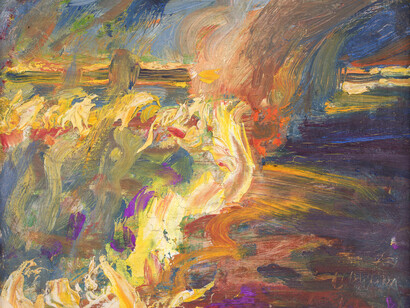
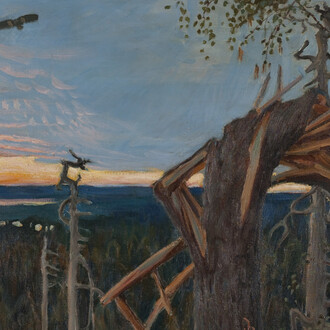
Akseli Gallen-Kallela found a more liberated style of painting by the familiar landscapes of Lake Keitele. The final colour transition took place after the 1908 Salon d’Automne in Paris, and in the 1910s, Finnish colourist art engaged in dialogue with European modernism.
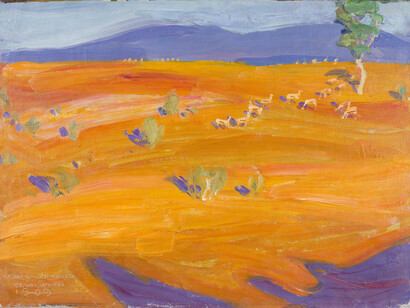
Gallen-Kallela wrote to his friend Johannes Öhquist (1861–1949) in Paris in spring 1909 that his inner self had bloomed and found expression in forms and especially in colours. The results of the intense period of work were evident in his vibrant artworks, which blended realism with contemporary colourist painting. This development found its peak in the British East Africa in 1909–1910. The unfamiliar environment and radiant colours permanently changed Gallen-Kallela’s expression.
The exhibition also includes artworks from Akseli Gallen-Kallela’s contemporaries: Ellen Thesleff (1869–1954), Pekka Halonen (1865–1933), Tyko Sallinen (1879–1955), Magnus Enckell (1870–1925), Jalmari Ruokokoski (1886–1936), Ester Helenius (1875–1955) and Yrjö Ollila (1887–1932). The artworks take a step towards expressive spiritual landscapes in which colour, rhythm and emotion take centre stage.