English
 Español
 Français
 Deutsch
 Italiano
 Português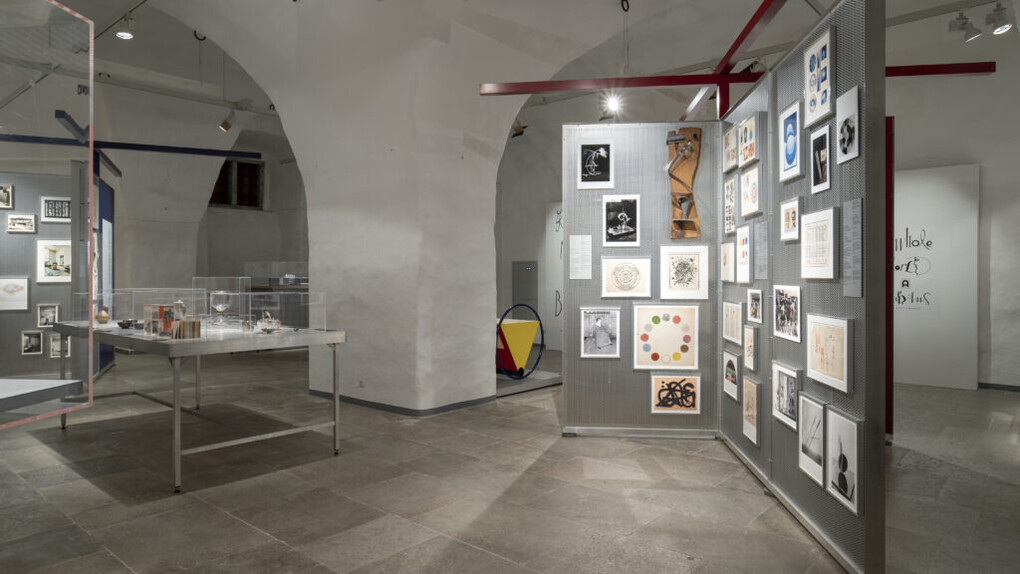
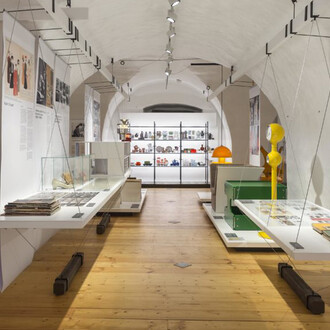
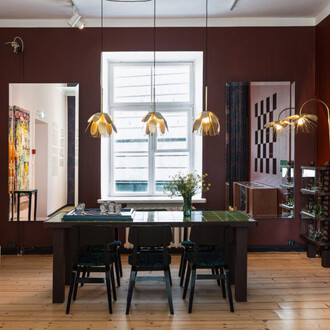
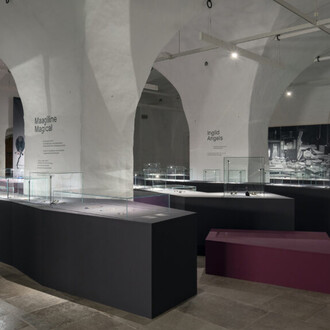
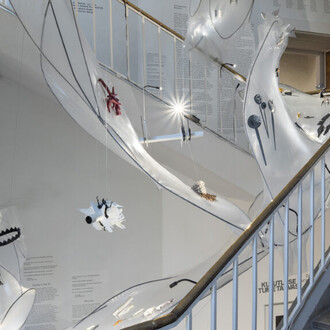
The overview exhibition of the legendary and most influential school of art, architecture, and design, The whole world a Bauhaus, is being presented to Estonian audiences for the first time.
The exhibition The whole world a Bauhaus offers a diverse, engaging, and surprising insight into the work and life of the Bauhaus school through eight thematic chapters. It focuses on one of the most important art schools of the 20th century, founded in 1919 in Weimar. In 1926, the school moved to Dessau, and when the National Socialists made it impossible to continue operating there, it relocated to Berlin in 1932, where it was finally closed in 1933.
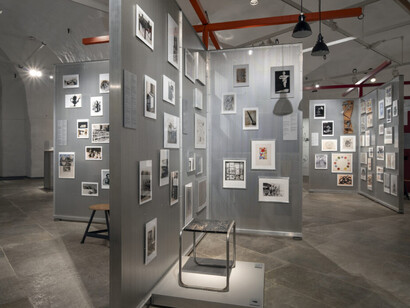
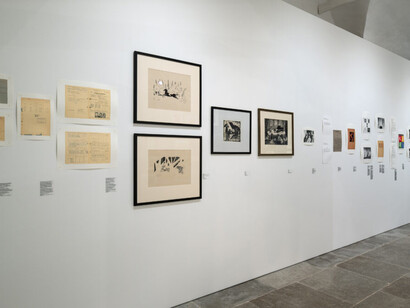
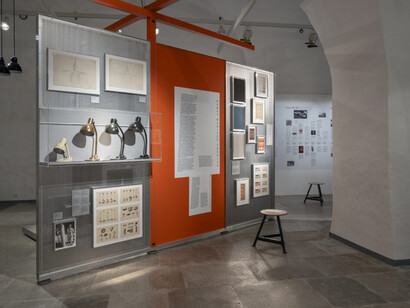
Through photographs, original drawings, models, documents, films, and objects, the exhibition invites visitors to explore the broad scope and diversity of Bauhaus modernist design theory and practice. This is reflected in architecture, everyday objects, painting, and theater, as well as in its teaching methods and formats. The goal of Bauhaus was to create a better everyday environment and to promote new ways of living.
During its 14 years of operation, Bauhaus was an institution that continuously redefined and reinvented itself. Its three directors—architects Walter Gropius, Hannes Meyer, and Ludwig Mies van der Rohe—as well as its masters and students, constantly discussed and debated the school’s direction.
Both within and outside the school, the goals and significance of Bauhaus were always subjects of discussion and debate, and this continues to this day.