English
 Español
 Français
 Deutsch
 Italiano
 Português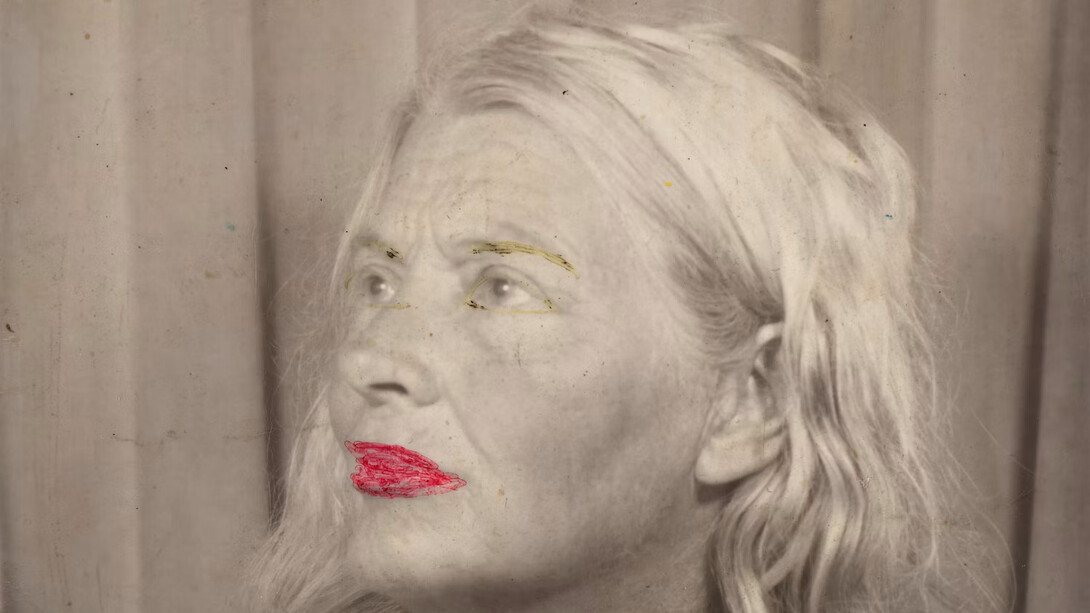
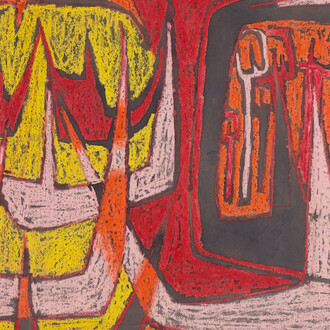
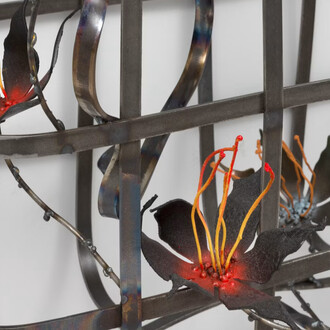
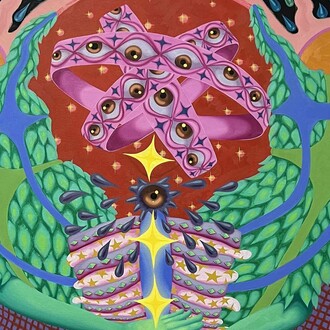
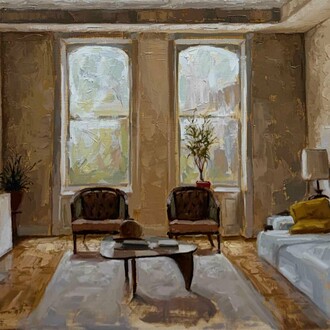
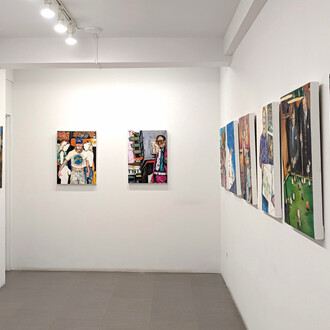
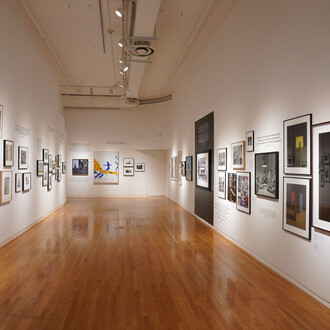
This exhibition tells stories of self-invention in photography, drawing, and sculpture, most of them from artists working beyond the gallery and museum system that typically validates creative work.
The artworks gathered reflect the egalitarian, broad-minded vision of Richard and Ellen Sandor, who in 1978 moved into a spacious, historic apartment in Chicago with—to quote from the book that accompanies this exhibition—“two kids in tow, a photograph by Walker Evans, and a sculpture by Rodin. And not a stick of furniture.” Prodigious art collectors alongside their day jobs as economist (Richard) and artist (Ellen), the Sandors progressively filled their walls with a remarkable constellation of works: historical and contemporary, celebrated and overlooked, exalted and humble. They prized innovation and, above all, individuality—makers with a strong sense of self.
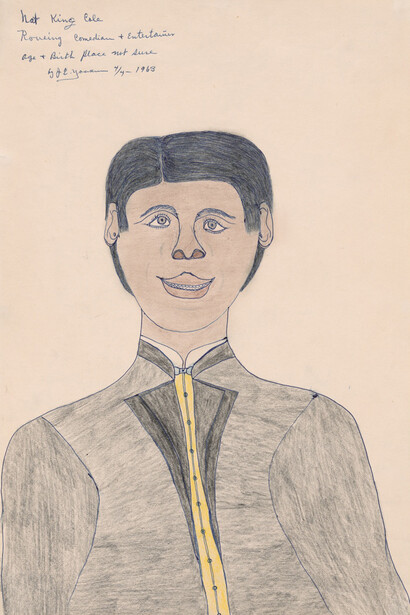
“Outsider” artists —a loose and controversial category—quickly came to the Sandors’ attention through Chicago gallerists and James Zanzi, a professor at the School of the Art Institute with whom Ellen had studied. Examples by William Edmondson, Lee Godie, Martín Ramírez, and others included in the show helped to spur lively discussions about innovation and artistic recognition that the Sandors held in a room they dubbed the “Outsiders’ Café.”
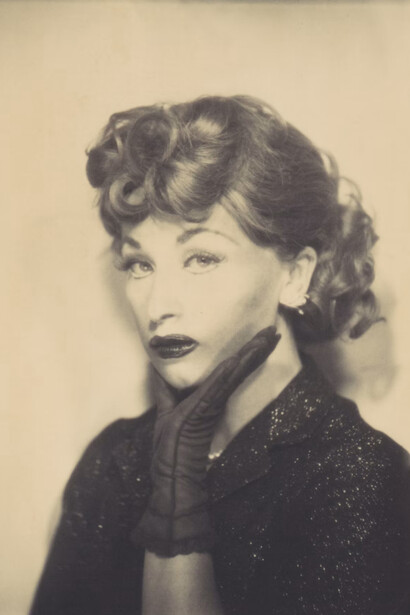
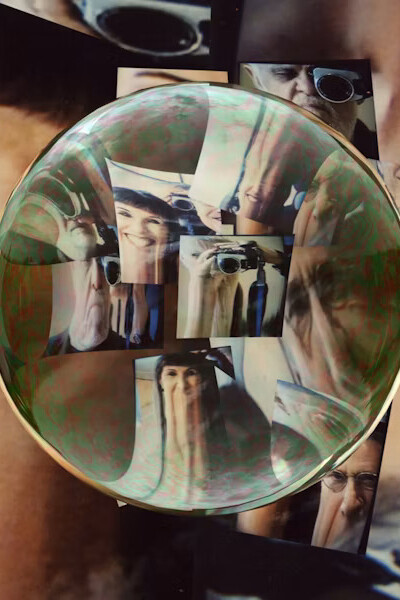
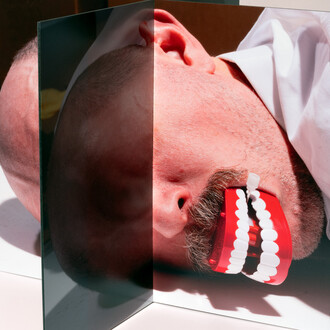
The Sandors also closely followed the careers of Cindy Sherman and Kara Walker, convinced of their critical talent and committed to supporting art by women and people of color. Sherman and Walker, along with filmmaker John Waters and French installation artist Annette Messager, add perspectives from the center of the established art world, but like many of the “outsider” artists the Sandors collected, they saw value in what Messager called “worthless art,” using television, campy provocation, glossy magazines, or flea-market mirrors as references or source material.
Whether operating “inside” or “outside” the art-world system, all the makers in Self, made consciously reflected on selfhood and asked what permits anyone to believe that they are free, unique, and creative. Through the proxy of their works, the artists themselves are gathered here in a conversation that honors the Sandors’ inclusive and expansive vision and the acts of self-invention that all creativity demands.