English
 Español
 Français
 Deutsch
 Italiano
 Português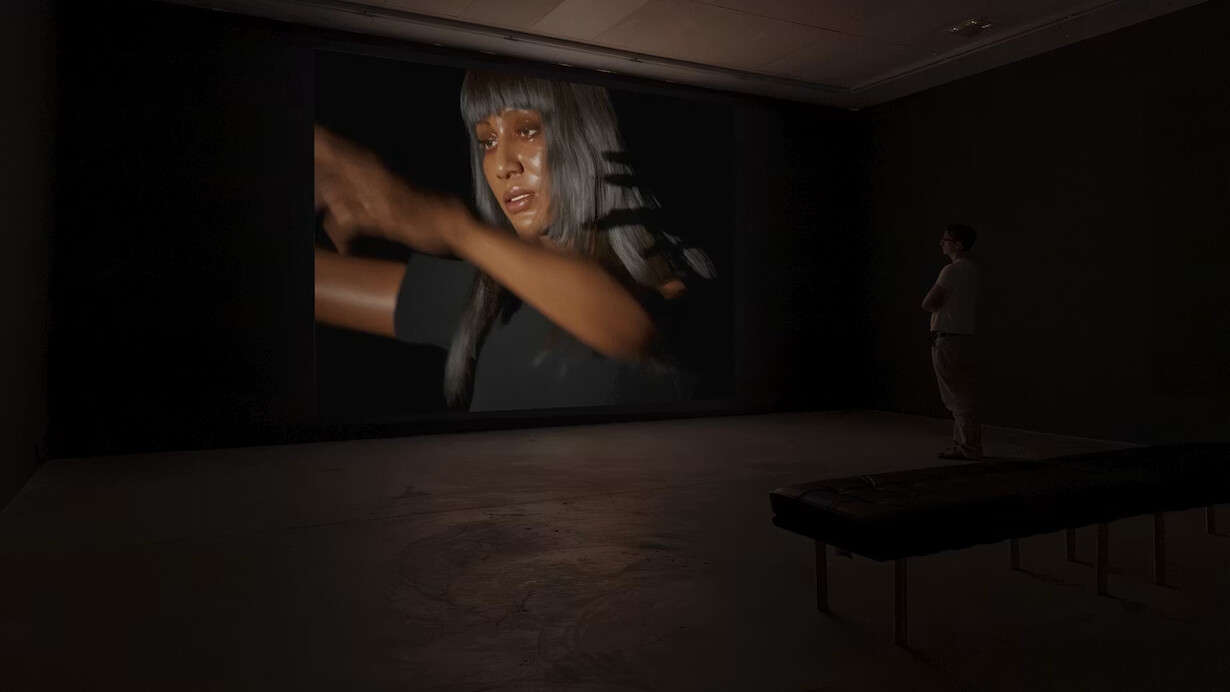
As a mineral compound, salt (NaCl) precedes human history and has long been implicated in the structures of trade and labour. It has shaped, scarred and sustained life across this planet in ways that continue to unfold. Salt preserves, extending the life of organic matter beyond its natural limit, while also corroding, gradually compromising whatever it encounters over time. Salt also plays a crucial role in the human body, present in blood, tears and sweat. Any account of salt should therefore contend with its simultaneous presence in geological formation, economic structure and bodily process, none of which can be understood in isolation from the others.
It is within this refusal – of the partition between ecological, corporeal, and technological analysis – that Priyageetha Dia’s new solo exhibition locates itself. As an artist working between Singapore and The Netherlands, Priyageetha approaches salt not simply as a material, but as a connective agent through which the entanglements of colonial history, diasporic experience and extractivist regimes across Southeast Asia and the broader Asia-Pacific region can be traced.
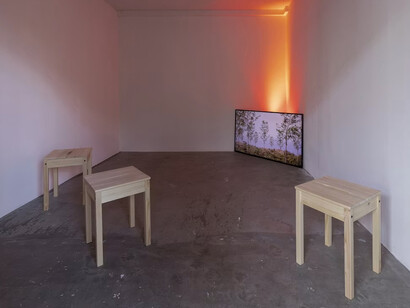
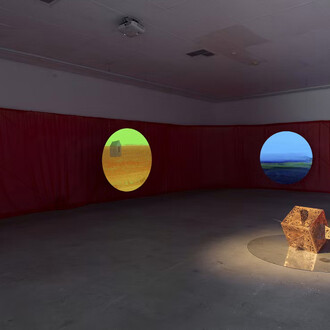
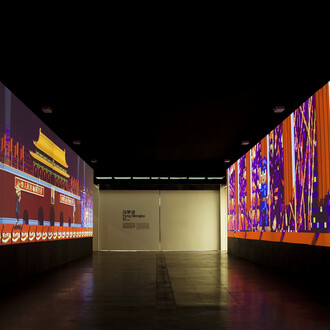
salt binds three key moving image works along a crystalline axis, each engaging salt through one of its bodily registers. The sea is a blue memory (2022) positions the ocean as a repository of collective memory. Incorporating Southeast Asian mythologies of sea spirits and deities, the video animation summons submerged histories and spiritual reverence, presenting the ocean as both a sentient archive and liminal terrain where the human and non-human meet.
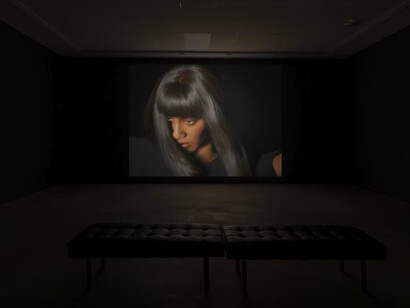
The animation work Lament h.e.a.t. (2023) treats grief as a form of historical knowledge that operates outside the conventions of the colonial archive. In this work, a technological entity called H.E.A.T (Hevea Errichal Automation Tech) adapts and performs oppari – a Tamil lamentation practice – as an act of bereavement and resistance. The work situates mourning as a form of refusal directed at the extractivist regimes of colonial rubber plantations in Malaya, while speculating on technology's capacity to hold empathy and grief.
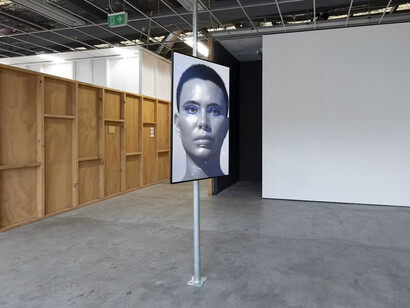
Night shift (2025) draws on the sonic and corporeal languages of rave culture. Taking up sweat as the residue of the technologised body, the work stages a metahuman figure performing relentlessly under strobe and bass. Through the recursive interplay of sound, light, and movement, the work explores exhaustion, repetition, and the unstable boundaries between labour and release. Drawing on Moten and Harney’s concept of the ‘undercommons’, a solitary dancer moves between alienation and fugitive sociality, positioning the rave as both an afterlife of labour and a contested site of collective emergence.