English
 Español
 Français
 Deutsch
 Italiano
 Português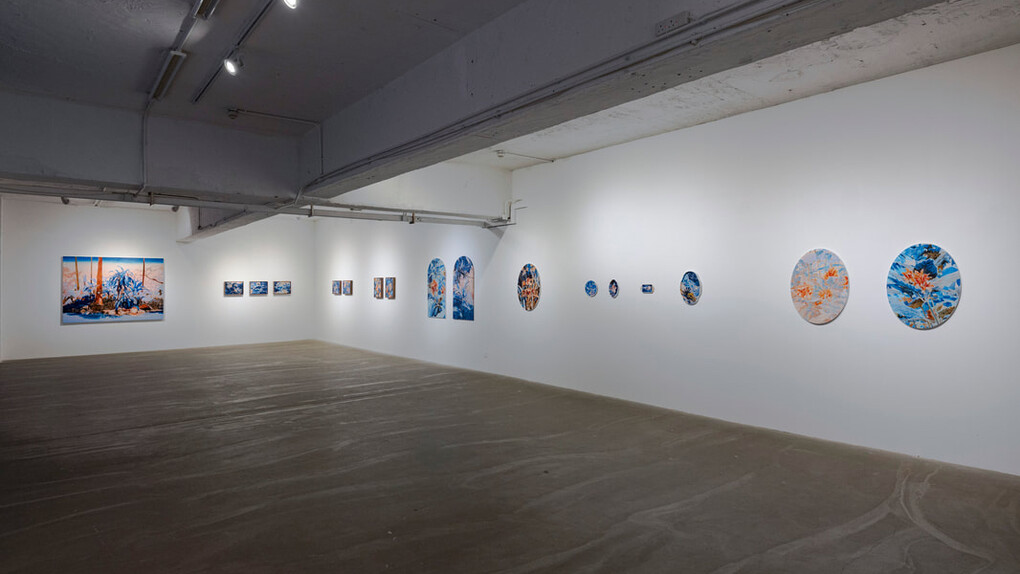
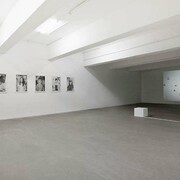
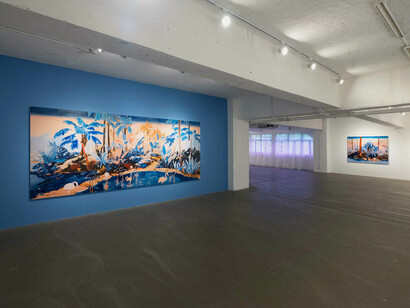
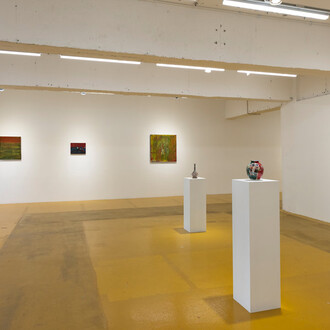
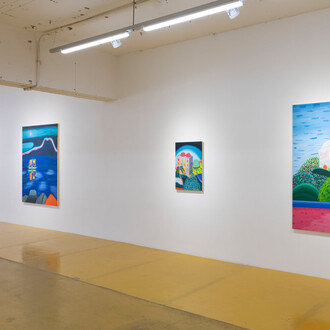
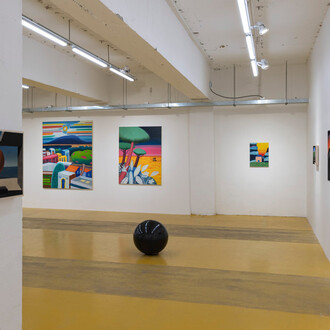
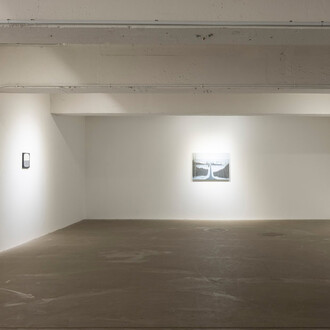
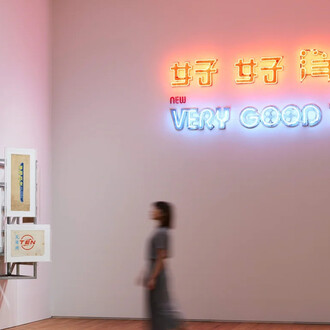
Gallery Exit presents Tobe Kan's solo exhibition Good afternoon, good evening, good night, featuring a series of new and recent works by the artist.
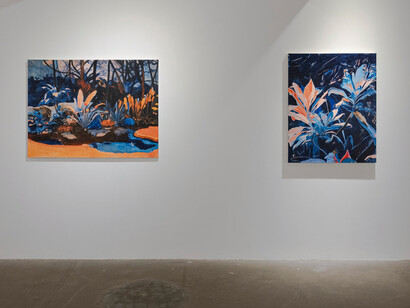
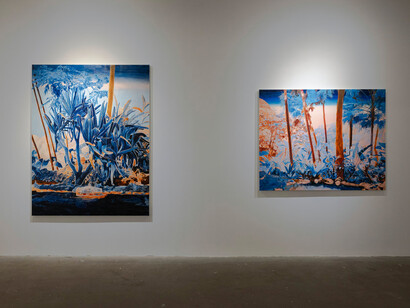
The exhibition title borrows a recurring line from the 1998 film ‘The Truman Show’, extending from the film's artificial space to explore how the everyday is repeated, how our sense of time becomes disrupted, and those structures and frameworks—both physical and psychological—that quietly regulate our imagination of home, nature, and identity. Through paintings and ready-made objects, the exhibition presents two parallel creative threads: one stemming from the artist's observations of plants in Europe, Hong Kong, and elsewhere; the other comprising more intimate domestic still lifes closer to daily life.
Kan's early works largely focused on detailed close-up depictions of common foliage plants and shrubs in Hong Kong—the city where she grew up and lives—whilst recent works show a marked shift. She continues her interest in artificial environments such as greenhouses, botanical gardens, and carefully arranged interior spaces, bringing experiences of movement and distance into the picture plane. Beginning with plants photographed in daylight, the artist chooses to repaint them in the tones of sunrise, dusk, or night, so that the images no longer pursue documentary accuracy but rather resemble memory scenes imbued with temporal ambiguity and emotional resonance.
Some works in this exhibition are painted on arched and oval canvases, or upon ready-made objects such as antiques and second-hand home furnishings collected during travels in Europe. These forms are not merely supports but function as "frames" that pre-exist the images—carrying architectural and domestic suggestions—and in turn influence how we perceive the scenes within them. In these works, plants serve as both subject and metaphor: they take root yet can also be transplanted; adjusting themselves to unfamiliar conditions, existing silently and persistently.
The exhibition also presents collaborative works from the ‘MIC’ series, developed with artist collective Cpy. Cpy's practice examines how contemporary images are continually translated and transformed across language, algorithms, collective visual culture, and viewing habits. When images and artworks can be infinitely reproduced and overproduced, the ‘scarcity of attention’ becomes a new reality, prompting us to reconsider the distance between image representation and the ‘real’.
Through this collaborative work, Kan also responds to the current experience of image saturation and global circulation—in her daily life across Europe, she repeatedly encounters the "Made in China" label. This body of work takes product photographs from Chinese e-commerce platforms as source material, regenerates still-life compositions through artificial intelligence, has them painted by anonymous Chinese painters, and mounts them in classical-style frames that are likewise manufactured in China. The works appropriate the visual language of Western art history whilst simultaneously pointing to the global networks of production and consumption behind them, thereby unsettling our established assumptions about "origin" and "authenticity", and suggesting that aesthetic traditions are in fact a continuously shifting system shaped by circulation, labour, and desire.