English
 Español
 Français
 Deutsch
 Italiano
 Português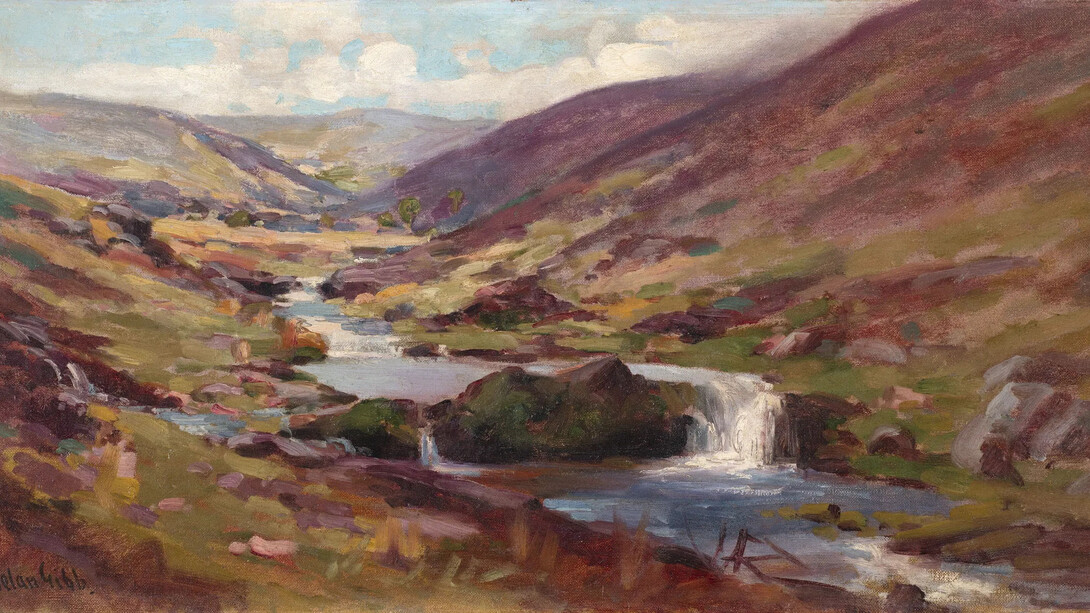
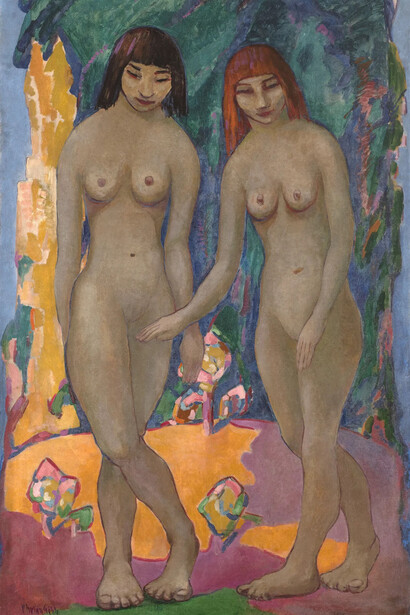
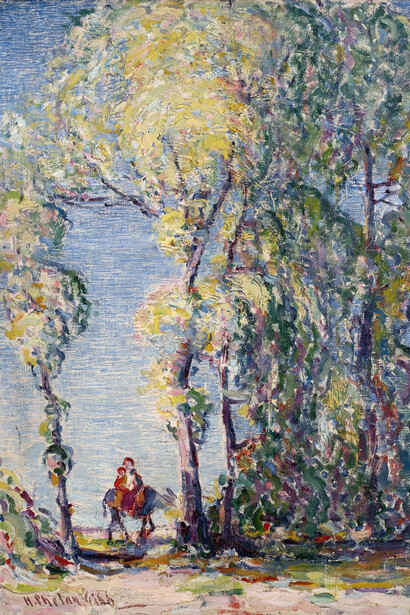
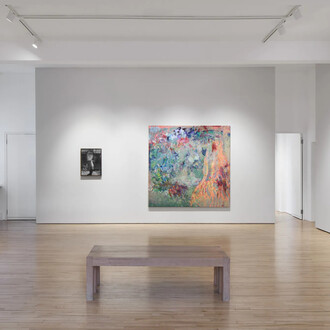
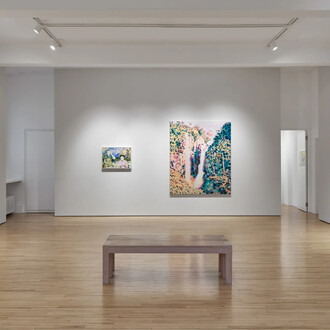
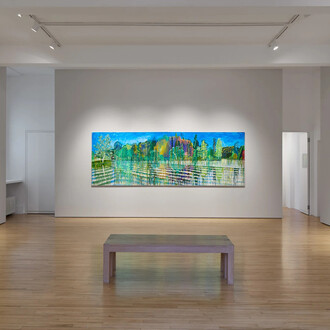
Frestonian Gallery is delighted to present Harry Phelan Gibb - A british modernist rediscovered: the Paris years, the first major exhibition in decades devoted to British artist Harry Phelan Gibb (1870-1948).
Co-curated by Simon Grant, curator and writer, the exhibition brings together more than 20 works that trace Gibb's remarkable artistic journey through Paris in the early twentieth century, where he became immersed in the heart of the European avant-garde. The exhibition seeks to restore Harry Phelan Gibb to his rightful place within the history of British modernism. The exhibition is accompanied by an extensive catalogue including new essays by Simon Grant and John Campbell and includes generous loans from Towner Eastbourne and Salford Museum & Art Gallery.
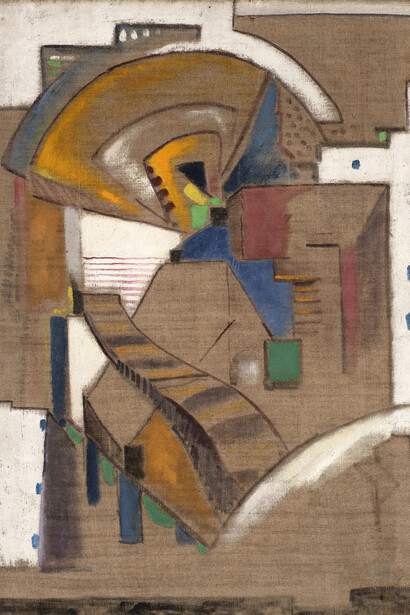
Working across styles and techniques with striking independence, Gibb developed a fearless and experimental artistic practice that defied easy categorisation. This exhibition reintroduces him as a pioneering British modernist whose achievements and international standing have long been overlooked. It explores Gibb's formative years in Paris and the network of artists, writers, and collectors who helped shape his career. Among those within his circle were Henri Matisse, Juan Gris, Emily Carr and Gertrude Stein. As explored in Simon Grant's essay, it was through these relationships and the rapidly evolving artistic developments of the period, that Gibb forged his own distinctive modernist vision.
Gibb's growing reputation in Paris saw his work exhibited repeatedly at the Salon d'Automne, where he was elected a Sociétaire in 1909. His international recognition perhaps reaching its apogee in 1913, via a solo exhibition at the legendary Bernheim-Jeune Gallery - with a reported 1300 people attending the opening - and a few months later when his paintings were shown at the Armory show: international exhibition of modern art in New York. Gibb was one of very few British artists to be included in this landmark exhibition, alongside other pioneering European artists not least Matisse, Picasso, Cézanne, Duchamp and Brâncuși.
John Campbell's new catalogue essay focuses on Gibb's forty-year friendship with writer and collector Gertrude Stein whom he met shortly after arriving in Paris. Stein and her brother Leo Stein were among the earliest and most influential supporters of modern art in the city. The extensive correspondence between Gibb and Stein reveal a sustained intellectual and personal connection, marked by Stein's enduring belief in Gibb's artistic talent.
The outbreak of the First World War forced Gibb to leave Paris and return to England, fundamentally altering the course of his career. In contrast to the receptive atmosphere of pre-war Paris, his radical modernist approach encountered resistance within a more conservative British art world and Gibb faced increasing financial hardship and professional marginalisation. Despite these challenges, he found support from a select group of advocates, most notably gallerist Lucy Wertheim, who represented him throughout the 1930s. Through exhibitions at her Burlington Gardens gallery, Wertheim continued to champion his talent, believing in his crucial, yet underappreciated standing in the history of early modernism.
Wertheim would later write: one day Phelan Gibb will doubtless come into his own, and his finest paintings take their place alongside examples of Manet, Cézanne, Picasso… in international exhibitions of modern art.