English
 Español
 Français
 Deutsch
 Italiano
 Português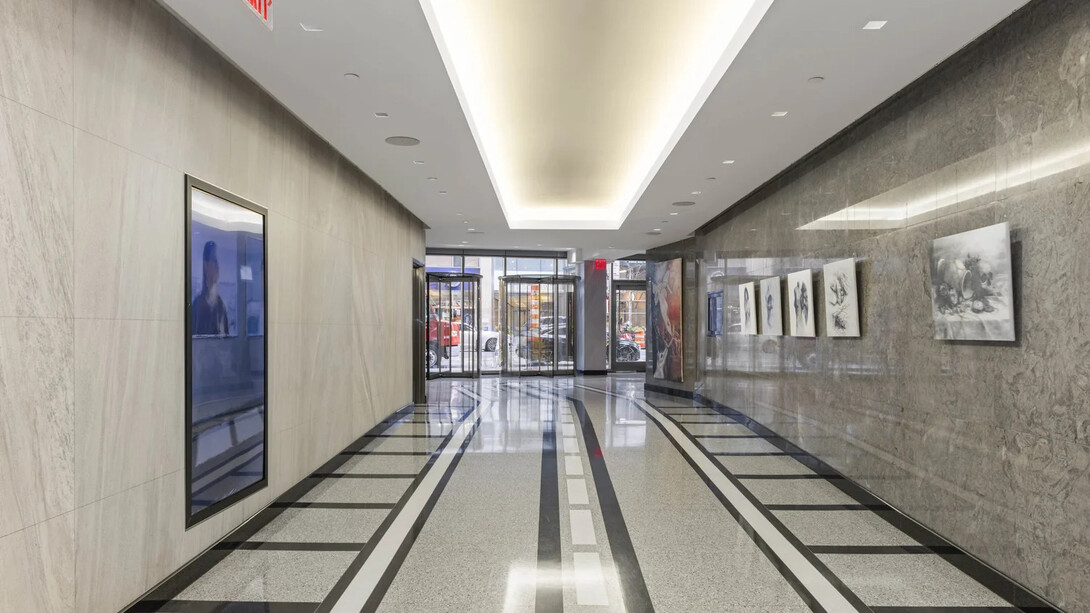
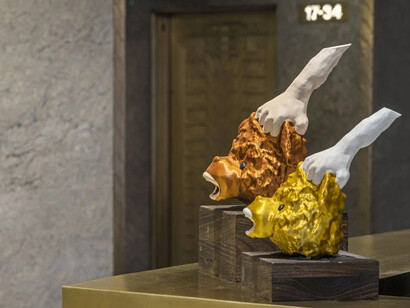
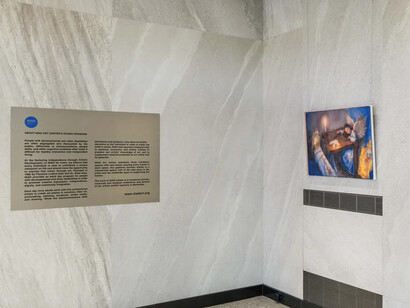
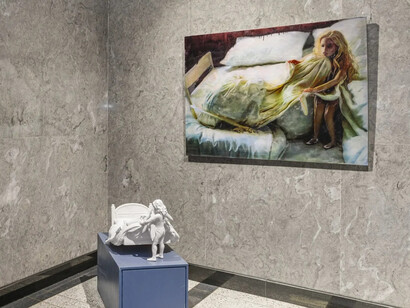
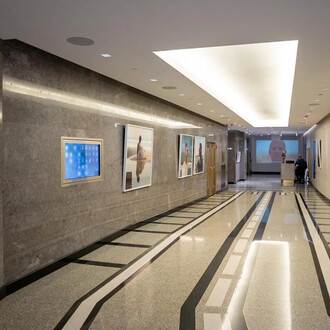
In Fractured, Yuli Aloni Primor situates an art of rupture at the symbolic center of the contemporary city. Installed in the gallery and projected on the Zaz Corner digital billboard in Times Square for a limited time, the exhibition places an intimate visual language inside the accelerated rhythm of public urban space. The two contexts do not illustrate each other but exist in productive friction: the private made monumental, the monumental made vulnerable.
The work draws on two traditions of repair — Kintsugi, the Japanese practice in which broken ceramics are reconstituted with gold until the fracture becomes the most radiant element of the object, and Tikkun, the Jewish ethical imperative to mend a broken world. Together they form not a philosophy of consolation but a politics of visibility: an insistence that the seam be acknowledged rather than erased.
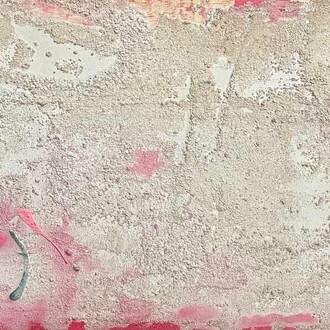
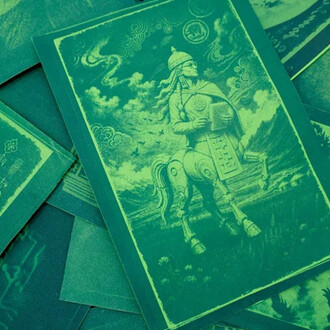
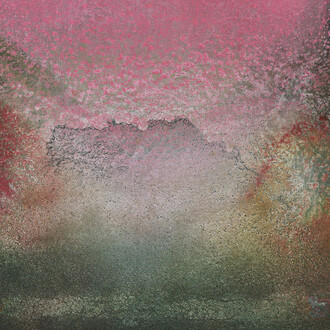
Working between digital technologies and oil painting, Aloni Primor constructs a feminine mythology suspended between personal history and cultural narrative, between psychological interiority and public surface. Identity here is neither stable nor given. It is continually negotiated, fractured, and rebuilt — shaped by the tension between external expectation and inner experience.
Within a city that continues, almost against its own velocity, to insist on gestures of human presence, Fractured proposes that repair is not restoration. It is transformation — and the fracture, made visible, becomes the work itself.