English
 Español
 Français
 Deutsch
 Italiano
 Português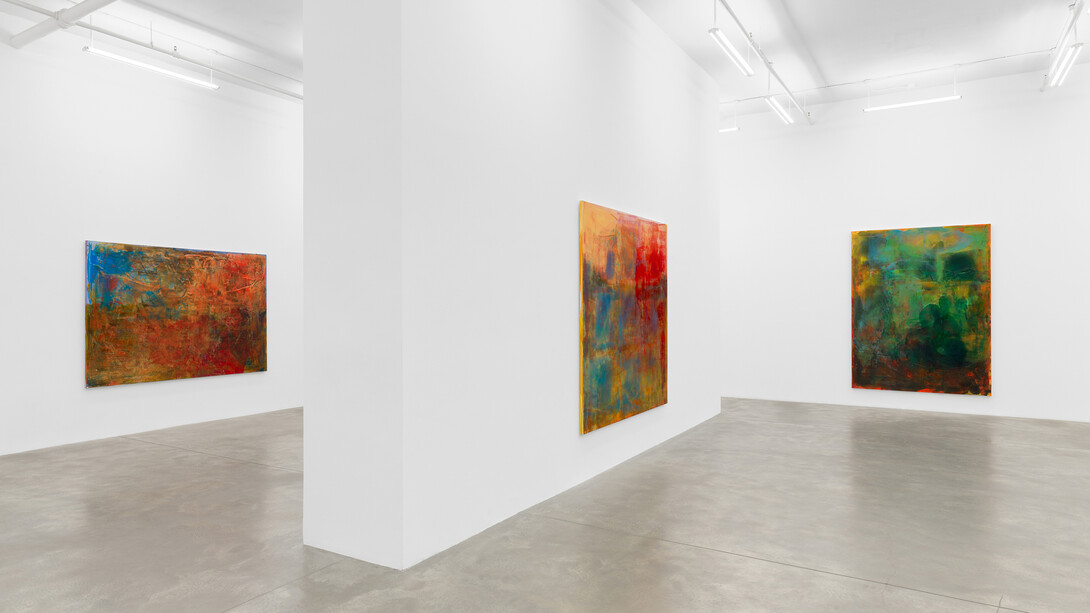
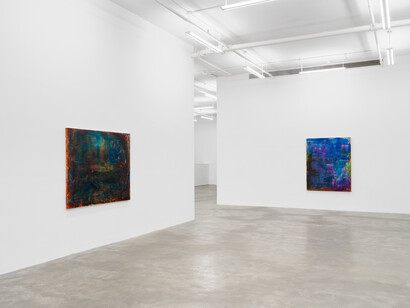
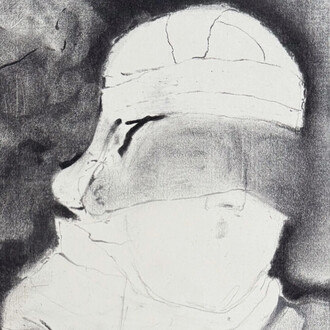
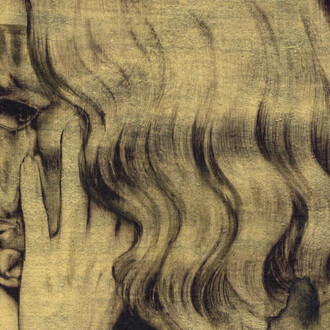
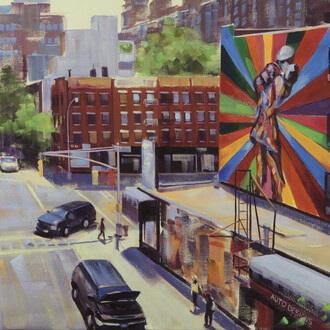
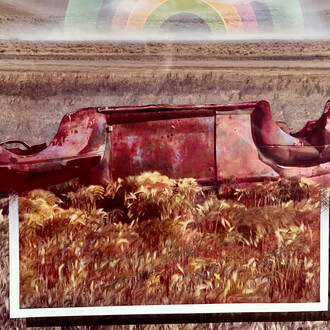
All I thought / I loved, Kevin Beasley’s fifth exhibition at Casey Kaplan, recasts his relationship to landscape through a years-long inquiry into the inherited and regenerative resonance of a site. Set in part on his family’s century-old property in Valentines, Virginia, the exhibition renders image, material and memory in oscillating focus. Newly developed techniques trigger a different mode of remembering, grounded in shifting conditions of light and color keyed to the time of day, and as intuited landscape that is sensed rather than fixed in view. Across a new body of resin paintings, video, cotton-based and cast resin sculptures, landscape is not rendered so much as it is built to surface—an accumulation of atmosphere and lived experience, slipping between physicality and illegibility.
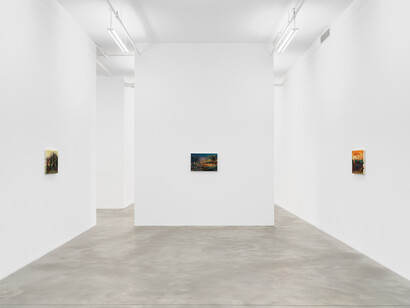
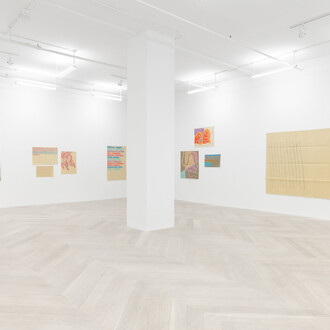
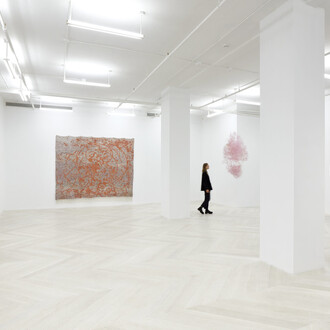
In sequence at the entrance, a series of vistas—intimate forms composed of resin and raw cotton sourced from Valentines—introduce his familiar slab format. Pulling from traditions of relief sculpture, Beasley’s brushed strokes of dyed resin and loose sketches of leafy knolls and treescapes take shape through a Sharpie transfer process that binds drawing with casting. Working within a mold laid on the studio floor, Beasley begins with a drawing and builds upward, layering resin and cotton as the image accrues in reverse. Landscapes are suspended between recognition and ambiguity, where control over composition is continually negotiated with the contingencies of material flow and chance. Dictated by the resin’s curing time, scenes glimpsed on car trips across the Blue Ridge Mountains and the rolling terrain of Virginia’s Piedmont are slowed into matter and remain out of view until demolding. Filtered through Beasley’s recollection, details dissolve into the material body of the work, inseparable from the process that produced them.
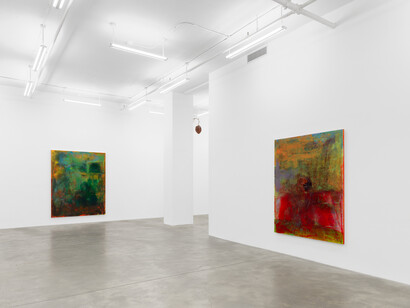
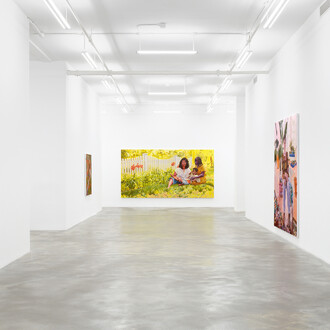
In an experimental shift in his process of image-making, Beasley moves from the layered construction of cast works to the immediacy of painting, where paint and resin operate as successive filters. Returning to a formative impulse, he works directly on canvas, laying down an acrylic underpainting that holds the mood. From this base, Beasley’s family home begins to surface: wooded corners, open fields, the intermittent geometry of chicken coops and sheds. A horizon line steadies sky and ground before it gives way to layers of quick-drying dyed resin pressed into the surface. Responding in real time, Beasley uses a plastic wedge to form glossy and thick swathes of colored resin that unsettle the image’s coherence. Resonating with Jack Whitten’s (1939-2018) innovations of the 1970s that foregrounded the material behavior of a surface’s construction, Beasley uses resin to build the image through its own viscosity. At times, the resin paintings share a compositional logic with the vistas: horizon lines, vertical interruptions, and clustered forms echo across both, with color refracting the light of the time of day. Akin to Richard Mayhew’s (1924- 2024) landscapes, the essence of Beasley’s environments outweighs their details and fragments sometimes linger—a group of trees, a clearing of sky. But the labor that produced the underlying painting dissolves into sensation as the scene drifts toward abstraction, where atmosphere takes hold here not as backdrop, but as the image itself.
In the adjacent gallery, three films mark a further unfolding of Beasley’s practice, where sound—long a central element—and image give form to his abstracted landscapes. a song for the birds, a feature-length projection, centers on a durational ritual. Filmed first in his studio in Long Island City, NY, Beasley methodically carries out a sequence of actions: transporting everyday tools and objects—a bucket, a ladder, a pool filter—one by one, arranging them into a tableau against the studio’s white wall. Taking a seat at the keyboard, Beasley performs a song. The scene then shifts to a verdant landscape, where the gestures are repeated in sequence, the objects placed in identical positions, and the same song performed. The tone shifts in the natural light, as sound carries differently in the open air.
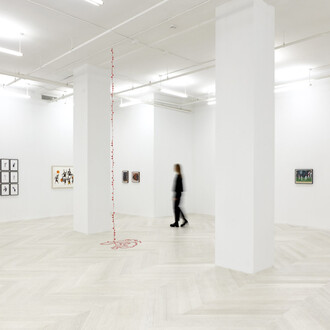
A short film streaming on a loop depicts a man walking across a field on the family property. His pace is unhurried, deliberate–his body carrying age and endurance. Portraying his father–a first for the artist in such a direct register– Beasley gestures at a lived inheritance shaped by generational, proprietary and at times contested ties to land. Two hornet nests found on the property are cast in resin, one in a saccharine red hung from the ceiling. These forms of vitality and containment are suspended in preservation; a living structure transformed into a monument. Here, landscape is held in material and carried in the body.