English
 Español
 Français
 Deutsch
 Italiano
 Português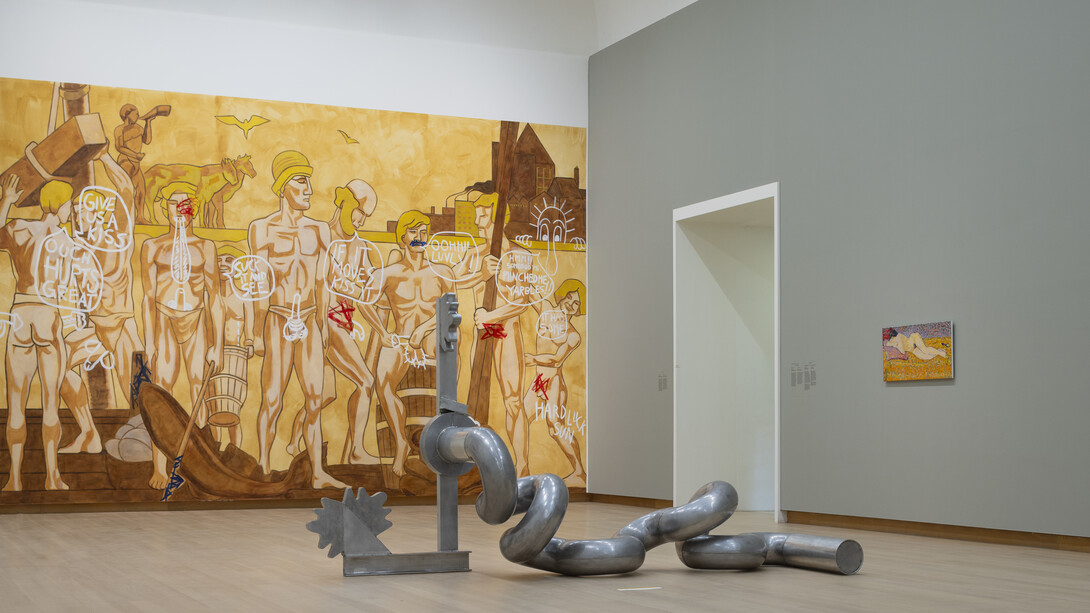
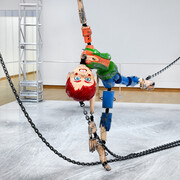
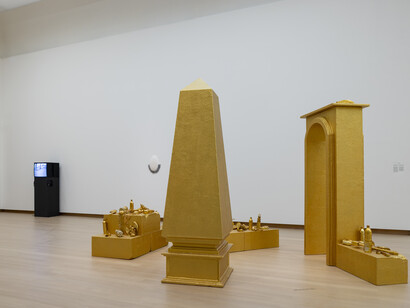
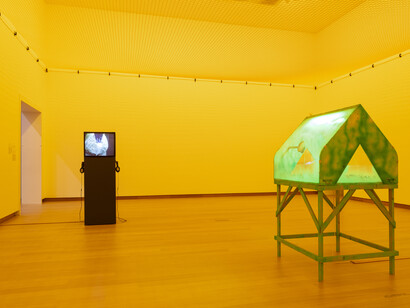
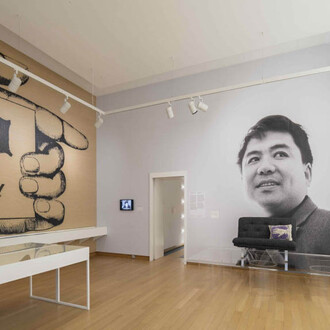
What does it mean to be a man today? This question has become increasingly urgent with the rise of the ‘manosphere’, a loose network of online spaces where a brash, misogynistic masculinity is asserted that, to many, feels threatening. Fueled by the spread of Trumpism, this brand of masculinity has become increasingly mainstream. The artworks in Beyond the manosphere – Masculinities today explore masculinity as an agent and performance of power – but also as a lived reality that can be conflicting, banal, unsteady, and tender. They approach masculinity as a broad and layered phenomenon, beyond dominant clichés.
Participating artists
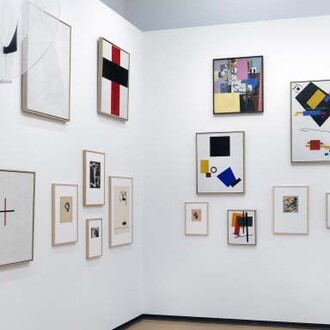
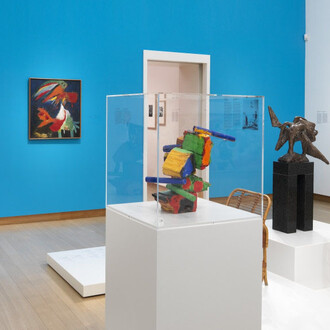
The exhibition brings together an intergenerational group of 35 artists. Works made between the 1960s to the 1990s by artists including Miguel-Ángel Cárdenas, Eduardo Paolozzi, Tetsumi Kudo, Melle, Hans Eijkelboom, Paul McCarthy & Mike Kelley, Julio Galán, Pope.L, Sophie Calle, and Sylvie Fleury place masculinity within the broader contexts of modernity, postwar consumerism, industrialization, and psychoanalysis.
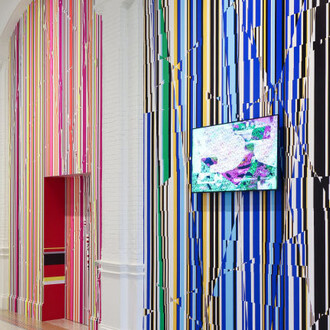
More recent and new works by artists such as Arlette, Emirhakin, Hamishi Farah, Solomon Garçon, Sven Gex, Jasmine Gregory, Zhana Ivanova, Basir Mahmood, Reba Maybury, Marlie Mul, Sands Murray-Wassink, Paul Pfeiffer, Sara Sadik, P. Staff, Diamond Stingily, SoiL Thornton, Salman Toor, Amanda van Hesteren, Alex Vivian, Bruno Zhu, and Selina Zürrer. They approach masculinity from the perspectives of intimacy, queerness, labor, race, class, fetishization, vulnerability, and popular culture . Across these works, masculinity appears not as a stable or unified identity but as a contested field of representations, gestures, desires, and contradictions. Dominance and aggression coexist with fragility and banality; control with exposure; fantasy with failure.
New works and performance
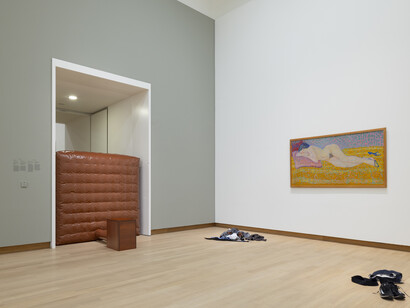
A number of works have been created especially for the exhibition. Reba Maybury shifts power relations in a work based on Leo Gestel’s Reclining nude (1910). Jasmine Gregory’s new work from the Investment piece series underscores how wealth continues to be framed as a white and male privilege. Sven Gex examines how contemporary culture shapes new templates of masculinity by creating “characters” derived from influencers, content creators, celebrities, and actors. Hamishi Farah’s new portrait of Wolfgang Tillmans reflects on the artist as a prototype of a new, successful masculinity that emerged in the 2000s. SoiL Thornton’s Husband chair (named after the chairs on which men are invited to wait while their wives shop), an inflatable object designed to block a passageway, is being created site-specifically for the Stedelijk.
For Beyond the manosphere, Zhana Ivanova developed a new performance in which she examines how masculinity is suggested and assumed through gestures, postures and movements. Performances will take place on opening night, and on April 18, May 9, May 10, and June 13, and June 14.
Artists in Beyond the manosphere — Masculinities today
Arlette, Sophie Calle, Miguel-Ángel Cárdenas, Sam Durant, Hans Eijkelboom, Emirhakin, Hamishi Farah, Sylvie Fleury, Julio Galán, Solomon Garçon, Leo Gestel, Sven Gex, Jasmine Gregory, Amanda van Hesteren, Zhana Ivanova, Mike Kelley, Tetsumi Kudo, Basir Mahmood, Reba Maybury, Paul McCarthy, Lucy McKenzie, Melle, John Miller, Marlie Mul, Sands Murray-Wassink, Eduardo Paolozzi, Paul Pfeiffer, Pope.L, Sara Sadik, P. Staff, Diamond Stingily, SoiL Thornton, Salman Toor, Alex Vivian, Bruno Zhu, Selina Zürrer.