English
 Español
 Français
 Deutsch
 Italiano
 Português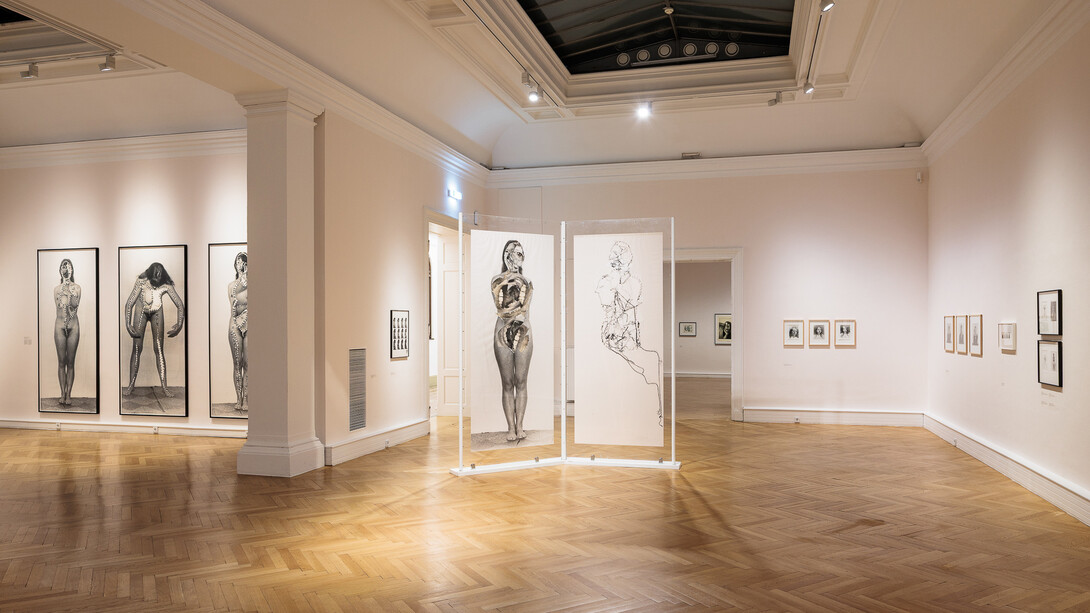
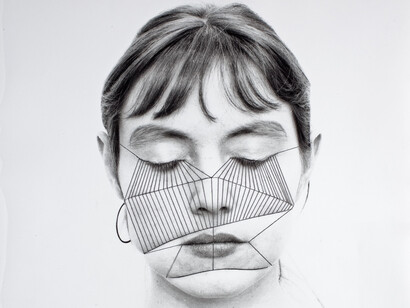
With her distinctive, radically feminist visual language, Annegret Soltau is one of the most important representatives of staged photography and body art in the 1970s and 80s. Social norms, body politics, and female identity are central themes in her work. Her artistic exploration of pregnancy, motherhood, and family in the 1970s and 80s, in which she lays bare complex emotional landscapes, inner conflicts, and states of mind, is unique.
Her work consistently makes her own female biography the subject, thereby breaking with social conventions, some of which are still valid today. She questions role models and deconstructs clichés about motherhood and family. To this day, her work breaks taboos by confronting us powerfully with the aging of the female body and questions of transience.
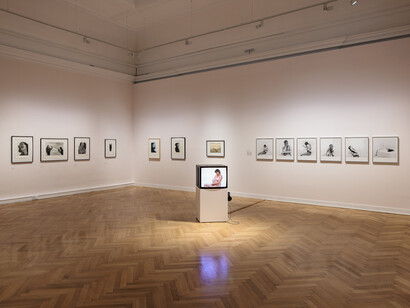
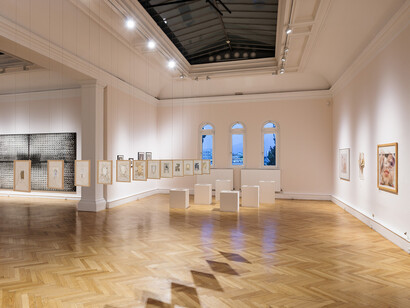
Technically, the artist also forges her own path, developing the photo-stitching and photo-etching method characteristic of her work. She repeatedly defies social and aesthetic conventions with her art, often facing public censorship. This retrospective sheds light on her entire oeuvre, establishes the artist as an important voice in contemporary art, and demonstrates the enduring relevance of her work.