English
 Español
 Français
 Deutsch
 Italiano
 Português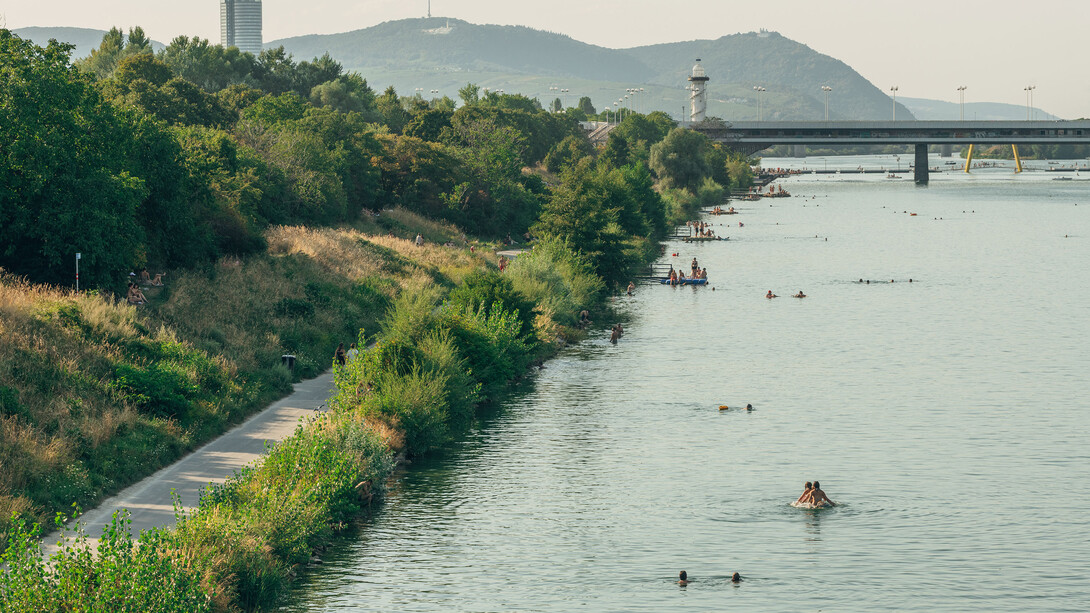
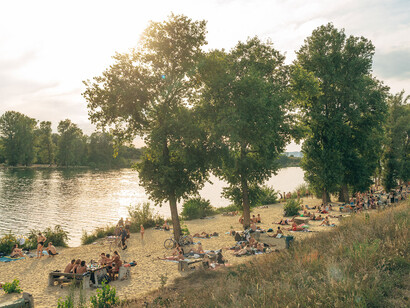
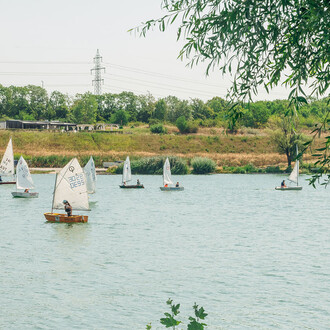
The Danube Island – built between 1972 and 1988 along with the New Danube to protect Vienna from devastating floods – has become an integral part of the city’s identity. Back in 1969, when the project was launched, no one imagined that more than 200,000 people would spend beautiful summer days on this stretch of land, 13 miles long and up to 800 feet wide.
What began as a purely technical and highly controversial flood-control project gradually transformed over more than 30 years of planning and construction into a diverse natural and recreational space on the water. Ambitious ideas for high-rises, a military training ground, and even a central train station on the island were abandoned, as was the plan to build it only as a flood-control dam without access to the New Danube. Instead, thanks in part to the growing environmental movement of the 1970s, many advocates pushed for a design that kept the island as natural as possible.
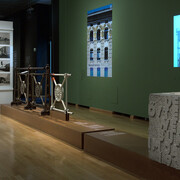
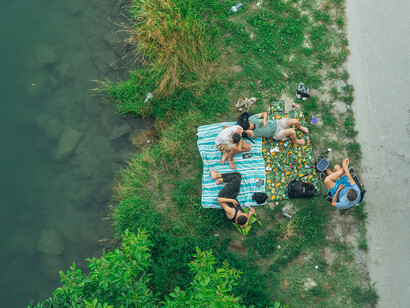
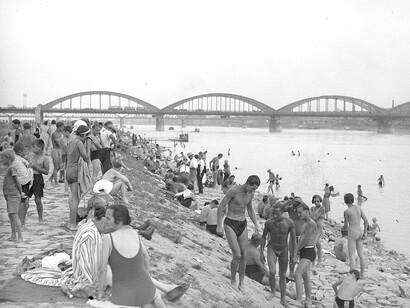
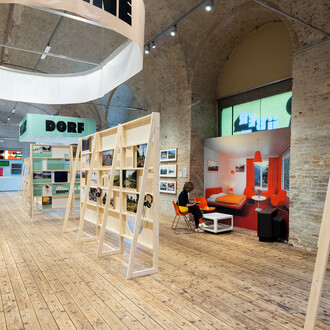
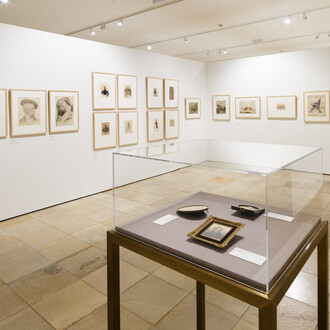
The Wien Museum exhibition explores both the history and present of this extraordinary landscape, which today is one of Vienna’s most important open spaces. The island is used by residents of all ages and backgrounds for countless activities. The exhibition also looks at the long struggle to establish effective flood protection for Vienna, the “wild” uses of the former floodplain that anticipated the island’s later role, and the complex planning and construction of this one-of-a-kind project. It also highlights the ecological and social importance of the island in today’s Vienna, a city that is becoming ever denser and hotter.
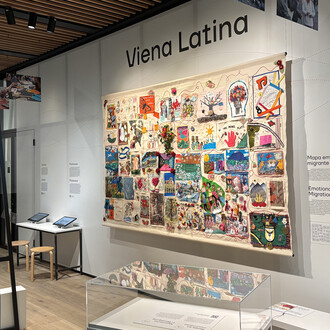
Among many other objects, a 36-foot-long historic model of the Donauinsel, a food cart, as well as recent photographic and film works by artists Klaus Pichler, Elodie Grethen, and Dariusz Kowalski are on display.