English
 Español
 Français
 Deutsch
 Italiano
 Português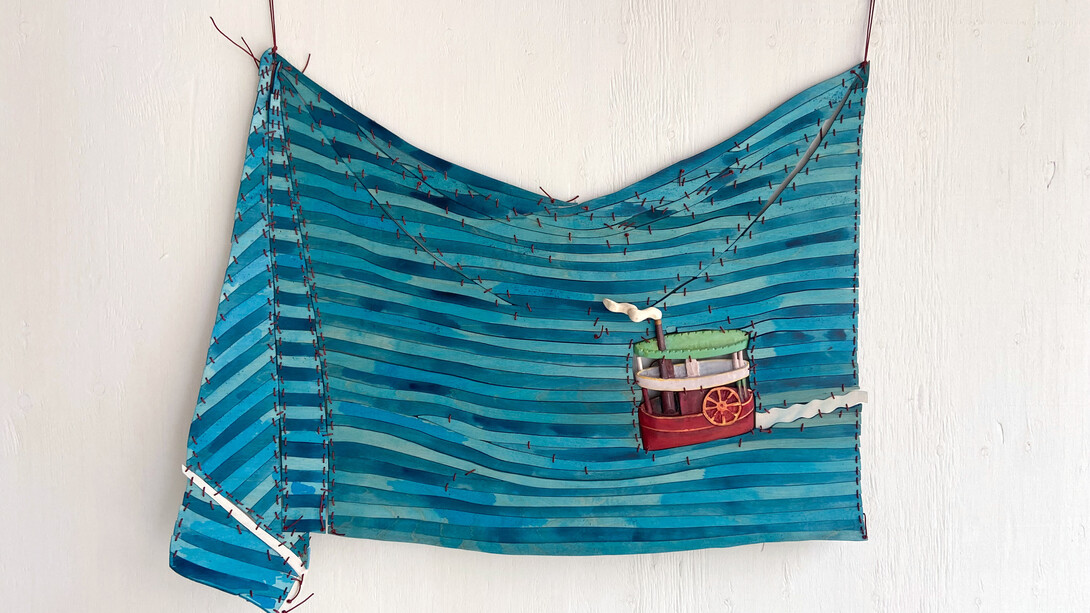
Pentimenti is pleased to present American interior, marking Dan Gunn’s first solo exhibition at Pentimenti. In conjunction with the city’s 250th anniversary celebration of American independence, this exhibition offers a timely and nuanced meditation on the nation’s evolving self-conception.
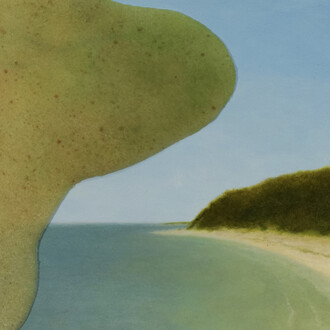
Growing up in the Midwest, Dan Gunn often found the region reflecting upon its past in everyday objects, familiar but often defunct things shaped by place, labor, and memory. In his work, he explores how these representations of regional identity become both a psychological foundation and a mythological mirror. Gunn’s objects reflect the complex ways myth, memory, and longing shape how we understand the past, and how it continues to echo in the present. In this new series of works, Gunn engages the layered meanings of “interior,” the Midwestern heartland, the nation’s collective psyche, and the decorative domestic space. He intertwines these registers into an exploration of identity, memory, and cultural inheritance.
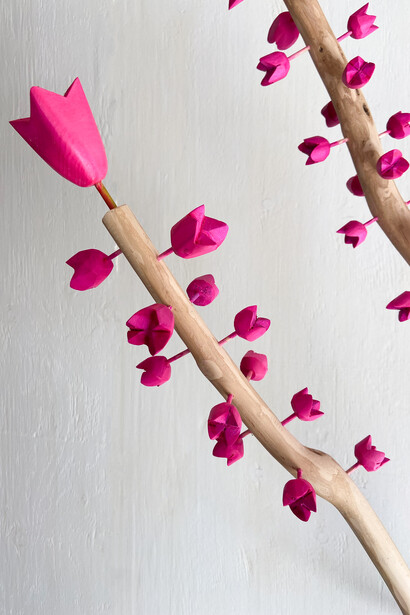
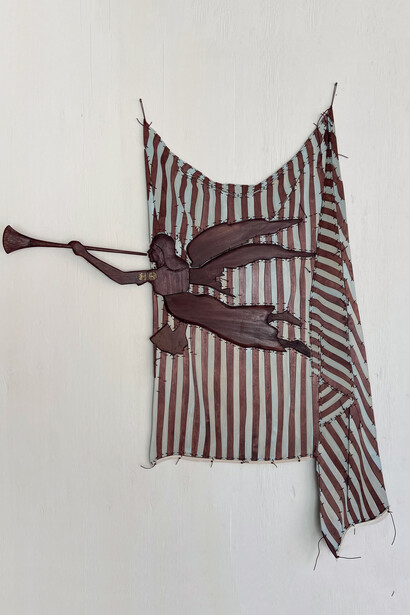
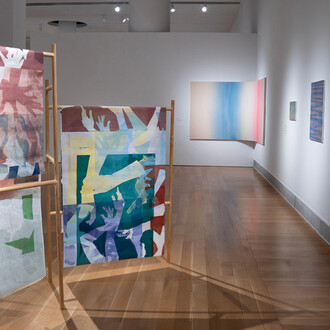
Gunn’s intricately carved wooden “tapestries” are enigmatic compositions that invite viewers to look beyond the surface. His work stages a tension between image and structure, using carved and sewn plywood to mimic the appearance of drapery while asserting its rigid, constructed form. Many works incorporate objects drawn from the Index of American Design. Established during the Great Depression, this federal initiative aimed to document and preserve a distinctly American visual heritage in order to construct a “usable past.” The original watercolors depicting folk and decorative arts from the colonial period through 1900 serve as both source material and conceptual framework for the artist, translating archival imagery into constructed surfaces that emphasize both the persistence and instability of American identities.
Gunn draws inspiration from material in motion, the buckling of a fabric theater curtain, the swag of political garland, or expanding screens, arranged to emphasize the rhythm and formal movement of their folds. From this initial observation, he meticulously hand-cuts, carves, dyes, and paints plywood segments, which he sews together with nylon cord to evoke the appearance of hanging fabric. Through this labor-intensive process, Gunn transforms the fleeting qualities of drapery into something architectural and enduring, arresting movement within a system of fixed, assembled parts.
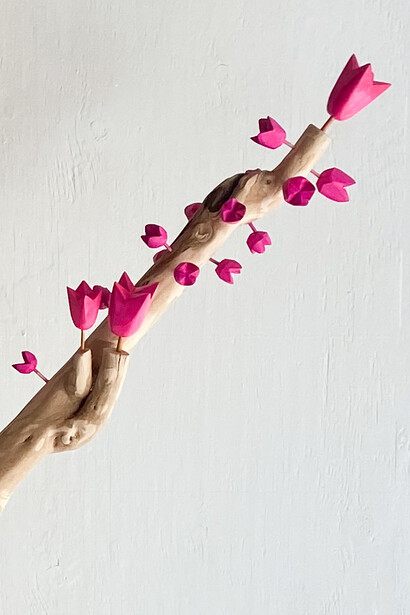
Gunn assumes the position of the woodworker without claiming its lineage, using the forms and techniques of craft as a framework for constructing images that oscillate between illusion and structure, humor and unease.
With American interior, Dan opens a reflective passage through the visual and ideological landscapes of America, asking us to look again, and then look deeper.