English
 Español
 Français
 Deutsch
 Italiano
 Português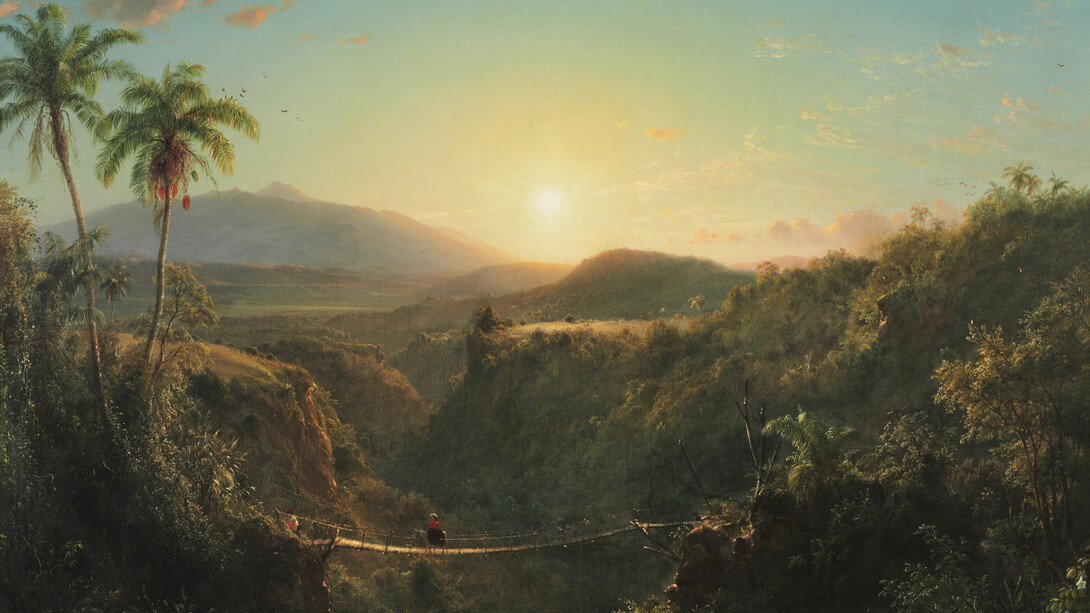
Two of America’s most esteemed cultural institutions—the Philadelphia Museum of Art (PMA) and the Pennsylvania Academy of the Fine Arts (PAFA)—today announced A nation of artists, a historic collaboration with the private Middleton Family Collection that will unite three extraordinary collections of American art. A nation of artists debuts as a cultural milestone celebrating the nation’s creative and artistic legacy at the Philadelphia Museum of Art (April 12, 2026 to July 5, 2027) and at the Pennsylvania Academy of the Fine Arts (May 2026 through September 2027).
Featuring more than 1,000 works across the two museums, A nation of artists will be the most expansive presentation of American art ever mounted in Philadelphia. Though shaped by distinct curatorial visions at the PMA and PAFA, the exhibition is unified by shared themes exploring the richness of American art. Selections from The Middleton Family Collection—one of the country’s most significant private holdings—will be interwoven at both venues to offer fresh insight into the story of American art and experience.
“Our aspiration is that this exhibition is for everyone—no prior knowledge of art or history required,” noted John S. Middleton. “We believe in the power of storytelling to connect people and are thrilled to partner with these two storied institutions to share the works that have brought our family so much joy and inspiration. Like baseball, art has the power to bring people together and surprise us when we least expect it. With every viewing, there’s something new to discover. It’s an honor to help bring American art to life in a new way during this very special 250th commemoration of our country’s founding.”
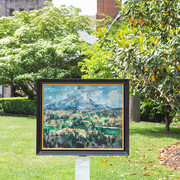
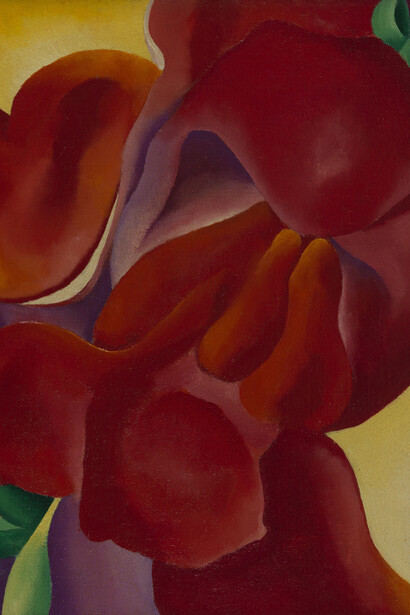
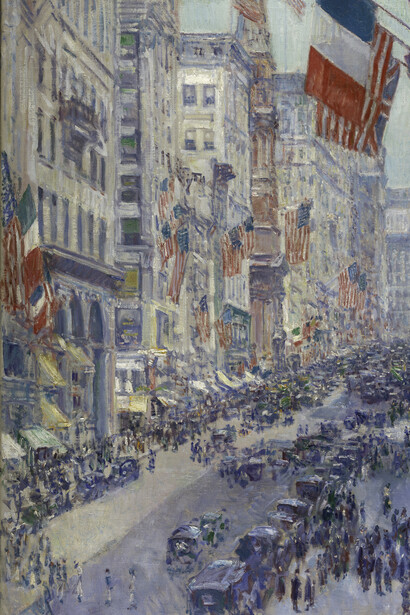
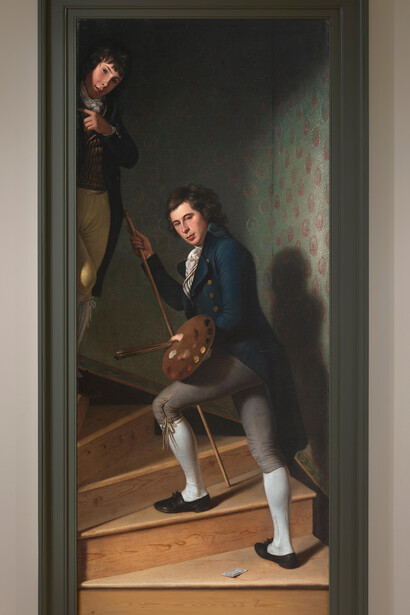
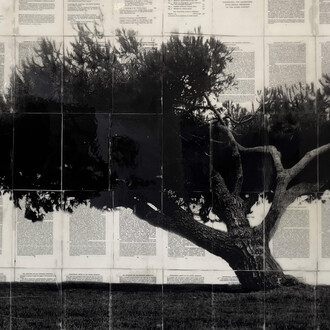
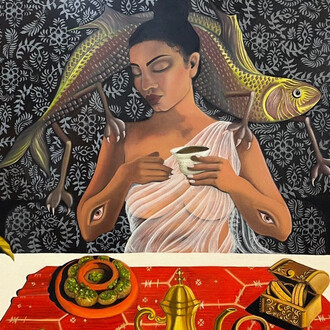
Spanning three centuries of diverse mediums—from portraiture and sculpture to furniture, textiles, decorative arts, and photography—A nation of artists will trace the ever-evolving story of American creativity. Visitors will experience everything from the early realism of Charles Willson Peale to the shimmering brushwork of John Singer Sargent, the expressive intensity of Horace Pippin, and the impressionist elegance of Mary Cassatt—all shaped by the crosscurrents of cultural exchange, historic events, and imagination. The exhibition will further spotlight modern and contemporary artists whose work provides differing perspectives and interpretations of life in America today, including sculptural installations and multimedia works by Jaune Quick-to-See Smith, Rina Banerjee, and Mickalene Thomas.
“What makes American art so powerful is not only where it was created but also who made it—and why,” said Sasha Suda, the George D. Widener Director and CEO of the Philadelphia Museum of Art. “A nation of artists will present a broad and vibrant picture of artistic expression that was happening across the country through both familiar icons and voices that have historically been overlooked. We couldn’t be more excited and inspired to partner with PAFA and The Middleton Family on this extraordinary cultural milestone, and we look forward to welcoming everyone—from neighbors down the street to visitors from across the region, the country, and around the world—to be part of this celebration.”
As the birthplace of American democracy, Philadelphia will serve as a cultural and historic hub for the America 250 semiquincentennial celebrations, hosting global events including the 2026 FIFA World Cup, the PGA Championship, and the MLB All-Star Game, among many other exhibitions, sports events, and major conventions. A nation of artists will place the city at the heart of the nation’s creative legacy, reflecting both the historic depth and the city’s continued influence on American culture.
“This historic collaboration places Philadelphia’s artistic legacy on full display—offering the world a celebration of creativity, identity, and nationhood that can’t be experienced anywhere else,” said Angela Val, President and CEO of Visit Philadelphia. “Only in Philadelphia—where our independence was declared, our constitution debated and established, and our first states united—could an exhibition of this scale and significance come to life.”