English
 Español
 Français
 Deutsch
 Italiano
 Português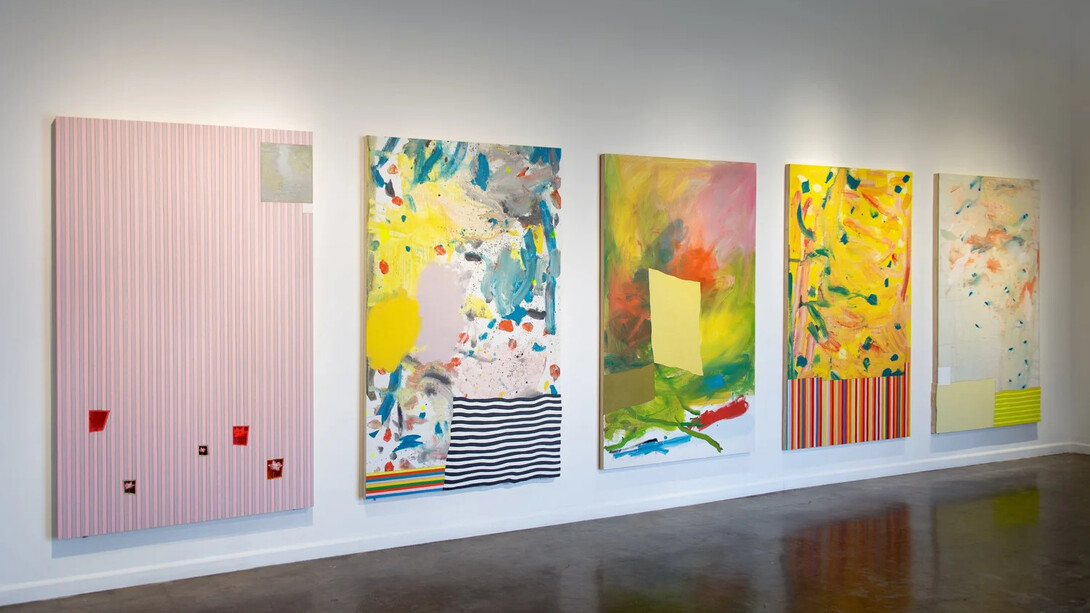
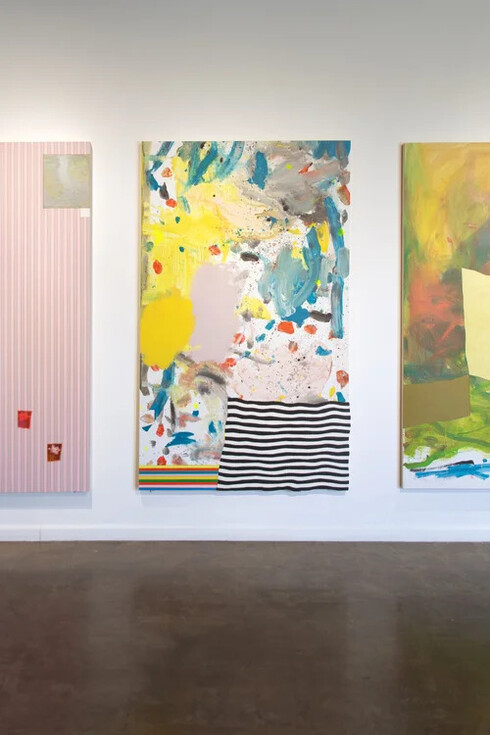
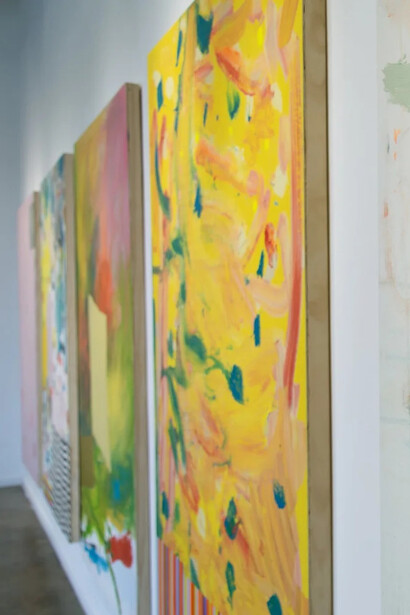
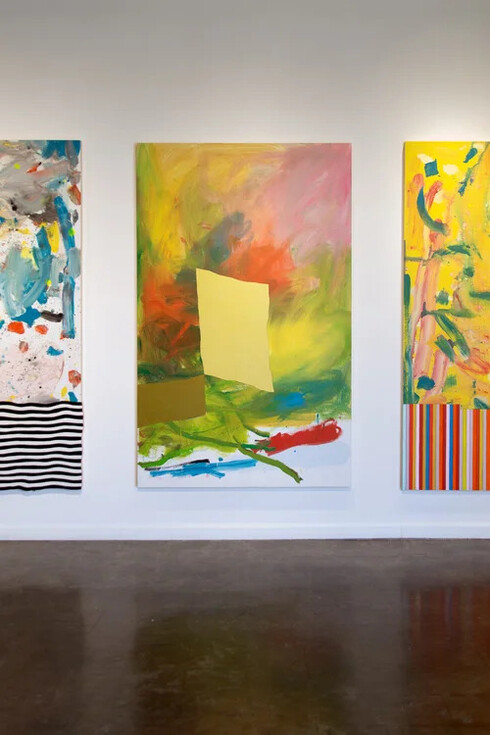
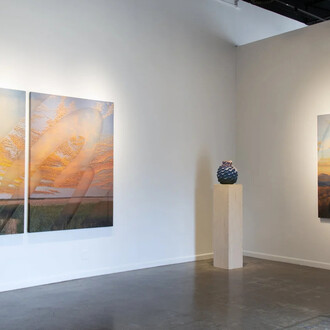
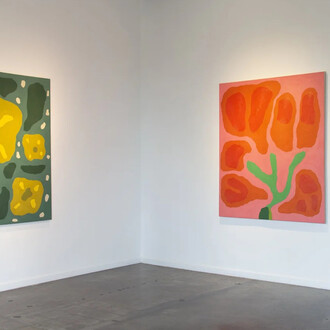
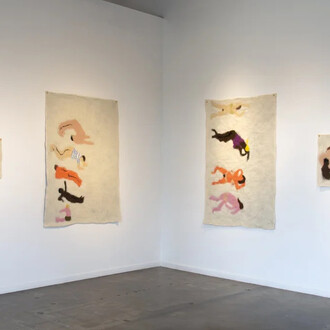
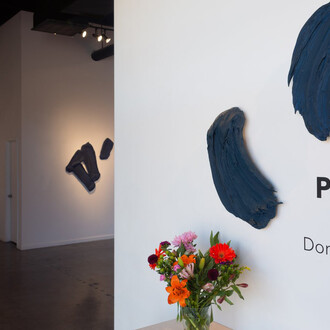
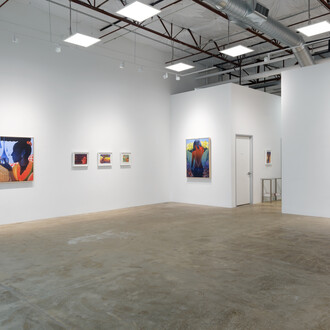
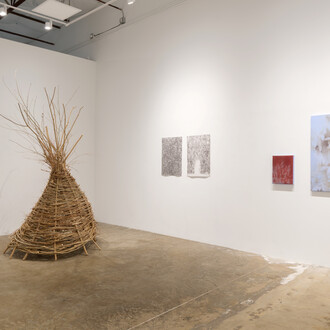
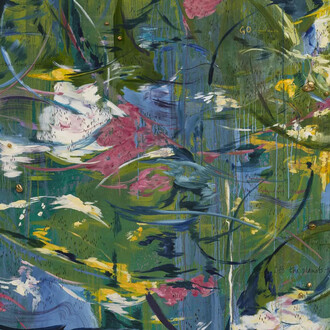
Galleri Urbane is pleased to announce water lilies, a solo exhibition of the latest works by Dallas based artist Benjamin Terry. This represents the artist’s sixth solo exhibition at the gallery.
The paintings engage the language of painterly abstraction and action painting, a language I’ve come to know well over the last several years and care deeply about. I’m attentive to it. When a gesture tips from intuitive to fussy, when a surface resists or absorbs too much, when confidence hardens into habit. These distinctions matter to me, and they come from years of looking, failing, and learning inside that tradition. At the same time, this work is not an attempt to inhabit that history. It is about fitting and not fitting. About fluency without ease.
(Benjamin Terry)
An essay by writer Eve Hill-Agnus accompanies the exhibition.
Benjamin Terry’s practice resembles medieval and ancient concepts of the Wheel of Fortune, in its openness to a radical notion of generative movement: circling endlessly, shifting between order and disruptions of order. The desire: to push toward a dialectic. To stumble around. To shake things up and then sit with them, seeing what they can become with more sustained effort and slowness. Recently, something dislodged, broke free—became visible.
water lilies is a continuation of the impetus behind recent work exhibited at Cheerleader, a project space that allowed Terry to open up possibilities, shed constraints, and adopt what he dubs “speed, looseness, and a kind of willful ignorance.” At the heart of that exhibition was a beheading, specifically Terry’s engagement with Caravaggio’s Judith Beheading Holofernes. However, those paintings were neither depictions of a beheading nor allegories of one. Instead, the image operates as a structural and emotional charge, becoming a locus where exposure, humiliation, and the stripping of agency come into view. In Caravaggio’s brutal physicality—in its theatrical darkness and visceral weight—Terry explores violence as both personal and systemic. The beheading embodies a condition: severed, positioned, circulated. That unease registers materially, ruffling the surfaces of the paintings themselves, abstract as they may remain.