English
 Español
 Français
 Deutsch
 Italiano
 Português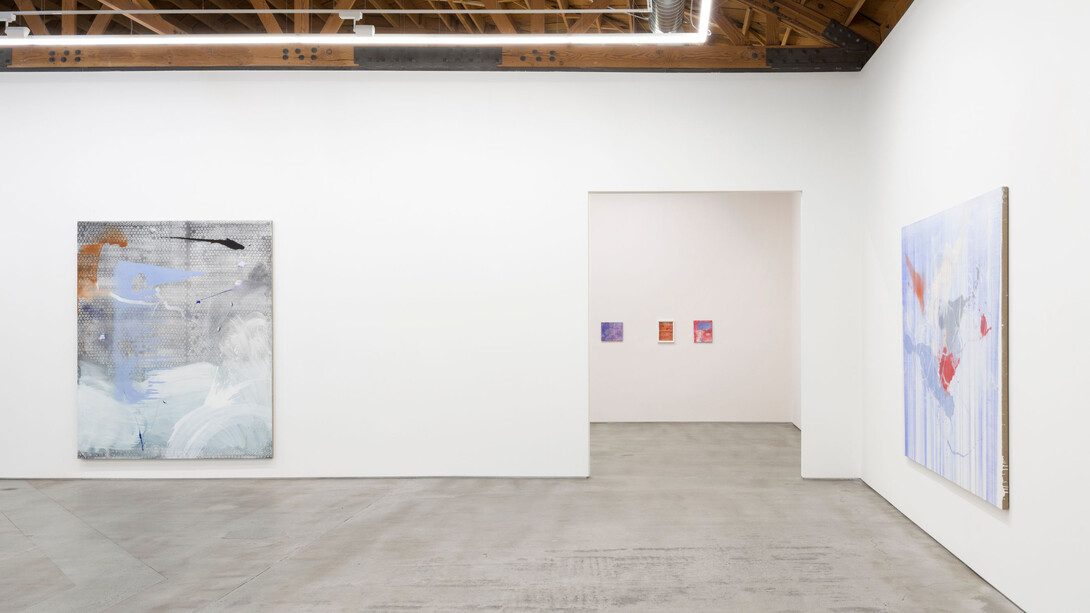
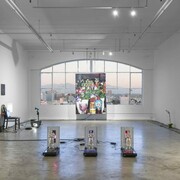
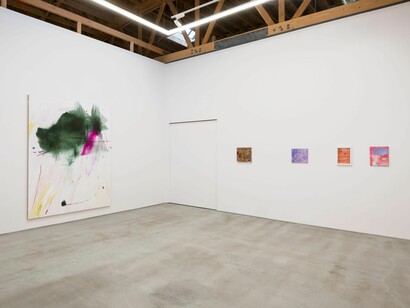
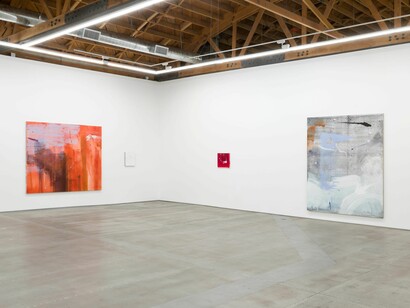
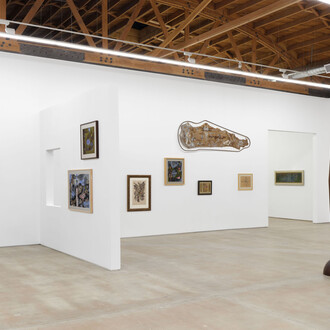
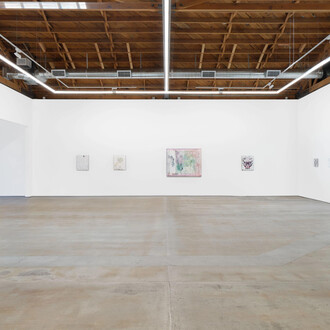
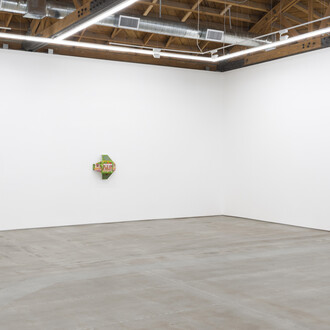
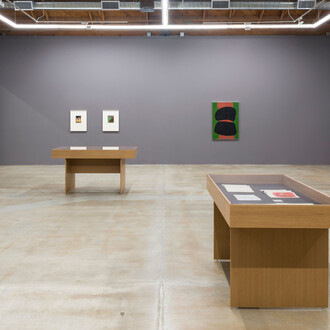
Château Shatto is pleased to announce an exhibition of new works by Emma McIntyre, Aragonite and conchiolin. Opening on Tuesday, February 24, this is the artist’s second exhibition at the gallery in Los Angeles.
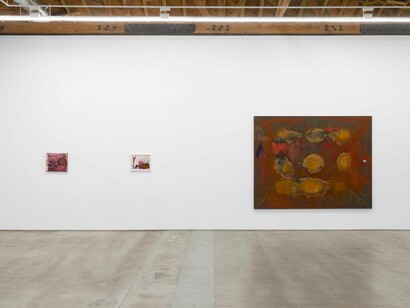
Across her expansive canvases and their diminutive accompaniments, Emma McIntyre’s paintings set a stage for material, accident, outcome, surprise and action—a theatre of form. McIntyre finds her way deep into the structure of her medium, attuned to all of paint’s expressive scales: the grandeur of a painting’s gestalt and the capricious behaviors of geological paste.
Continuing the titular thread from her last exhibition at Château Shatto, Pearl diver, the title Aragonite and conchiolin names the bondage of a calcium carbonite and a fibrous protein that bio-compose into pearl and nacre. These sequential exhibition titles take up deeply distinct perceptual approaches to the pearl: the former conjuring the human attraction and mercantile captivation of the object; the latter simply naming an organization of matter, of pure substance.
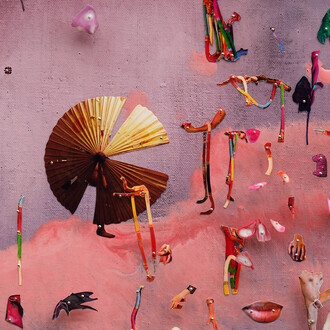
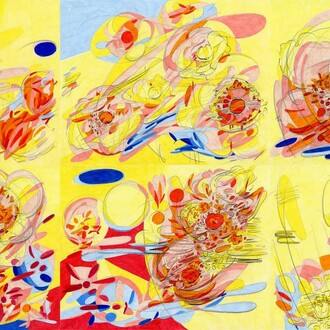
This division and reunification of materials and meaning are at constant play in McIntyre’s work, as are the perceptual jump cuts within and between her paintings. Up close, the suspended spillage of pigments and binder describe their material dynamism in a lively performance of particles. At a greater distance, these pools are visited by glyphs of water cranes, occluded by gesture, layered with a Liebespaar of swans (lovers doubled and doubled again), bordered by empty outlines resembling leaves, met by other ichorous passages of paint, interpolated with the impressions of bubble wrap, swiped with the residue of a pallet knife... In totality, these forms collect across McIntyre’s paintings into a simultaneity, where the erotic voltage of a rococo-esque flick of paint sits on top of horizontal lines raked into the thick surface, like CRT scanlines.
The question of what paint is, what it has done and what it wants to do is perpetually being asked by McIntyre in the act of painting. When she introduces rust into a painting’s equation, this is especially exaggerated. In a surface composed largely of a rusting process, genuine Chinese vermilion spreads in passages, running into iron oxide, turning the appearance of mercury from cinnabar to a deep metallic grey. This orange-red pigment has been used to rich effect over the history of oil painting but its instability - its aliveness and unsettledness - makes it unreliable as a container of color. McIntyre accelerates the fluctuant tendencies hidden in the paint’s material composition and quickly advances the areas exposed to iron oxide from red to black. What years and atmosphere might do to a painting is made immediate, hastened timelines alongside their sedate counterparts.