English
 Español
 Français
 Deutsch
 Italiano
 Português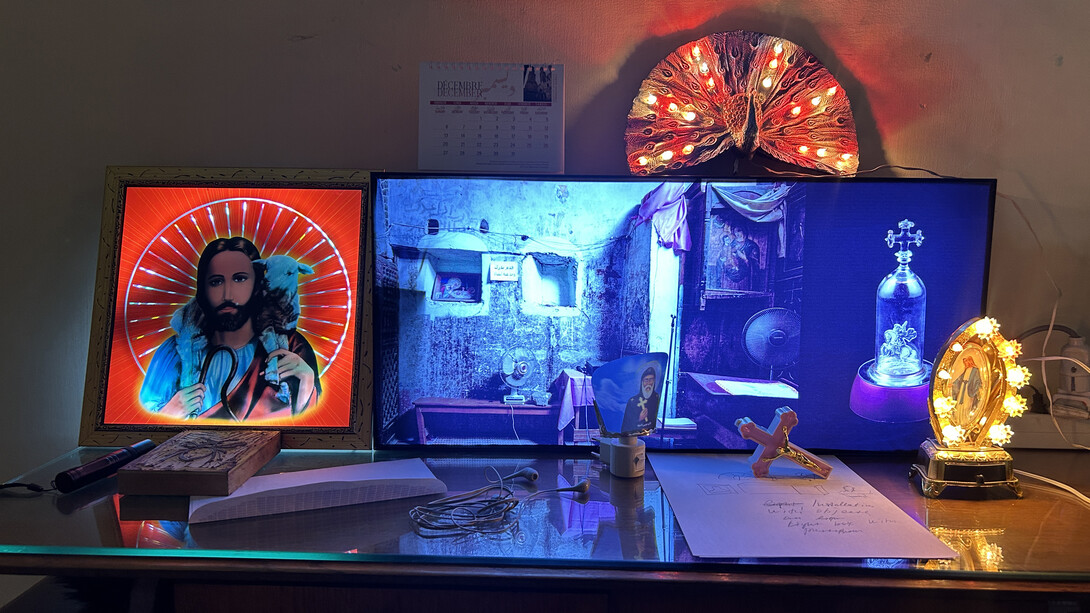
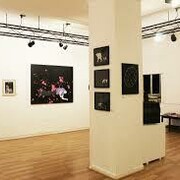
Mashrabia Gallery of Contemporary Art is pleased to present the third edition of Menawwareen, a group exhibition that brings together light-based works exploring illumination as both material and metaphor. Following the 2004 and 2019 editions, this iteration focuses on contemporary practices that engage light as an active agent through illumination, shadow, color, movement, and interaction.
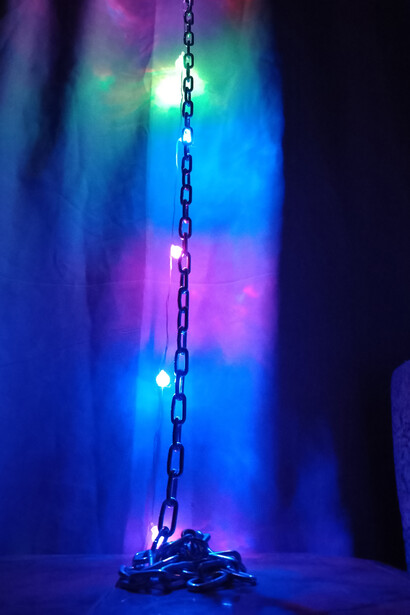
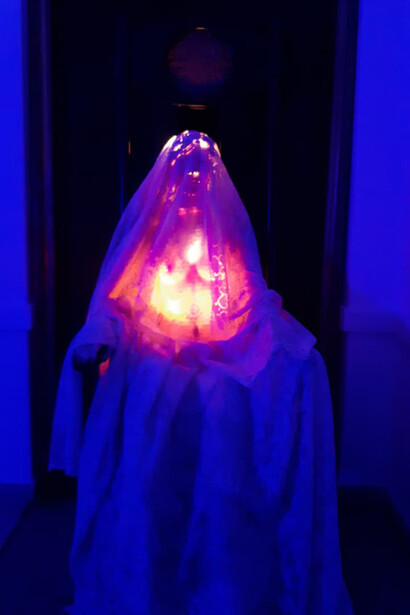
Across installations, sculptural light works, and digital interventions, light is treated not only as a source of visibility but as a carrier of memory, atmosphere, and transformation. The works examine how light reveals and conceals, how it shapes space, and how it alters our perception of time and presence. Flash, glow, and shadow become performative elements, blurring the boundaries between the physical and the ephemeral. In these installations, light remains unstable constantly shifting, dissolving, and re-forming, mirroring the fragility and temporality of lived experience.
Together, the artists propose light as a language that transcends disciplines and sensibilities. The exhibition invites viewers to move through illuminated environments where seeing becomes a temporal act, and meaning emerges in moments of pause, transition, and quiet intensity.
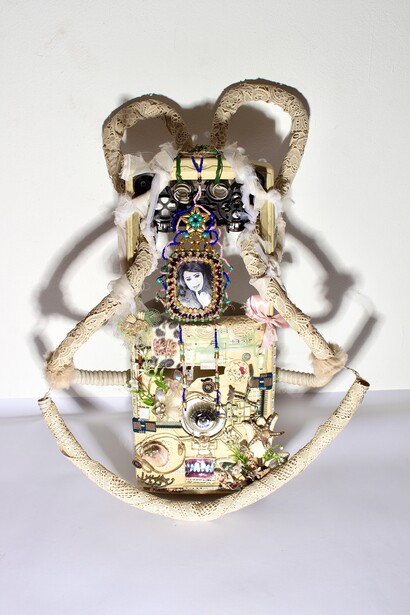
Presented during the month of Ramadan, Menawwareen III brings together Egyptian and Egypt-based artists and designers experimenting with light across sculptural, conceptual, and mixed-media practices. This year’s edition features works by EmmaJane Geyer, Aya Tarek, Israa Kazem, Xenia Nikolskaya, Rana Ahmed, Amr Elngmah, Alexandra Stock, Hala Abu Shady, Salma Baset, and Hana Osama. Collectively, their contributions offer a compelling reflection on the evolving landscape of contemporary art in Egypt today.
Speaking about the exhibition, Mashrabia Gallery notes:
“Menawwareen 3 invites viewers to experience light not just as illumination, but as a living, interactive element. Through the diverse practices of the participating artists, the exhibition explores how light shapes perception, transforms space, and engages audiences in unexpected ways.”