English
 Español
 Français
 Deutsch
 Italiano
 Português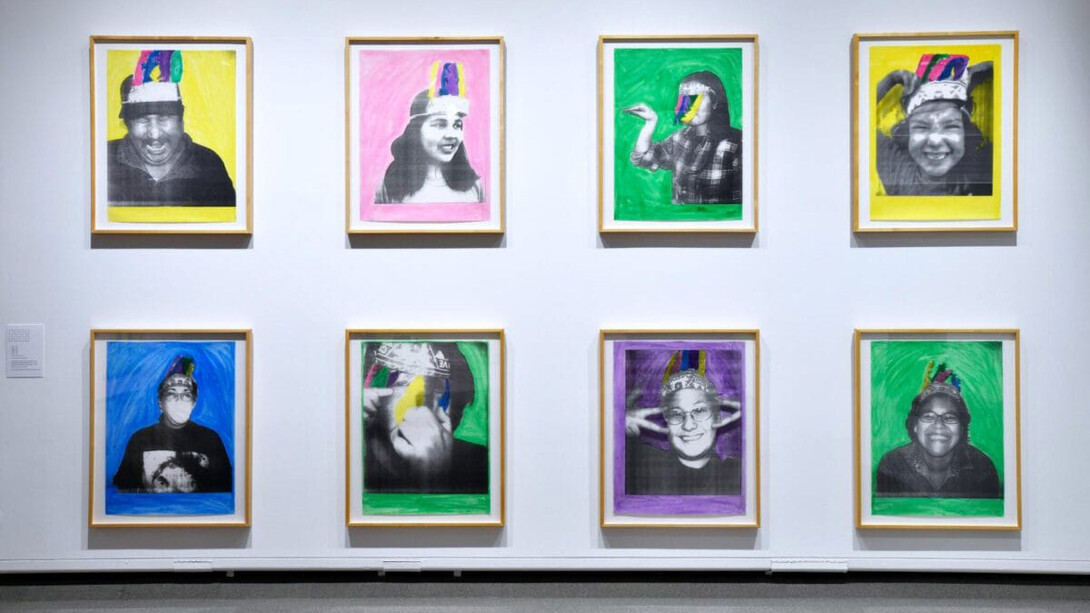
For four decades, Saskatchewan-based artist Ruth Cuthand has influenced the contemporary art landscape in Canada with her narrative-driven artwork. Cuthand has been instrumental in the development of an experimental and expansive Indigenous art practice grounded in critically relevant subject matter. As a matriarch in Indigenous contemporary art practice, she has mentored generations of Indigenous artists and prompted shifts in how artists engage with community knowledge.
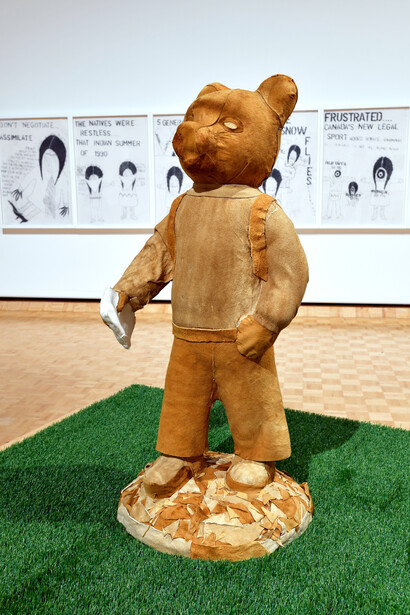
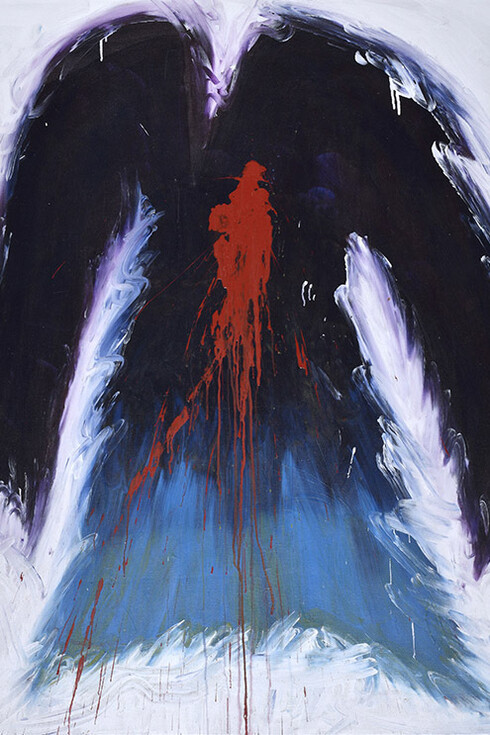
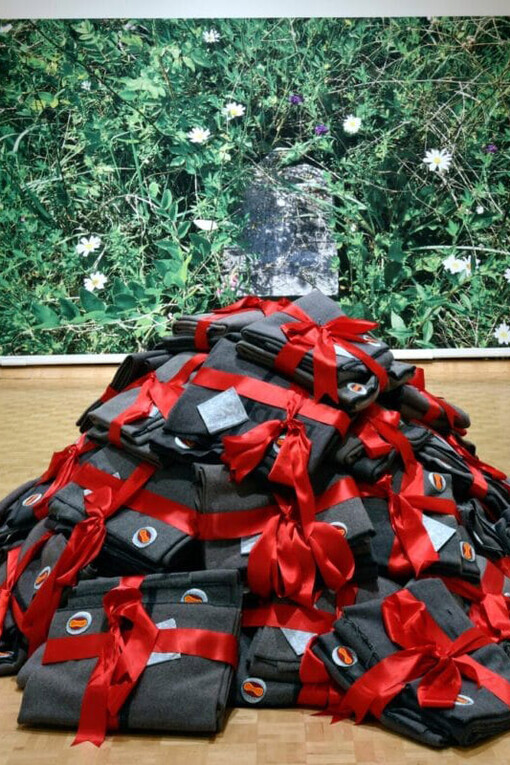
During her career, Cuthand has repeatedly found new ways to approach familiar mediums, provoking new paths for visualizing the experience of Indigenous people living through settler colonialism. Curator Felicia Gay looks at Cuthand’s career from 1983 to 2024. The exhibition comprises new and past works, including video, mixed-media installation, photography, and collaborative story-work between Cuthand and Gay. Cuthand critiques historical and contemporary narratives with humour and biting wit, highlighting the enduring effects of the colonial project as well as the enduring strength of Indigenous people in Canada.
mīgisak mīgohk / Beads in the blood: a Ruth Cuthand retrospective encapsulates Cuthand’s diverse range of interests and strategies and engage communities with stories that encourage knowing, caution, and continuation or survival.
Ruth Cuthand, a member the Little Pine Cree Nation in Saskatchewan, is widely recognized as one of Canada’s foremost contemporary artists. Cuthand’s use of beads as a medium, particularly through her renowned Trading series (2009), has become central to her artistic practice. The exhibition highlights her mastery of beadwork, a traditional technique to confront colonization, health crises, and survival. Reflecting on the importance of storytelling in Cree culture and Cuthand’s work, curator Felicia Gay explains, “Stories live within us, germinating in each child, stories with umbilical cords feeding a mother’s heart. You hear people say it is your blood memory; the stories will come to you in dreams if you are meant to have them. They say the stories live on in our language and on our faces.”