English
 Español
 Français
 Deutsch
 Italiano
 Português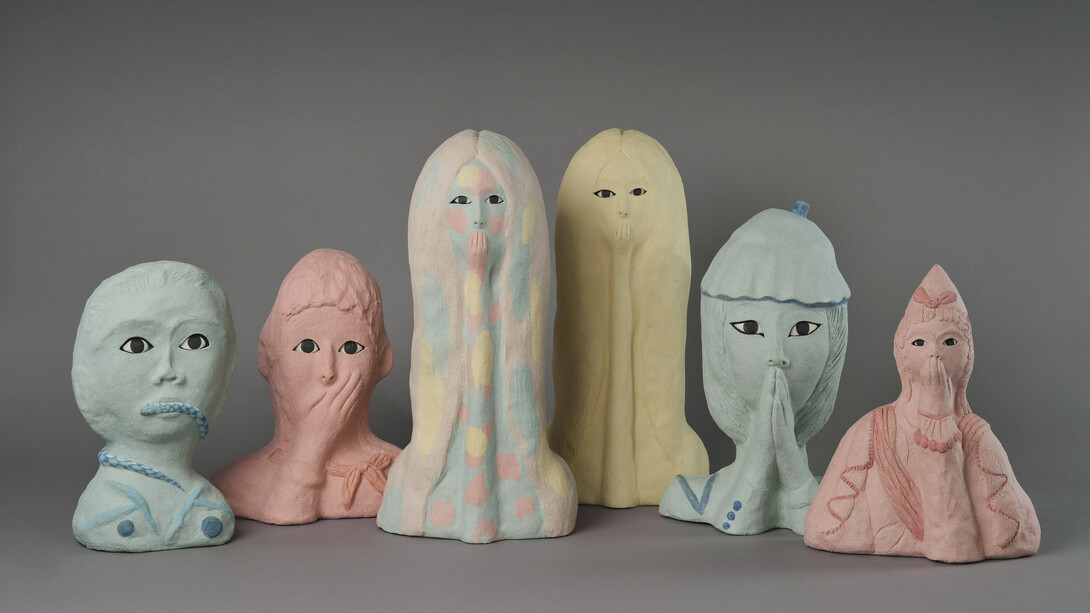
We are living through an extraordinary moment in history. Polarization, surveillance, instability, and a sense of untethered chaos shape our days. But we have been here before.
A century ago—between two World Wars—the Surrealists forged a revolutionary language in art, literature, and politics, answering crisis with imagination. Today, artists and thinkers once again respond to a world marked by alienation, conflict, and fear.
These times ask for another kind of vocabulary—one capable of holding contradictions, honouring complexity, and carrying us through the difficult work of speaking with both conviction and care. Making sense of our moment is painful, but not without hope.
Shary Boyle wades into these charged spaces with an ethic of social justice and a deep belief in the transformative power of imagination. When she says, “I feel the need to create an alternate world, a vision of what might be magical or beautiful or fantastic about being human,” it is not an escape but a strategy of survival—a way to envision continuance in the face of rupture.
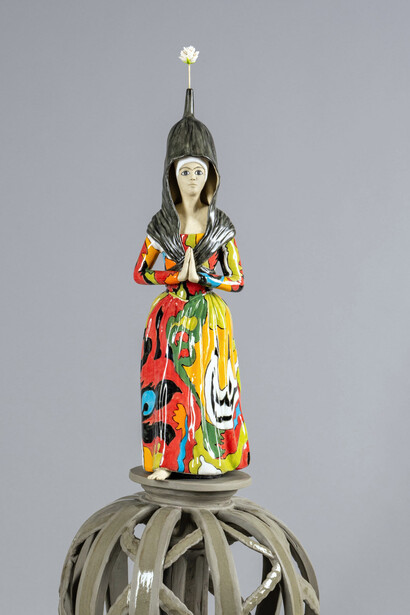
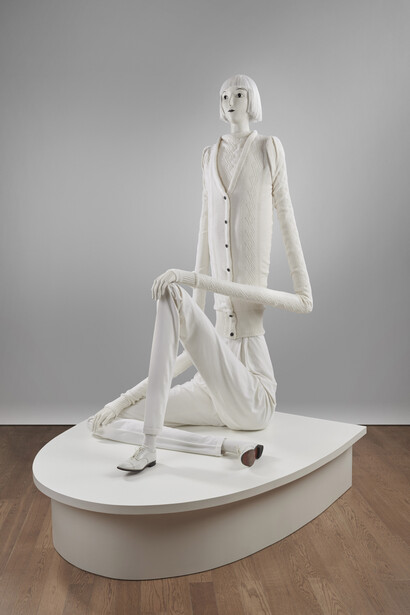
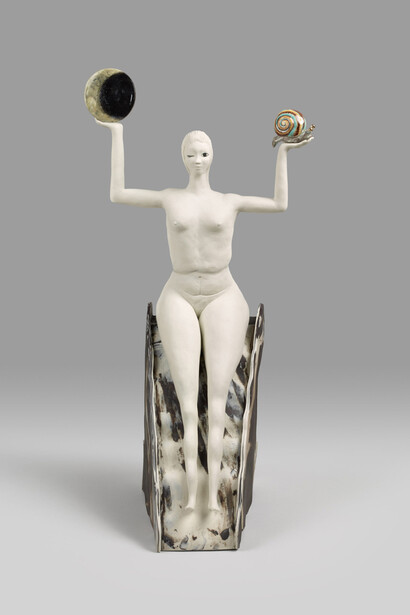
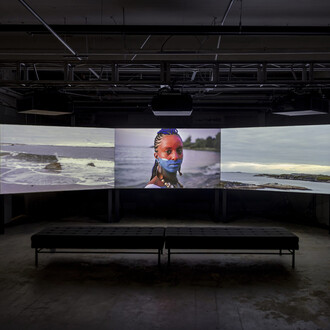
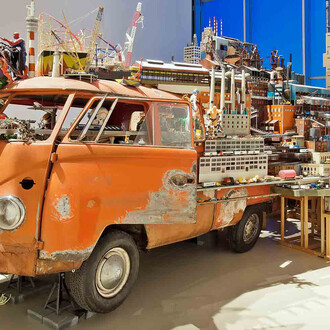
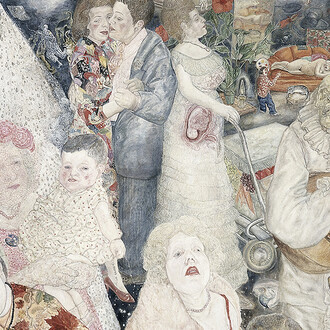
For the first time in Boyle’s thirty-year exhibition history, How We Are presents a survey of her socio-political artworks. Created by the artist to reveal and comprehend the most harrowing complexities of our time—gendered violence, white supremacy, colonialism, war, authoritarianism, extinction, censorship, and on. We typically encounter these subjects through media, news analysis, and academic literature. That is, words.
But what of narrative images and objects made by hand? Fragile, imperfect, and undeniably human. There is no ‘authority’ to dazzle or diminish us. Instead, the artist’s vulnerability is a gesture of faith and trust, a reminder that care itself is a form of resistance.
Boyle seeks a way to better understand our systems and tendencies, while acknowledging our failures and harms honestly and with grace. Spending time with something crafted with deep personal care counters our disposable habits of scrolling, swiping, and erasing. It creates a reciprocal commitment between artist and viewer to think and feel together. It is an antidote to isolation.
In this way, Boyle’s practice draws our attention to urgent yet quietly normalized social and political ills, inviting us toward a collective turning. By lifting us beyond the confines of the everyday, she opens spaces where wonder might coexist with inquiry—where respectful conversation can deepen into a personal reckoning with our beliefs and unspoken longings.
Somewhere within these imagined terrains lie the dreams of better selves and more just societies. And woven through them all is a reminder of our place within something bigger, more intricate, and far greater than any one of us is alone.