English
 Español
 Français
 Deutsch
 Italiano
 Português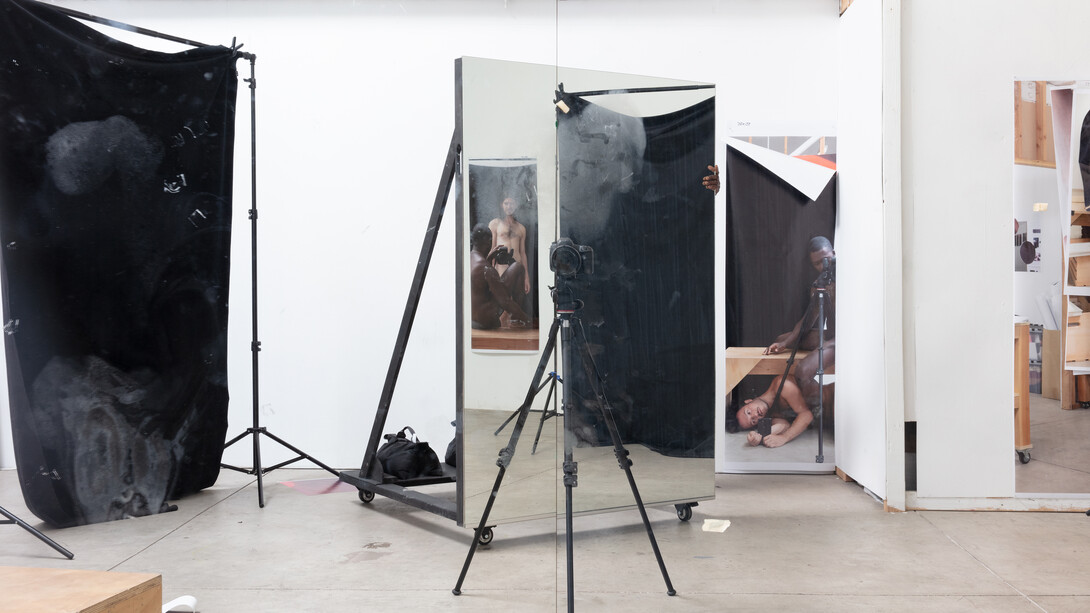
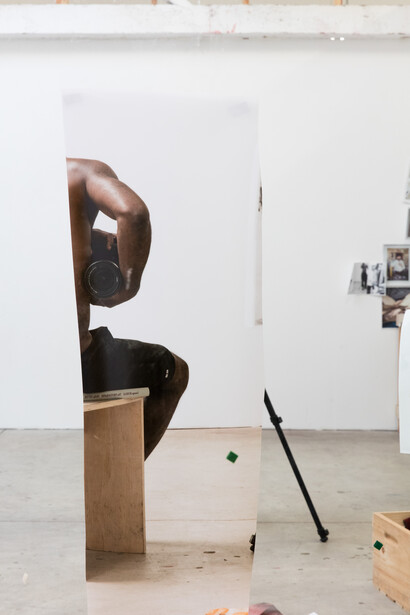
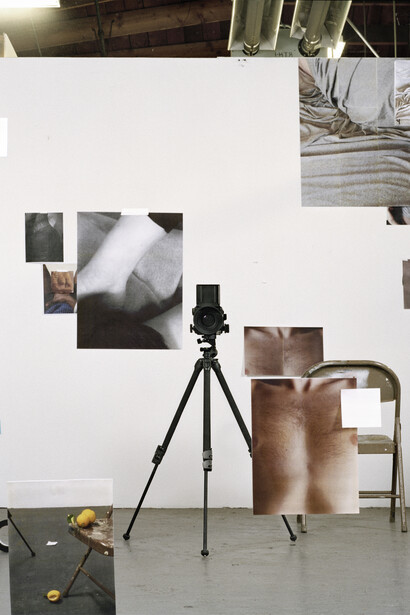
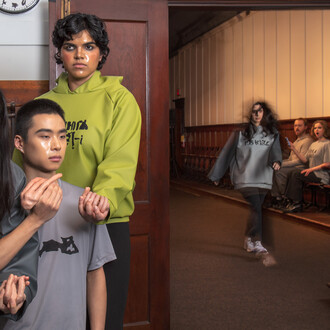
In his portraits and studio photographs, the US artist Paul Mpagi Sepuya blends sensual intimacy with visual precision. Working within the studio’s protected, private space, he constructs layered compositions through encounters with people from his creative and queer communities. By laying bare the act of photographing, Sepuya draws viewers into a sensuous tension between looking and desire.
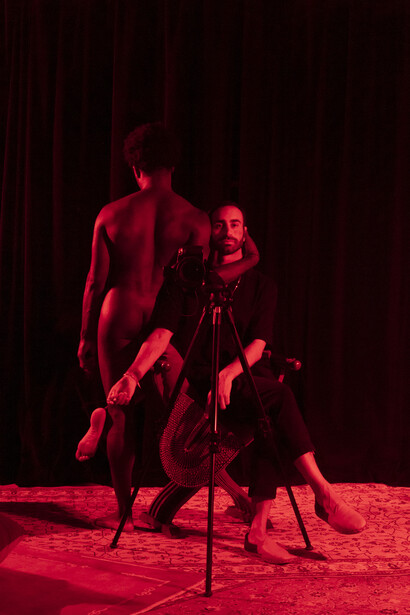
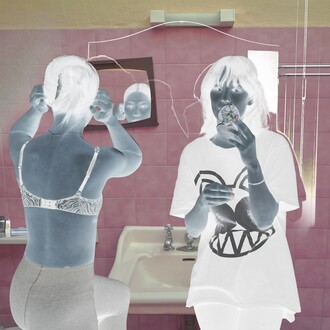
Paul Mpagi Sepuya (b. 1982) is known for the distinctive visual arrangements he creates in his studio, shaped through intimate encounters with friends, lovers, and close companions. His works insist on a queer and Black subject position in photography, without ever fully yielding to the gaze. Through the deliberate placement of mirrors, fabrics, and studio props, Sepuya stages an interplay of exposure and concealment: bodies and gazes are reflected, refracted, and fragmented; multiplied and woven into new configurations. Nothing is altered in post-production: each photograph is carefully composed in the studio and captured as a single exposure.
Sepuya places bodies, gazes, and objects into a dynamic web of relations. His photographs are not made in isolation, but through friendships, encounters, and shared working processes. The studio is therefore not merely a site of photographic production, but a social space. In this way, Sepuya unsettles the conventions of portrait photography while continually renegotiating the conditions under which photographic visibility is produced. The camera, so often visible within the frame, ultimately redirects the gaze back towards us, drawing viewers into an artistic vision that tactically navigates – and subtly shifts – dominant norms and visual regimes.
Fotomuseum Winterthur is presenting Paul Mpagi Sepuya’s first major solo exhibition in Switzerland. Bringing together both early and recent bodies of work alongside extensive ephemera drawn from the artist’s personal archive, the exhibition unfolds across three spaces: Studio, Archive, and Dark Room. The exhibition is organised in collaboration with Sprengel Museum Hannover and co-curated by Christopher A. Nixon for Fotomuseum Winterthur.