English
 Español
 Français
 Deutsch
 Italiano
 Português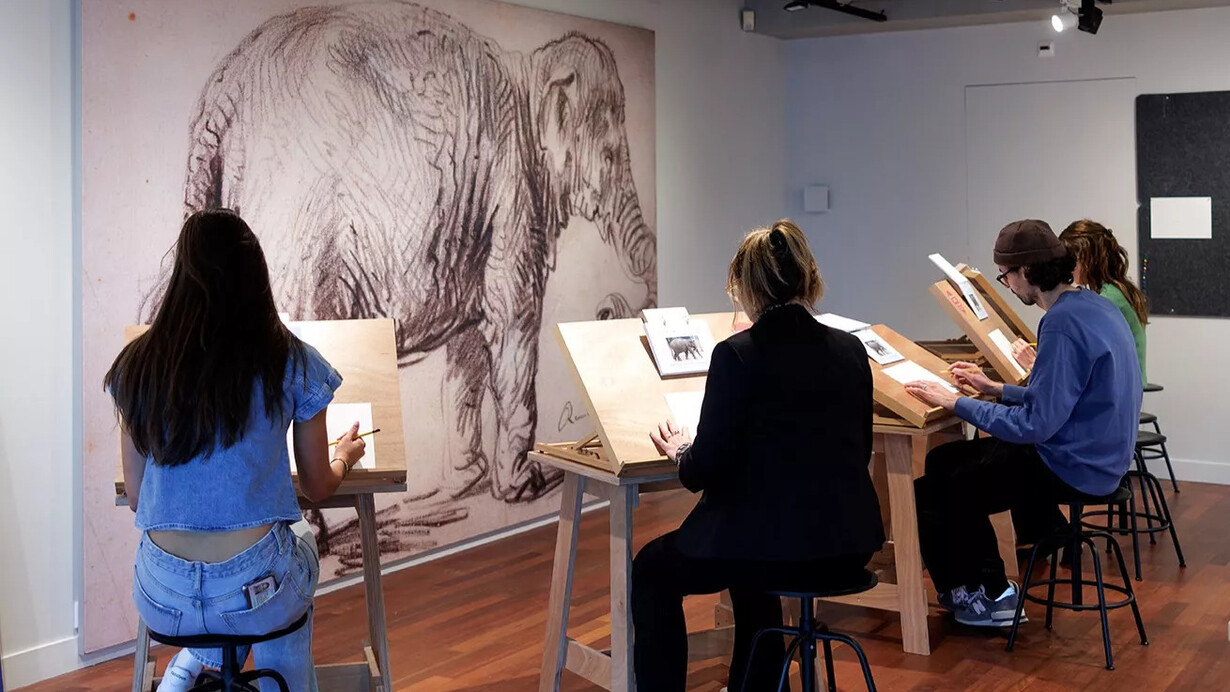
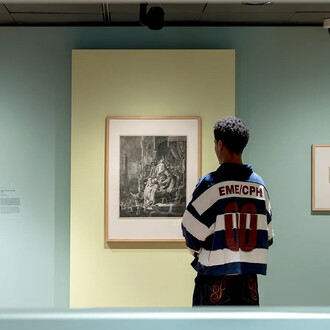
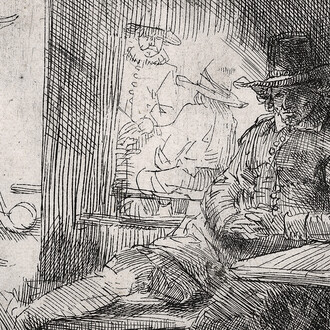
Rembrandt is one of the greatest artists ever. How did he become so good? The exhibition Rembrandts masterclass focuses on Rembrandt’s craftsmanship, his technique and his tactics. Discover his best tips and tricks. Whatever kind of creator you are, you can learn in five Masterclasses: Looking, Technique, Emotion, Experimenting and Selling.
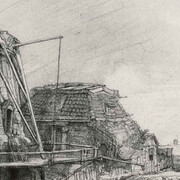
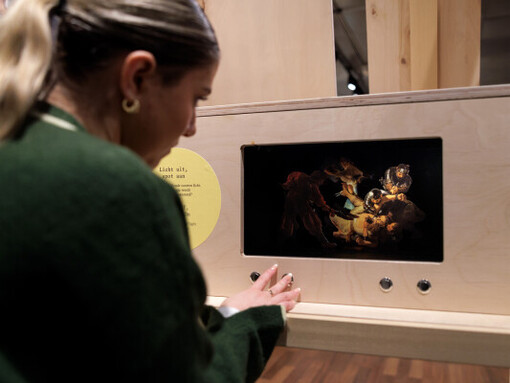
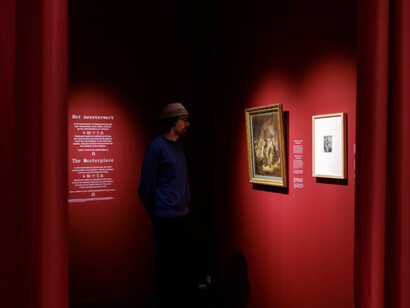
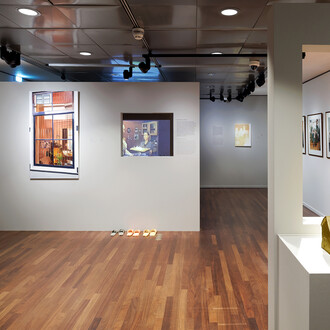
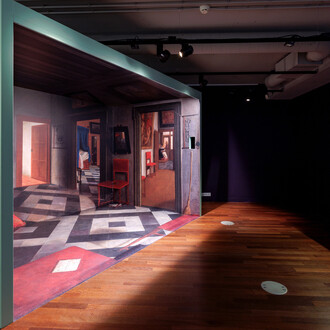
The exhibition features etchings, paintings and a drawing by Rembrandt. But you can also get creative yourself: draw an elephant, try to recognise a real Rembrandt, practise posing for a self-portrait, and much more. You will be challenged to look, draw, experiment and analyse just like Rembrandt.
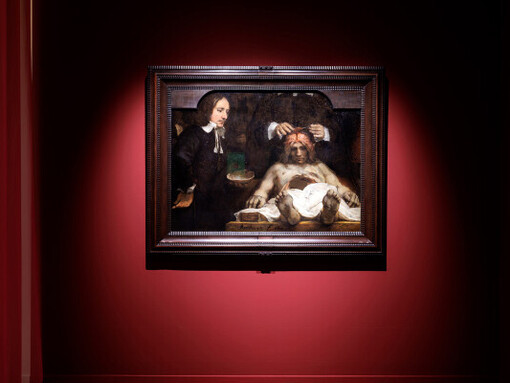
At the end of the exhibition, you will come face to face with one of Rembrandt’s masterpieces: the painting The anatomy lesson of Jan Deijman. In a slow watching room, you will discover step by step how this work of art brings together everything that Rembrandt was so good at. Fun for young and old!
Five masterclasses
In the Masterclass Looking, you will learn that Rembrandt looked at things closely and for a long time. This allowed him to examine how they were constructed. Drawing helped him to do this. In various practical elements, you will learn to look like Rembrandt and make your own drawing of an elephant.
In the Masterclass Technique, you will discover all kinds of techniques that Rembrandt used to create a painting. He applied paint with thick strokes and sometimes even scratched the paint with the back of his brush. He hides nothing. In the exhibition, you will go on a journey of discovery: how did Rembrandt create his works of art?
The Masterclass Emotion is about feeling. People often find Rembrandt’s works of art moving. This may be due to a small detail, such as an angry hand gesture or a sad look. In this Masterclass, you will practise portraying emotions in order to touch people’s hearts.
In the Masterclass Experimenting, you will discover that Rembrandt also made mistakes sometimes. And then he improved himself. He tried and experimented a lot. Be inspired by Rembrandt to become the best, whatever kind of creator you are.
The Masterclass Selling is about how Rembrandt became so famous. This was partly due to his self-portraits. Because when your face is familiar, you become famous too. Learn how you can apply Rembrandt’s tips and tricks yourself.
Masterpiece temporarily on display at the Rembrandt House Museum
The exhibition ends with a slow watching room. Here you come face to face with one of Rembrandt’s masterpieces: the painting +The anatomy Lesson of Jan Deijman* (1656). The painting was partially destroyed by fire: only the centre section remains. But even that part is moving and fascinating. Everything Rembrandt was good at comes together here: observation, technique, emotion, experimentation and salesmanship. With the help of an audio tour, among other things, you will discover step by step why this is a masterpiece.
The painting, which is owned by the Amsterdam Museum, currently undergoing renovation, is coming to the Rembrandt House Museum especially for Rembrandt’s Masterclass. This is the third time that the museum has offered a slow watching experience with a painting that Rembrandt made in his studio.
This painting is on loan from the collection of the Amsterdam Museum, which, due to renovation, temporarily has no place to tell the complete story of the city.
There will always be a painting by Rembrandt in the Rembrandt House Museum
In the coming years, a painting by Rembrandt will always be on display at the Rembrandt House Museum. It is a sketch that Rembrandt made in oil paint in preparation for an engraving. This fulfils a long-cherished wish for the Rembrandt House Museum. The painting has been part of the Rijksmuseum’s collection since 1946 and was purchased at the time with the support of the Rembrandt Society. Prior to that, it was part of various famous collections, including that of Rembrandt’s well-known pupil Ferdinand Bol.
The painting will first be shown as part of the exhibition Rembrandt’s masterclass. This was made possible thanks to a generous gesture by the Rijksmuseum as lender and financial support from Vereniging Rembrandt (thanks in part to its Fonds Fusien).