English
 Español
 Français
 Deutsch
 Italiano
 Português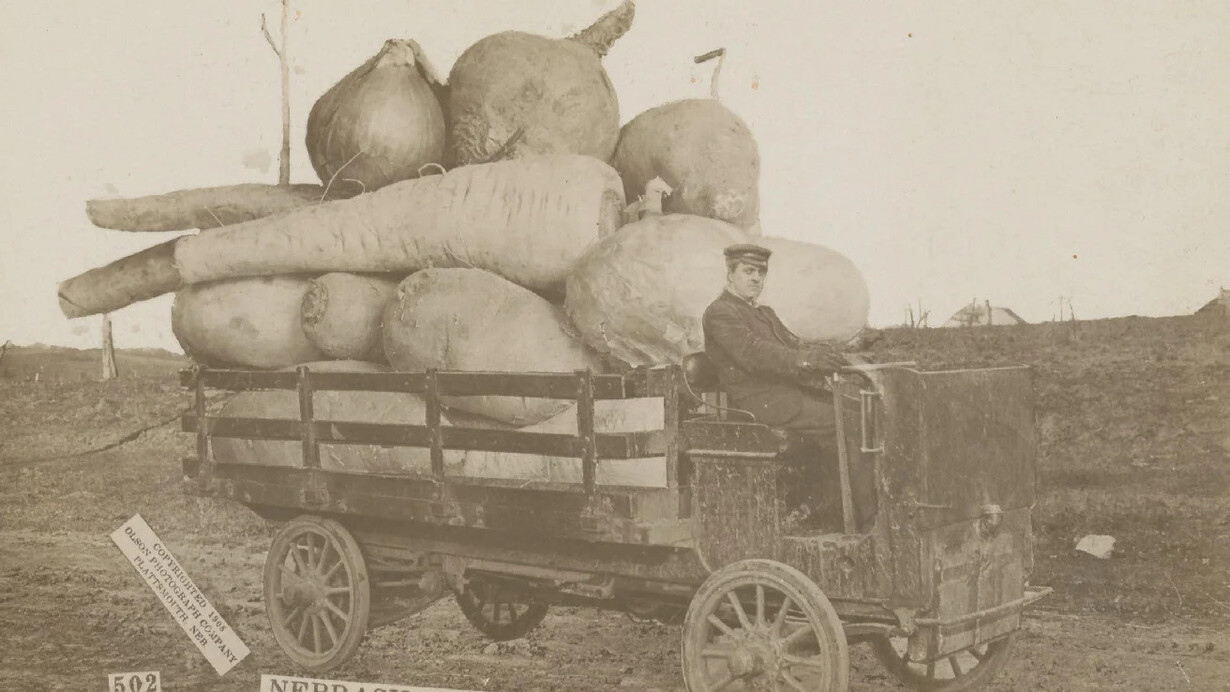
At a time when AI is becoming increasingly sophisticated, you may ask yourself: when is a photograph real or fake? Yet images have been manipulated, often with surprising ease, since the very beginnings of photography. In Fake! you will explore 50 historical images from our collection that reveal creative and deceptive visual illusions.
No Photoshop, just scissors and glue
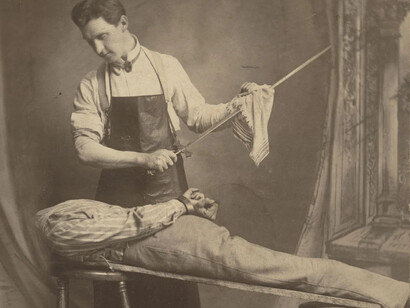
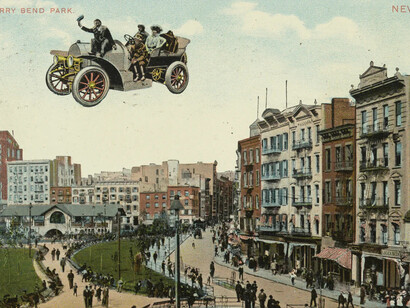
Photographers started cutting, pasting and drawing on photographs to create photocollages and photomontages as early as 1860. Fake! traces the development of their creative techniques right up to 1940. Digital tools like Photoshop didn’t exist back then, so everything was done by hand. Using only scissors, glue, ink and pencil, they created images that were humorous, strange or completely impossible. Some of the pictures are clearly fantastical, while others only reveal how they were made upon closer inspection.
What are photocollages and photomontages?
Photocollages and photomontages may look similar at first glance, but do you know the difference? A photocollage is created by cutting out images and pasting them together into a single composition, while a photomontage combines multiple photographs into one image, which is then re-photographed and printed.
A century before AI, fake photos were already lying to us.
(Leslie Katz, Forbes)
From funny scenes to political messages
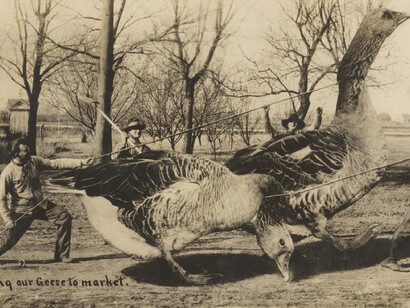
Some of the images are amusing and over-the-top, like the scenes with gigantic animals and vegetables created by the Martin post card company and the Olson photograph company. Others, such as the works of John Heartfield, address social and political issues, conveying a more serious message. Heartfield is well-known for his sharp critique of the Nazi regime. Fake! shows how the same techniques could be used to deliver both humour and social commentary.