
 English
 Español
 Français
 Deutsch
 Italiano
 Português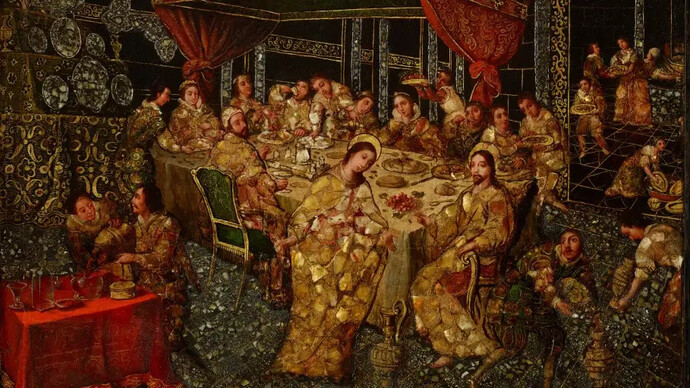
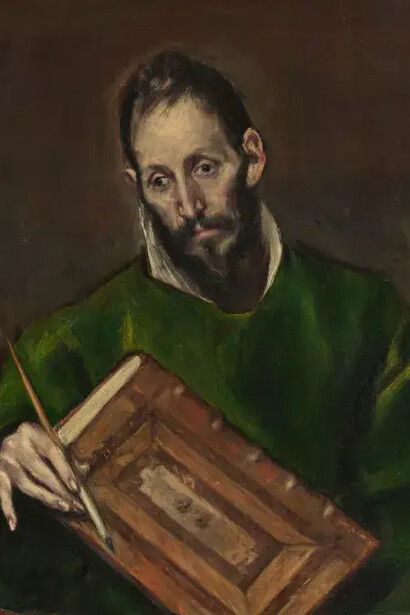
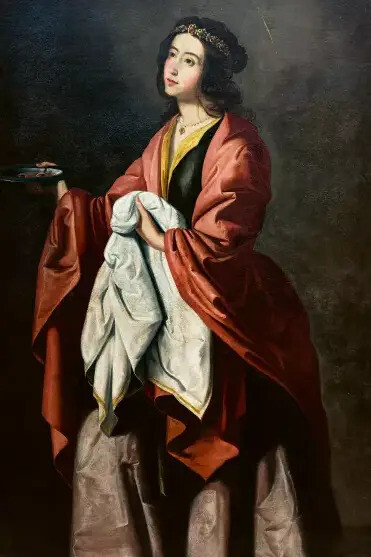
In spring 2026, the Musée Jacquemart-André, in collaboration with the Hispanic Society of America (New York), will be showcasing Hispanic Baroque art. The exhibition will offer the public the opportunity to admire some forty works from the prestigious American institution, brought together in France for the first time, including paintings by the great masters of the Golden Age such as Velázquez, El Greco, and Zurbarán.
The spanish golden age
Spanning from the early 16th century to the late 17th century, the Golden Age corresponds to the economic, artistic, and literary heyday of the Spanish Habsburg monarchy (1516-1700). With a flourishing colonial empire and political and cultural influence spanning much of Europe and extending to the Americas and Asia (the Philippines), the Kingdom of Spain experienced a period of extraordinary artistic vitality. This period was marked by successive reigns of sovereigns whose royal courts acted as patrons and sponsors of the greatest artists. Between the late Renaissance and the full flowering of the Baroque, Spanish artistic production was distinguished by its expressive intensity, its profound spirituality, and its taste for the exaltation of form.
Hispanic baroque
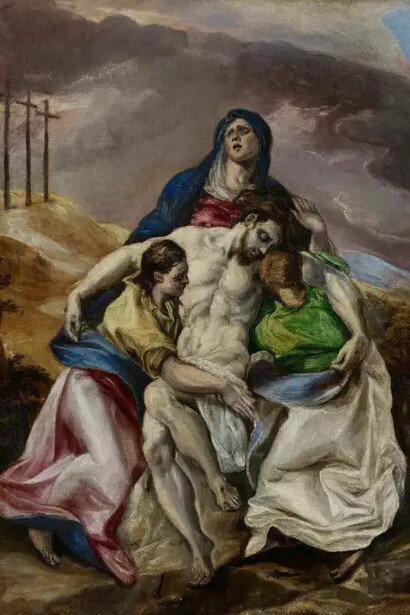
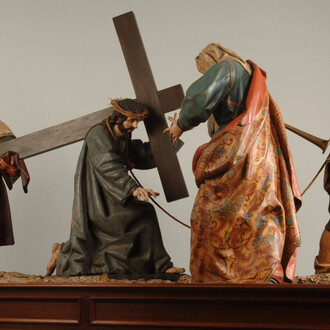
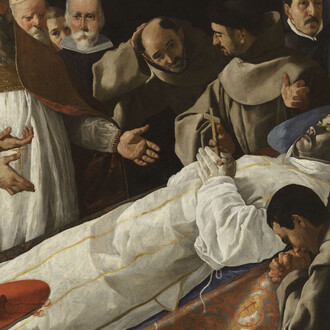
At the crossroads of Italian and Flemish influences, but also nourished by discoveries and exchanges from the newly conquered American territories, Spanish art of the Golden Age is characterized by remarkable aesthetic and thematic richness. This production constitutes one of the most unique chapters in Western art history, although it is proportionally underrepresented in French collections. Artists from all over Europe, such as El Greco (1541-1614) and Antonio Moro (c. 1520-c. 1577), contributed to the renewal of Spanish painting, infusing it with innovation and vitality. Spain thus became fertile ground for the Baroque style to flourish. This term, derived from the Portuguese barroco, originally referred to the shape of an irregular pearl and is characterized in art by abundant, theatrical, and triumphant forms aimed at seducing the senses. Francisco de Zurbarán, Juan Carreño de Miranda, Bartolomé Esteban Murillo, and Matteo Cerezo are among the masters of this period.Spanish painting excelled particularly in the genres of portraiture and religious themes. These religious subjects, imbued with the spirit of the Catholic Counter-Reformation, glorified history, devotion, and sacred dogmas in an expression that was both visually eloquent and intensely spiritual. Spanish portraiture reached its peak with Velázquez, who revitalized old formulas to the point of revolutionizing the genre. His Portrait of a Young Girl (c. 1638-1642), featured in the exhibition, perfectly illustrates this ability to give his models a striking presence. A work by John Singer Sargent provides a counterpoint, testifying to the lasting influence of the man Manet called “the painter's painter.”
The hispanic world beyond Europe
The exhibition also includes major works by 17th- and 18th-century artists who were active in or originated from Latin America. Heirs to the great Spanish pictorial tradition introduced after the conquest of the “New World,” these painters successfully combined Western influences with local techniques and traditions. This fusion gave rise to a unique and remarkable body of work—still very rarely shown in French museums—which the exhibition will offer a valuable presentation of.
![Mary Cassatt, Fillette dans un fauteuil bleu [Enfant dans le salon bleu] (detail), 1878. Courtesy of Musée d’Orsay](/attachments/3ddcf3630b2e6b21d055a8488350d949784be8fa/store/fill/330/330/9b97dc5b17cad42577b6453f0968e961b1231ceb2b8b5ceb2c09057b2695/Mary-Cassatt-Fillette-dans-un-fauteuil-bleu-Enfant-dans-le-salon-bleu-detail-1878-Courtesy-of.jpg)