English
 Español
 Français
 Deutsch
 Italiano
 Português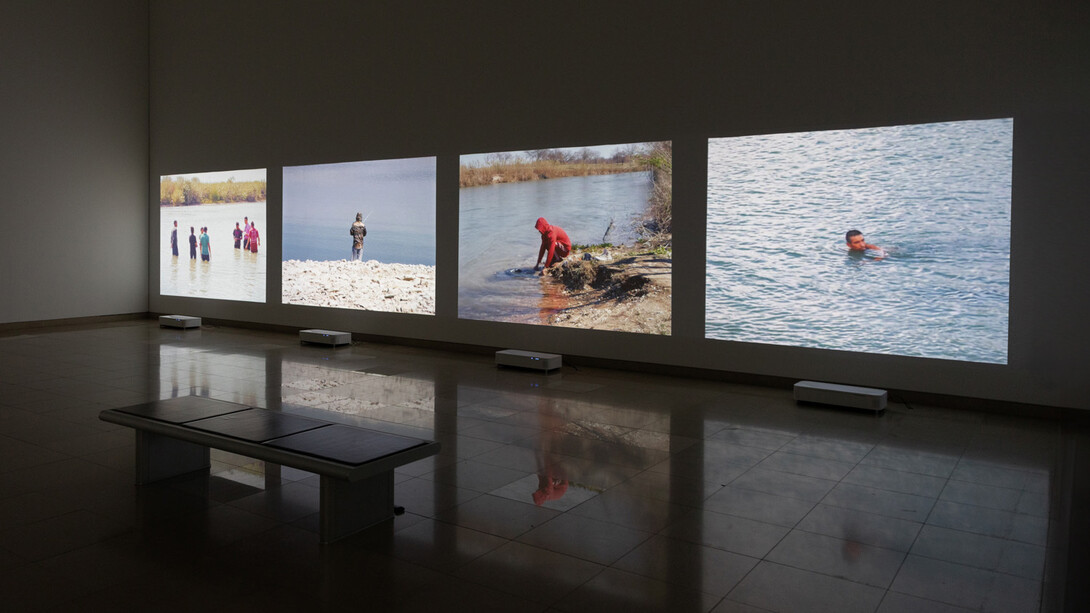
Felipe Romero Beltrán’s artistic projects are largely based on the exploration of social issues, playing on the tension that new narratives can introduce into the field of documentary photography. Romero Beltrán’s approach is characterised by his commitment to long-term projects requiring meticulous research.
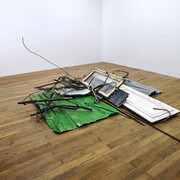
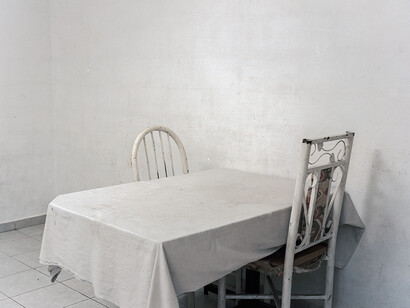
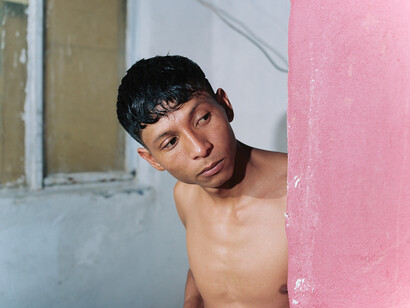
The exhibition at Carré d’Art - Museum of Contemporary Art will present the Bravo project, which is set in the liminal space of the Rio Bravo, a site where identity and geography intersect. Focusing on a 270-kilometre stretch of the river, Romero Beltrán’s Bravo constructs an elusive visual narrative in which the river itself becomes a silent protagonist, shaping the lives of those who approach it, but rarely appearing in the frame. Through stripped-down portraits, austere interiors, and marked landscapes, Bravo captures the suspended time of the landscape as his subjects wait, sometimes for years, in the shadow of an uncertain crossing.
Divided into three chapters (Endings, Bodies and Breaches), Romero Beltrán’s impenetrable documentary approach challenges the semiotics of classification, confinement, definition and identification in his visual aesthetic, which reflects the suppressed and controlled notions of identity at the border.
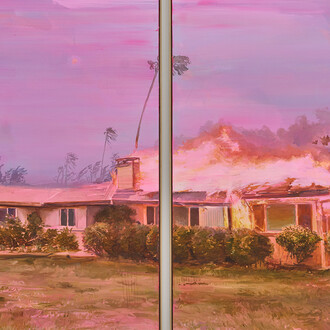
Alongside the photographs, the artist presents the audiovisual work El cruce and elements of the project process. Romero Beltrán develops a visual reflection on the river and shows us five situations that divert and displace its border condition, incorporating other uses and situations related to its dual geographical and political character.