English
 Español
 Français
 Deutsch
 Italiano
 Português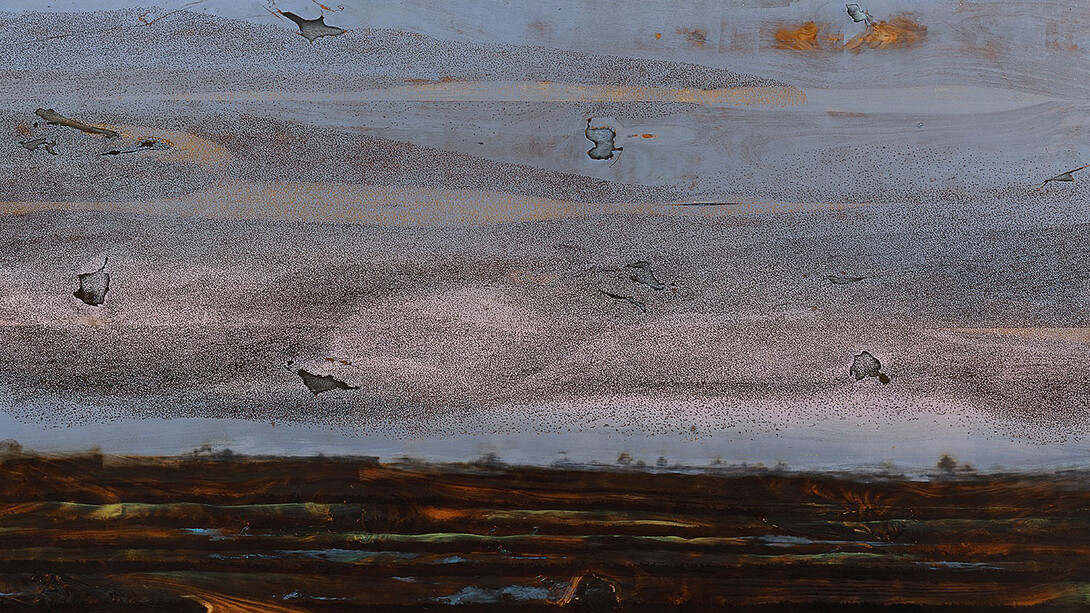
How do artists translate memory as both an ephemeral trace and a lasting imprint? Memory keepers brings together Debashish Paul, Élodie Alexandre, Hasan Ali Kadiwala, Moumita Basak, and Sudipta Das whose practices approach memory not as a fixed record, but as lived experience reshaped, questioned and carried forward. This show also features artists showing at Sakshi Gallery for the first time: Debashish Paul, Hasan Ali Kadiwala and Sudipta Das.
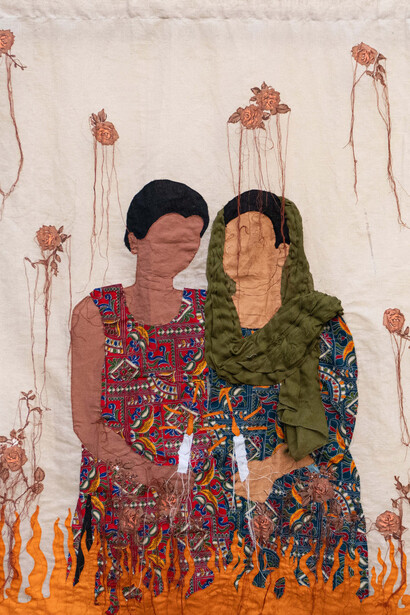
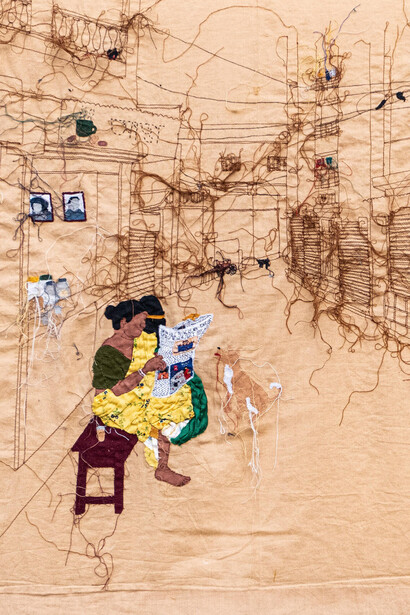
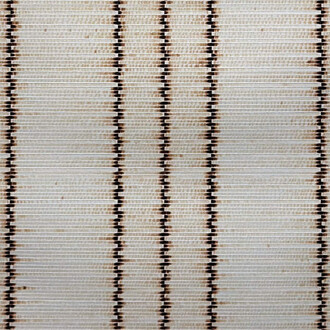
Working with textile, Moumita Basak draws from a personal reservoir of memories rooted in her upbringing in Srirampur, West Bengal, navigating womanhood amid restrictive societal structures. Her recollections surface through non-linear narratives that often situate the self within landscapes where the natural world becomes a site of sanctuary, solitude, and reflection. A sense of place also surfaces in Hasan Ali Kadiwala's works of his hometown in Siddhpur, Gujarat, transforming quotidian moments into lyrical scapes. Here, memory is inseparable from place; hues of pink and light blue drawn from local architecture create a rhythmic, poetic sensibility.
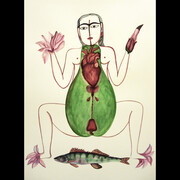
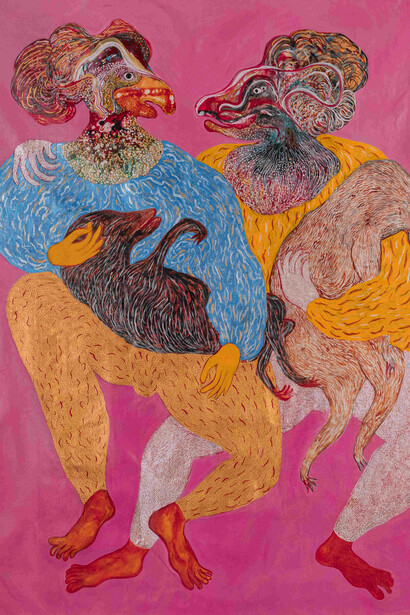
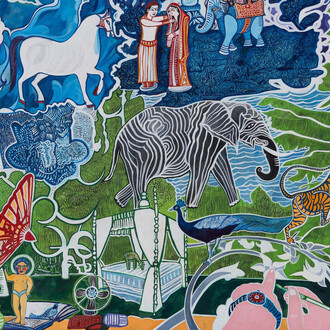
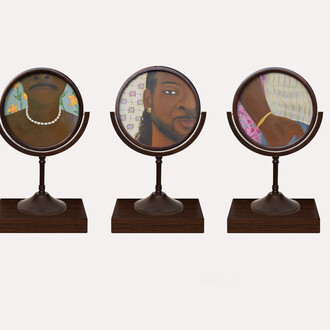
Embodied memory becomes a central thread, where the body registers both physical and emotional experience. Élodie works translate sensations of discomfort, vulnerability, and endurance into material presence. In Debashish Paul's practice, body, identity, and landscape coalesce into a fluid terrain of exploration, where inner states and external worlds continuously mirror and reshape one another.
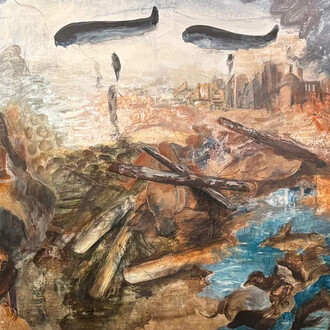
Sudipta Das extends memory into the collective, engaging with inherited and intergenerational histories. Informed in part by narratives of migration from East Bengal to Assam, her practice resonates with the idea of post-memory, where experiences of displacement and loss are transmitted across generations. Working across terracotta and paper, Das creates miniature, doll- like forms that embody both fragility and resilience, bearing witness to communities shaped by movement, rupture, and survival.
Moving between textile, paper, terracotta and performance, memory emerges as personal reflection, embodied action and collective inheritance. Rooted in place, migration, landscape and labour, the works move between the intimate and the intergenerational, considering memory as something continually formed in the present rather than simply retrieved from the past.