English
 Español
 Français
 Deutsch
 Italiano
 Português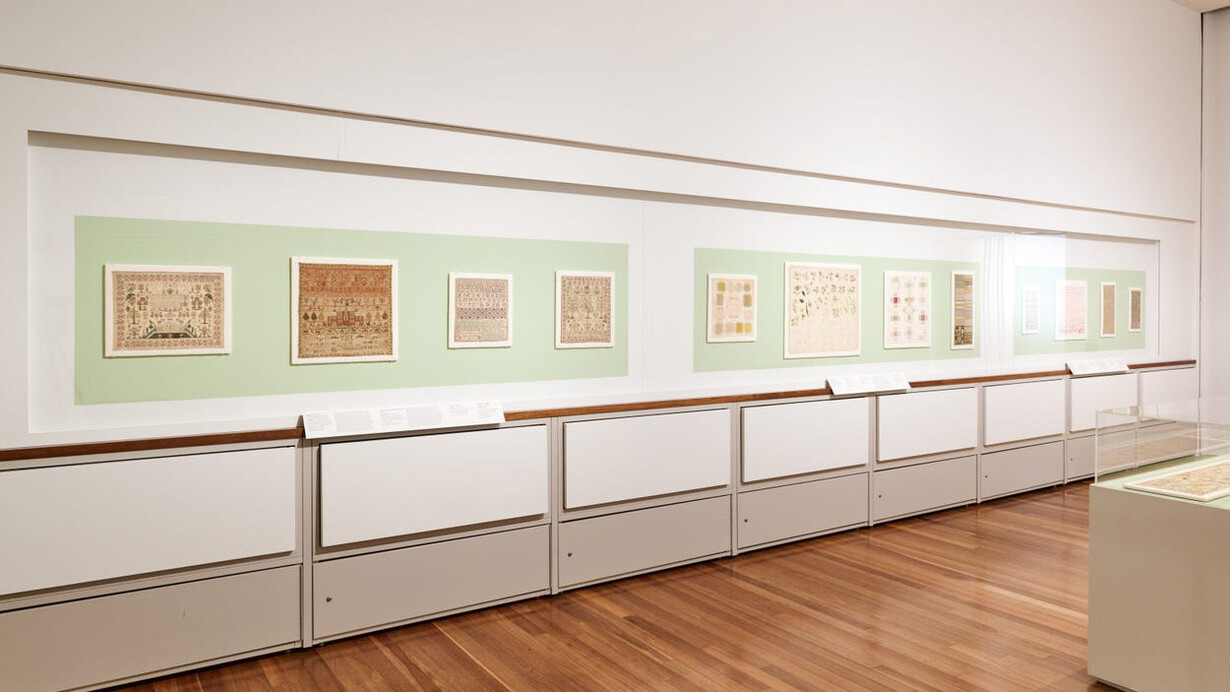
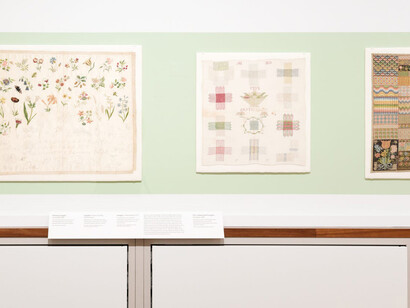
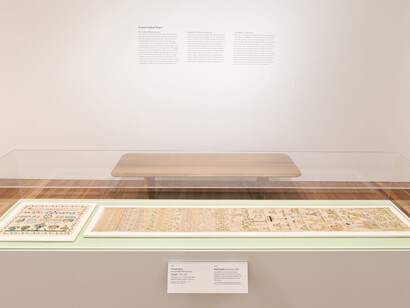
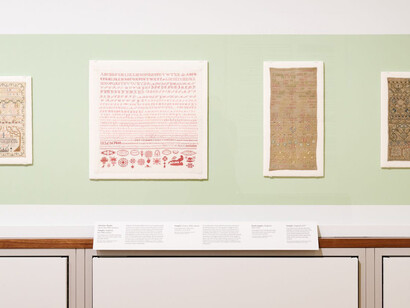
Embroidery samplers, featuring favorite stitches and motifs, have been used to teach needlework skills and literacy since the 14th century. By the 18th century, these textiles were increasingly recognized as works of art in their own right, valued not only for their function but also for their craftsmanship and visual complexity.
This exhibition highlights European embroidery samplers from the 17th through 19th centuries in our collection. Spanning three centuries, the works reveal the richness of textile traditions across different regions, as well as the evolving role of embroidery in domestic, educational, and cultural life.
Through a close look at the samplers’ materials, techniques, and designs, Embroidered histories explores the economic, political, and social developments that shaped Europe during this period. In doing so, the exhibition invites viewers to consider these delicate textiles as historical documents—carrying personal stories while reflecting broader transformations in society.