English
 Español
 Français
 Deutsch
 Italiano
 Português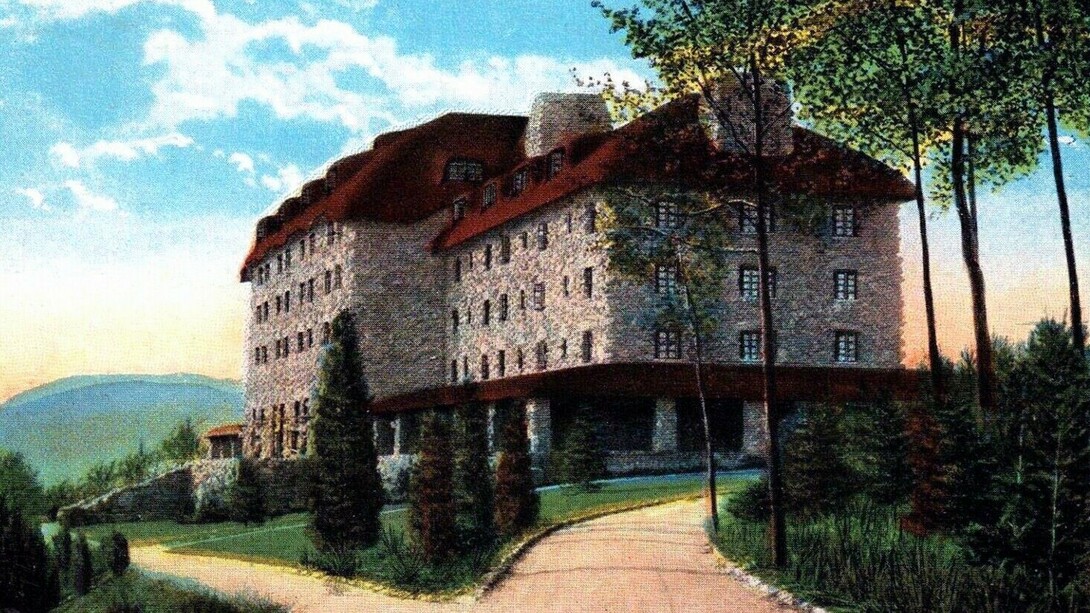
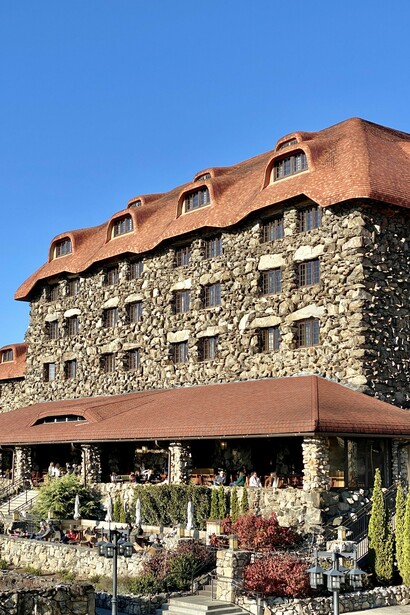
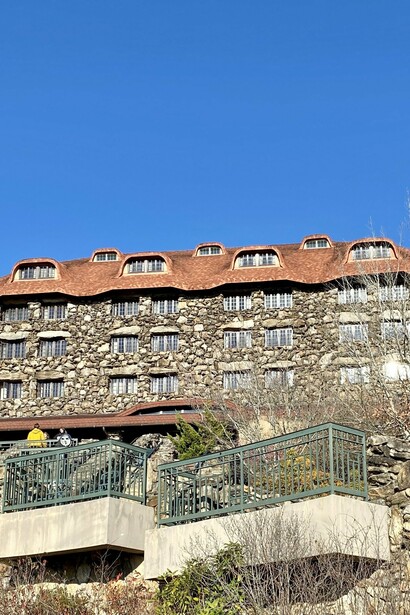
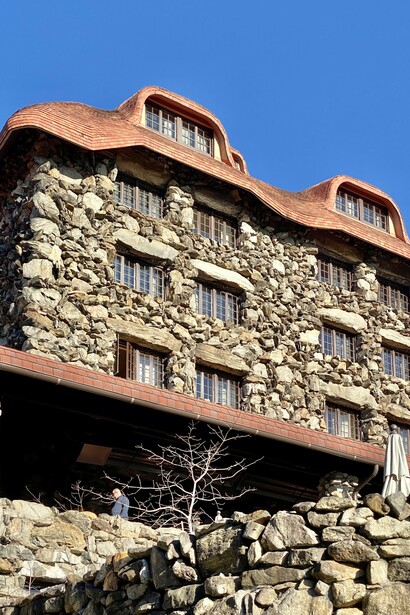
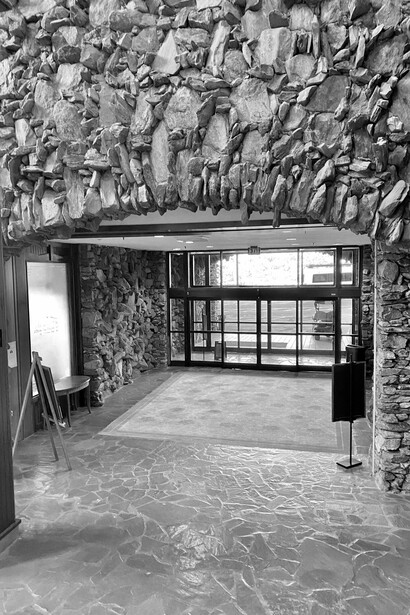
Built of stone and tucked away in the bending hills of the Appalachian Mountains, The Grove Park Inn has long been a destination for those looking to unplug and recharge. Nestled among trees on Sunset Mountain, the resort’s architecture feels almost geological, like it has sprouted organically from the landscape itself. Completed in 1913 using granite boulders sourced from the surrounding Blue Ridge Mountains, the Inn embodies the philosophy of the Arts and Crafts movement: harmony with nature, craftsmanship, and simplicity of form.
The Grove Park Inn began as an idea of Edwin Wiley Grove, a St. Louis-based entrepreneur who made his fortune selling tonic. Diagnosed with an illness, Grove was drawn to Asheville’s mountains and air, which were thought to be a cure-all for certain diseases. The hotel opened in 1913 and drew visitors from all over. With its granite façade, red clay roof tiles, and wide porches overlooking the mountains, it’s a shining example of the Arts and Crafts architectural movement.
The hotel’s largest restaurant, Sunset Terrace, was designed to appeal to the wealthiest Asheville visitors in the early 20th century. A great place to sip wine after a game of golf or after walking around the grounds, be sure to request a seat on the terrace for a sprawling view of the Blue Ridge Mountains below. Built with the same stone as that of the hotel’s façade, the terrace overlooks the rest of the resort, including the golf course, as well as the mountains and skyline of Asheville. Given its name, it’s no surprise that sunset is a perfect time to stop by.
Besides the dining establishments and places to grab a cocktail, the hotel also features luxury amenities. Just situated below the resort on the hill is a Donald Ross–designed golf course with views of the mountains. Below the hotel is a popular 25,000-square-foot subterranean spa with stone grottoes and waterfalls, offering top-notch offerings including massages and body treatments. A heated outdoor pool is popular in both the summer and the winter.
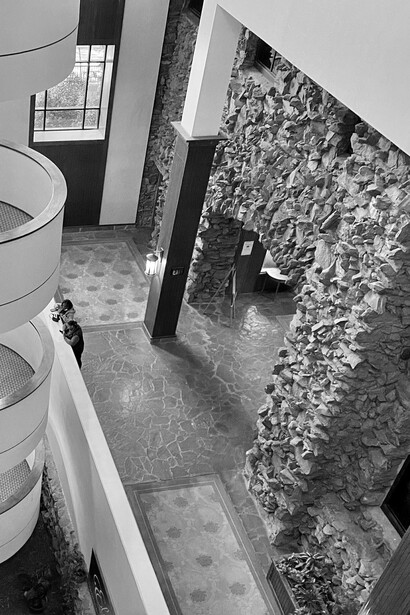
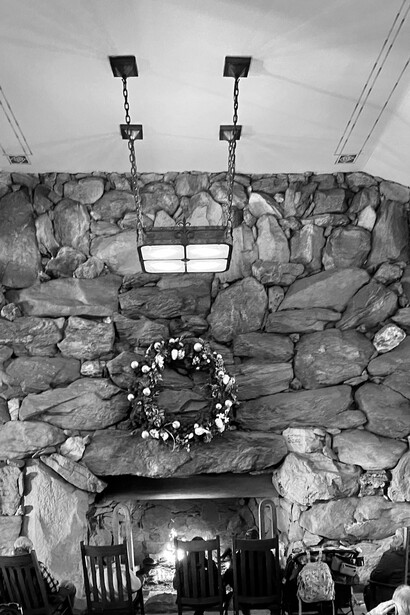
Today, the Western North Carolina resort welcomes guests from all over the world to its sprawling lobbies and restaurants, outfitted with fireplaces to maximize coziness. A Great Hall offers cocktails with a view of the Blue Ridge Mountains, while a golf course and pool give the resort a country club appeal.
Because of its location, nestled in the Blue Ridge Mountains, the resort is close to plenty of outdoor activities. Many visitors opt to take a car to the nearby Blue Ridge Parkway, one of America’s most scenic drives. The miles-long road offers plenty of pull-off stops with hikes, restaurants, and more. Two of the most popular stops are Craggy Gardens, a brisk hike featuring rare plants, native rhododendron, and twisted trees, or Mount Pisgah, which features a summit hike and cozy lodge.
Listed on the National Register of Historic Places, The Grove Park Inn is a building that has witnessed the changing history of the region for over 100 years. Over the century, the hotel was established as Asheville went from a small mountain town to a larger tourist destination. The inn has hosted a number of important historical figures, including Thomas Edison, Henry Ford, Harry Houdini, and ten American presidents.
The hotel also has an intriguing literary history. Perhaps most famously, the inn was a temporary home for American novelist F. Scott Fitzgerald in the mid-1930s while he recovered from tuberculosis. His wife, novelist Zelda Fitzgerald, was in Asheville at the time, undergoing psychiatric treatment. The hotel has kept one of the rooms the Fitzgeralds stayed in almost exactly the same, and guests are invited to book it overnight. Although it’s often rumored that F. Scott Fitzgerald wrote books at the hotel, it’s more likely that his time spent there didn’t result in any of his most famous novels. Instead, he was known for overindulging and causing a ruckus.
As a place of inspiration, many more writers and artists have visited the inn to work on their art. In 2024, the Grove Park Inn became the setting for writer Joy Callaway’s novel What the Mountains Remember, and in 2020, it was the setting for Annette Clapsaddle’s Even As We Breathe.
Located just a five-minute walk from the inn is the Grovewood Gallery, established in 1992 as a place where artists display and sell their works to visitors and collectors. The gallery originally began in the 1920s when Biltmore Industries was established, an enterprise founded by Edith Vanderbilt that organized and taught artists American crafts and textile work. These artists worked on weaving and woodworking operations, and a century later, the same types of American crafts-style art can be found in the gallery.
The Grove Park Inn is a magnificent time capsule of early 20th-century style and is a testament to American leisure and early wellness trends. While today you can enjoy a massage and pampering with up-to-date techniques and products, you can also golf, swim, or enjoy a book on the patio, breathing in the mountain air that was said to contribute to one’s health. In an era where so many resorts chase the latest trends, The Grove Park Inn endures by celebrating what never goes out of style: craftsmanship, nature, and the enduring inspiration of the Blue Ridge mountains.