English
 Español
 Français
 Deutsch
 Italiano
 Português
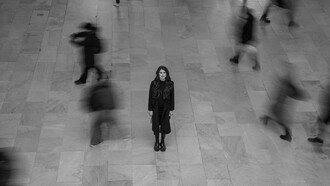
Modern society today is embedded within a system of rampant productivity, particularly heavily influenced by capitalism and mass production. This hustle culture is not only a collective mentality but also a concrete practice of interruptive production and high performance. This mindset distorts the human perspective on work and self-ability, transforming us more into machines than individuals. Our value is intrinsically linked to our capacity for production and generating results. In other words, we are conditioned to believe that the more, the better. The more I work, produce, and contribute, the greater my value as an individual to society will be.
The emphasis on excess, excessive self-criticism, a focus on quantity, a competitive environment, and neglect of health are leading more and more people to feel physically and mentally exhausted. The burnout and mental health problems caused by this philosophy lead to a drop in productivity and a loss of purpose in people, transforming us into a workaholic and unhealthy society. This way of thinking is so ingrained in our lives that the idea of doing nothing, or not producing anything, is seen as something extremely bad. That's where the feeling of guilt comes from when we're not doing anything. The feeling of falling behind, of not making progress. Procrastination is viewed as a mortal sin; your value lies in what you produce, not in who you are.
In contrast to this idea of compulsive performance and production, there is another philosophy that advocates contemplation and the appreciation of rest. The famous Italian expression "dolce far niente," which literally translates to "the sweetness of doing nothing," is a lifestyle that dates back to the Italian Renaissance period and persists to this day. This belief centers on the idea of conscious leisure as a fundamental factor for a balanced life. To be able to work and continue producing, it's necessary to slow down and dedicate time to enjoying other aspects of life as well. Without guilt, haste, or regret. It's about being able to stop the hectic work routine and appreciate small moments with family, friends, or even just by yourself.
For Italians, the concept of slowing down and even pausing doesn't represent a waste of time but rather being present. This philosophy promotes psychological well-being, stimulates our creativity, and can even help improve our productivity, since pausing allows for the functional reorganization of our brain. We must normalize this conscious idleness and moments of boredom, especially during the transitional phases of life when we feel lost or without purpose. This pause allows our minds to wander, delve into ideas, redirect ourselves, and gain greater self-awareness.
A classic example of this discussion is the famous movie "Eat Pray Love," starring Julia Roberts. In the film, Elizabeth Gilbert is going through a very turbulent time in her life: she has a very busy work schedule, is recently divorced, and is confused about her upcoming relationships. Seeking to step out of her comfort zone and rediscover herself, Elizabeth embarks on a healing journey to Italy, India, and Bali. While in Italy, the protagonist learns about pleasure without guilt, how to enjoy life again, and the beauty that moments of pause can provide. The film accurately portrays how rest nourishes the soul and that life doesn't always have to be utilitarian to be valuable.
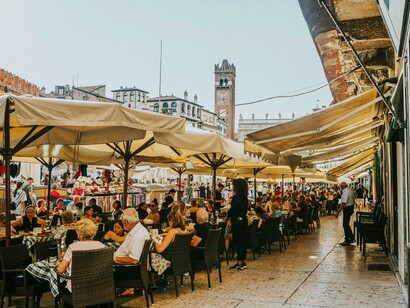
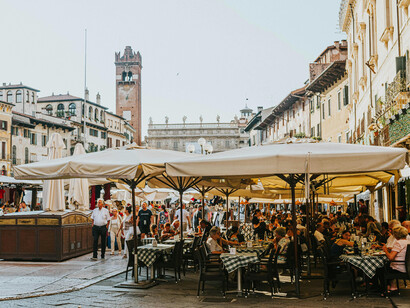
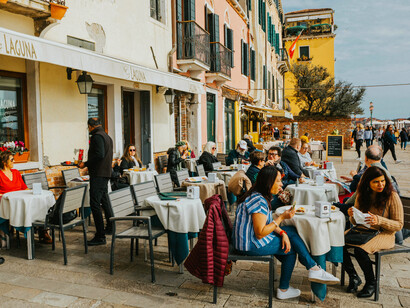
In Italy, this lifestyle becomes quite evident to visitors. There are countless ways to experience il dolce far niente, and for Italians, there are four highly valued and practiced daily activities:
Time for a coffee break: for Italians, coffee is a sacred moment. There’s no rush—just espresso and conversation.
Passeggiata, or a walk: a peaceful walk where people set off without a specific destination, simply to relax and enjoy the surroundings.
Lunch: for Italians, lunch is about savoring food and celebrating together. It’s a long meal, shared with wine and conversation.
Siesta: it is a post-lunch afternoon break. It’s how many Italians rest and recharge.
Certainly, these activities represent Italian reality, and to experience this lifestyle, it is not necessarily mandatory to perform the same rituals. Each individual has their own routine, personal tastes, and hobbies. Il dolce far niente is about changing the pace, not the schedule. Enjoy your meals calmly, without rushing. Short breaks between activities also help, such as taking a moment to observe the weather or the people around you. Transforming a common activity into something more precious, a special breakfast, a candlelit bath, or watering the plants while listening to music. It's about experiencing the small pleasures and details of everyday life. Digital changes are also significant. Spending less time receiving stimuli from cell phones or TV screens helps us to experience the present moment more fully.
Self-evaluation of our routine and of how we use our time and energy is important for our mental and physical health. It's about understanding that life isn't just about work, profit, and material acquisition. Analyzing our lives and priorities is just as important as starting to ask the right questions: At what point did I respect my own pace? When was the last time I enjoyed a meal without distractions? When was the last time I truly felt simple pleasure? How much of my fatigue comes from information overload? At what point did my body ask for a break, and did I listen (or ignore it)?
What am I afraid will happen if I slow down? Where can I be kinder to myself tomorrow?
In an increasingly capitalist, exploitative world, governed by a pathological love of work and unrestrained production, the simple act of doing nothing is seen as a privilege, a gift. We are seeing increasingly younger people with unhealthy and distorted mindsets about life. Taking time to enjoy life's little pleasures has become essential for quality of life in all aspects; simply producing and acquiring no longer signifies a good life status. The Italian lifestyle makes us reflect on what truly matters. Il dolce far niente teaches us the flavor and meaning of life, the simple act of existing.