English
 Español
 Français
 Deutsch
 Italiano
 Português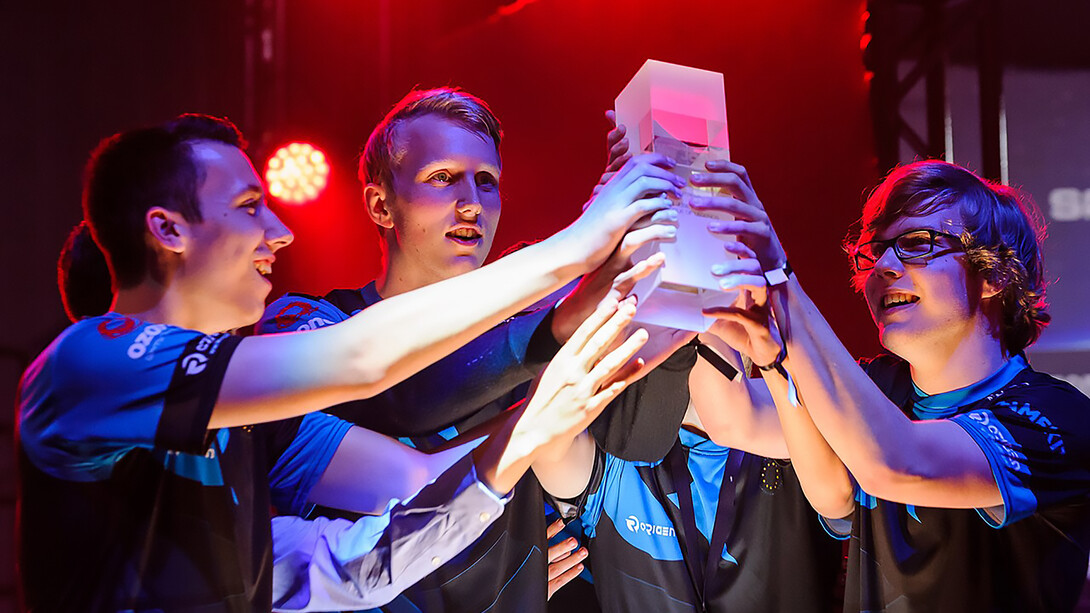
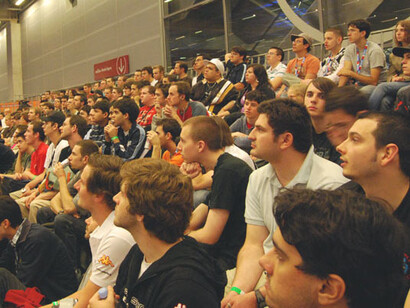
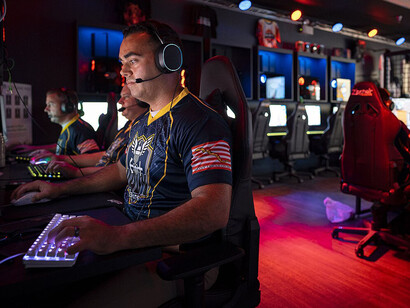
As the years change, sports have seen a decent amount of changes and transformations. While traditional sports have seen traction and continue to dominate and gain even more attention, a new form of sports has also been climbing up the stairs for the same—eSports. Electronic sports, or eSports, involve the competitive running of video games at a professional level. It has also climbed to go international as well. Today, these athletes train for hours, follow strict rules and routines, compete in a fully packed arena, and earn a good amount as a winning prize. However, success is not just achieved with gaming skills alone. It takes a lot of mental strength and practice, and this is where sports psychology takes a role. In the high-pressure world of eSports, the mind also determines victory more than the controller.
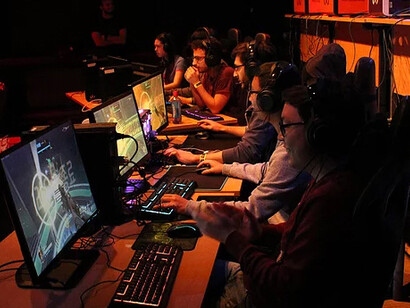
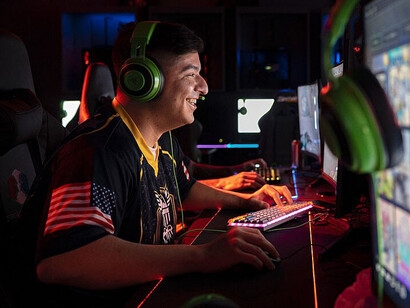
eSports involves competitive video games such as League of Legends, Valorant, CS: GO, Dota 2, and FIFA. Professional players practice up to 10 - 14 hours a day, study strategies, analyze their opponents, and work with coaches and analysts. Despite the misconception that eSports is “just playing games in front of a computer,” it requires quick decision-making, excellent hand-eye coordination, strategic thinking, team communication, and emotional regulation. These skills depend heavily on mental training, making sports psychology essential.
What is the role of sports psychology in esports
Performance under pressure
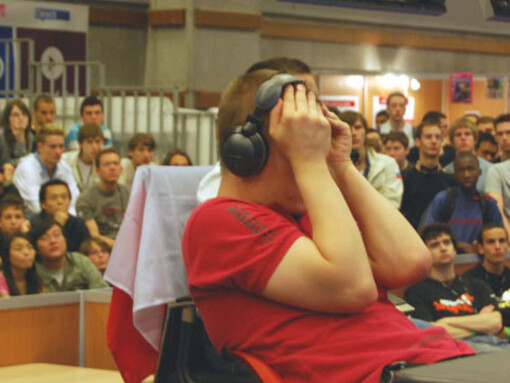
eSports tournaments involve intense pressure, live audiences, millions of viewers online, and high stakes when it comes to playing. Players have to perform perfectly in seconds, and mistakes can cost a lot if there are no backup plans made with quick thinking. Anxiety, fear of failure, or self-doubt can easily disrupt and distract the performer.
Sports psychologists in these cases can help players learn how to manage stress and anxiety, stay calm in crucial moments, maintain that constant concentration while at high-pressure events, and perform consistently. Techniques such as breathing exercises, visualization, and positive self-talk help players remain mentally stable.
Focus and attention, confidence and self-belief
In esports, a single moment of distraction can cost an entire match. Players have to sustain that concentration for long hours and learn to use it without getting mentally fatigued. Confidence is a major predictor of how a person thinks about themselves. When players doubt themselves, there is a possibility of making mistakes; doubting their decisions at that moment can come with a cost of possible loss.
Sports psychologists can train the players in learning various mindfulness techniques, attention control exercises, how to train their brains for higher levels of focus, and how to reduce mental distractions. This can help the players to enter a state where their reactions can become automatic and optimal. They also help in strengthening confidence by building a positive self-image, using past success as motivation, and teaching goal-setting techniques. Confident players tend to take smarter risks, are able to communicate better, and perform consistently.
Emotional regulation, motivation, and burnout prevention
Emotions strongly affect any kind of performance. Getting angry after a mistake, feeling frustrated from losing a round, and experiencing excitement, all without appropriate restraint, can disrupt concentration. And this world of eSports is demanding. It requires a lot of motivation to come back. Long, frequent hours of practice, competitions, and scrutiny can cause mental exhaustion and burnout.
With the help of a sports psychologist, players can learn more about how to get help for better emotional outbursts. What can they do to stay emotionally balanced, quickly recover from their mistakes with less overthinking, prevent tilt, maintain intrinsic motivation, set realistic goals, and have a healthy work-life balance, and prevent overtraining and burnout, and how can they remain composed during wins and losses? Having good emotional control allows players to make rational decisions in need and not get swayed away and make an impulsive reaction. Mental recovery needs to be treated as seriously as physical rest.
Team dynamics and communication
Sports psychologists don’t just work with the individual players but the teams as well. Most eSports are team-based and rely a lot on players maintaining communication and cooperation for effective and successful games. Losing trust, conflicts, and ego clashes can ruin the chances of winning for the team and can ruin the team's performance. Sports psychology can help teams develop strong communication patterns, build trust and unity, resolve conflicts effectively, and create shared goals. A mentally strong team performs better under high pressure than others.
Mental training techniques used in esports
Some of the most common psychological tools that can be used:
Visualization—mentally rehearsing successful gameplay before or during matches, where players try to execute different strategies in their head for possible occurrences that can happen during a match. This helps in creating strategies clearly and reacting quickly in crucial moments.
Goal setting—creating short-term and long-term performance goals helps in maintaining motivation. Setting short-term goals like improving daily performance by a certain standard, whereas long-term goals can guide in achieving discipline to maintain that progress.
Self-talk—it is an internal dialogue that players can have with themselves during practice or the actual game. Helping replace negative thoughts with positive messages can reduce anxiety and improve confidence and decision-making.
Relaxation techniques—breathing exercises and progressive muscle relaxation help in reducing physical tension.
Mindfulness training—improving present-moment awareness helps in staying in the moment, not thinking about the mistakes and distractions, and helps in recovery.
Routine building—creating and consistently using pre-match mental preparation rituals can help prepare to be in a focused mindset and create a sense of control for the athlete.
The future of sports psychology in esports
As esports continue to grow, the role of sports psychologists will also increase. Future training programs could involve having mental coaching as an essential part of training. With increasing competition, having the benefit of being psychologically prepared can give the athletes that edge over others. In the fast-paced environment of the digital arena of eSports, having mental strength can become the needed weapon to succeed.