English
 Español
 Français
 Deutsch
 Italiano
 Português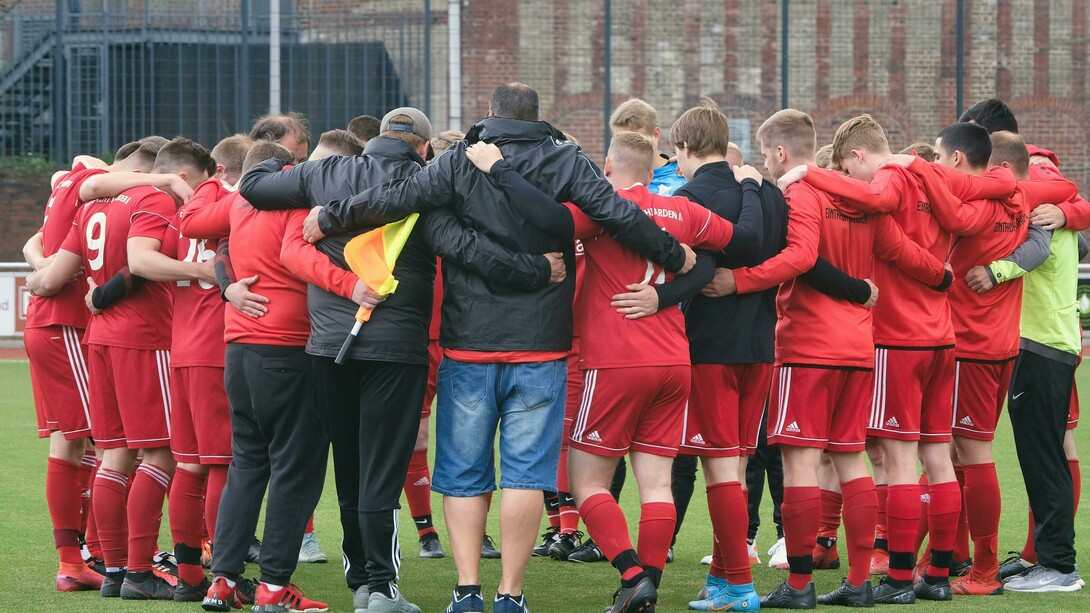
A sports team’s success is often credited to the athletes who train hard and perform under pressure, but behind every strong team is a network of individuals who are dedicated, and their contributions shape the team’s culture and the workforce, helping it to have long-term growth. These individuals work quietly, away from the attention, and create the foundation where a united team is built. These people are beyond the athletes and parents who make a team balanced and successful.
The base that builds a team
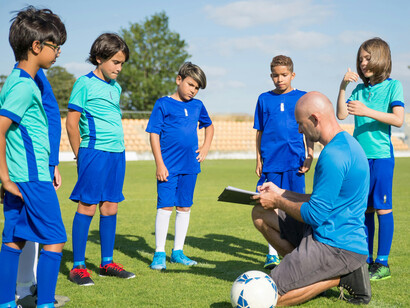
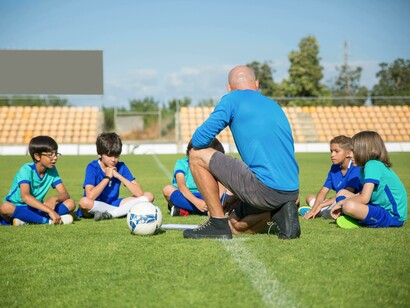
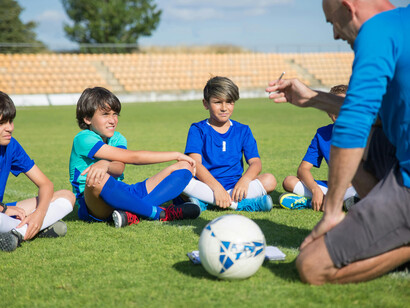
Coaches are the primary architects of a team’s identity. They develop strategies, teach essential tech skills, instill discipline, and much more. They are responsible for creating an environment where players feel supported and where honesty, communication, and learning opportunities are encouraged. Their mentorship extends far beyond the sport, shaping how the athletes view challenges and success.
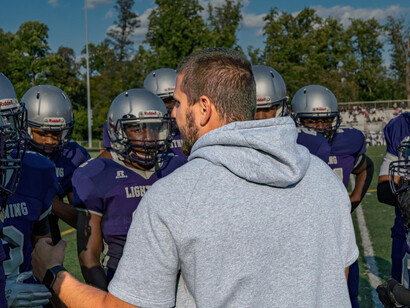
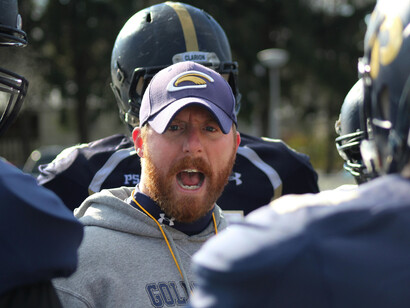
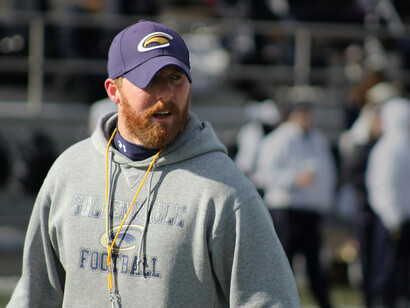
Assistant coaches, even though less visible, are the strength that builds the foundation of the team. They are the ones breaking down minute parts of the skills, techniques, and individual guidance to the players. Their close involvement gives and allows them to make individual connections with all the athletes, making them know each and every one's strengths and weaknesses. Assistant coaches serve as emotional anchors, offering reassurances during tough moments and helping them grow gradually and consistently. They help in maintaining harmony, structure, and continuity within the team.
There is another set of coaches who also play an important role. Usually these coaches are not that rare to find, but not a lot of them have them on their team. They are strength and conditioning coaches. Strength and conditioning coaches also play a very important role in developing a team that is physically prepared for the demands of the sport. They design training programs that build stamina, speed, power, and flexibility while making sure that athletes progress safely and sustainably. Their responsibility extends to monitoring fatigue, preventing injuries, and making sure that the team reaches peak performance. They help develop strength and support immediate foundations that support both immediate performance and long-term health. Their contributions are seen in every good performance that athletes have, where they don’t get injured easily.
The health protectors
Physiotherapists, medical trainers, and sports doctors form the protective layer by focusing on and helping in injury prevention and recovery. These professionals make sure to be quick in responding to the injuries, design rehabilitation programs, and provide treatment that keeps athletes in their best health. They guide them on their posture, strength imbalances, muscle care, and safe and easier training techniques, making sure that physical fitness is always prioritized. Their focus is always to make sure that a healthy athlete is the foundation of a healthy team.
At the same time, mental health professionals contribute to the environment by supporting athletes emotionally and psychologically. Sports psychologists and counselors help players manage the pressure, anxiety, and self-doubt—a challenge that is often invisible to the spectators. They teach and focus on mental clarity, focus, emotional control, and coping with setbacks.
Nutritionists and dieticians also become one of the most important parts of the team, if a team has them. Their job becomes to make sure that the athletes have personalized meal plans and help them be healthy and maintain a particular weight and muscle mass that they need to be in the prime of their sport. These help athletes understand the importance of having food in a proper manner, where it helps in maximizing their energy and performance and gives healthy life choices along with overall well-being.
Team managers
Team managers are the people who are most overlooked in the field. They are the ones that act as coordinators who keep all the operations running smoothly. They handle everything from the biggest and most important concerns to the smallest concerns, making sure the entire process is smooth and hassle-free. They handle travel, schedules, equipment, uniforms, communications, necessary paperwork, and other countless details that come into the picture while in the sport. Their work efficiency prevents confusion, last-minute preparations, confusion, and stress. Their work is often unnoticed, but their support is utmost necessary for the team. Without them, there would be a lot of struggle to maintain any order or consistency.
Together, these individuals make a team, whether it be for an individual sport or a team sport. They create the whole system to ensure that everything runs smoothly and allow the team to grow and flourish. Their efforts may go unseen by the audience, but they are felt by the athletes who depend on them. A team becomes a team with the dedication of these unsung groups who build a culture of support, respect, and shared purpose.
In the end, their collective effort reminds us that success in sports is never individual. It is built through trust, collaboration, patience, and unseen labor that sustains excellence over time.