English
 Español
 Français
 Deutsch
 Italiano
 Português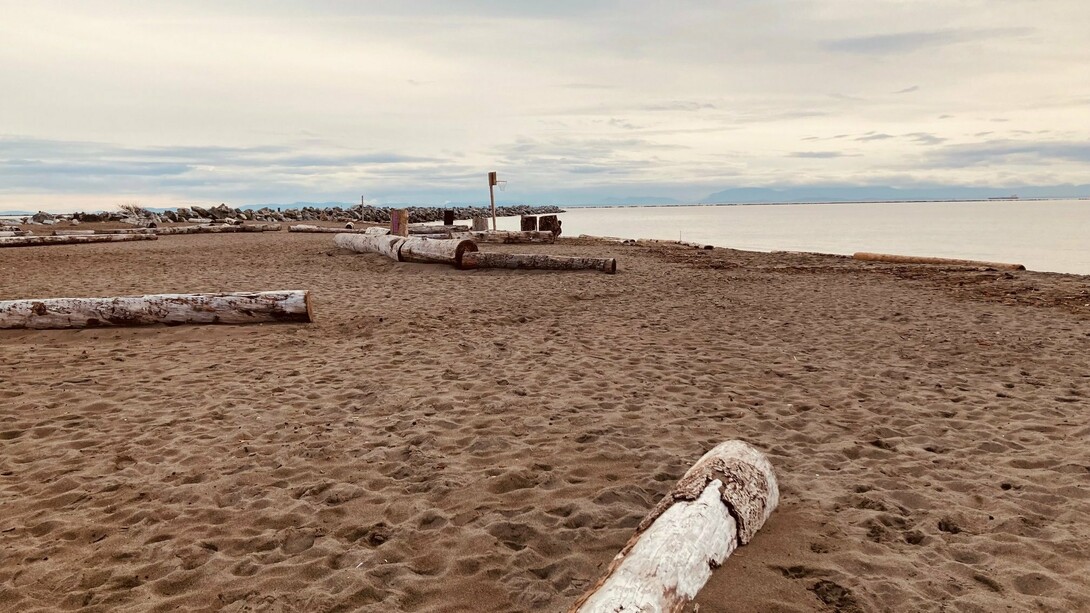
Community, bohemian, and free-spirited vibes, and the thought that a collection of people can commune together, let go of their body insecurities, strip down, and hang loose in their birthday suits was not enough to ever convince Henry to jaunt down to Wreck Beach in the summertime.
Henry wasn’t particularly harsh with himself about how his body looked. He didn’t have a problem stripping down in recreational centers in Vancouver that had pools and saunas. He didn’t even mind being around naked people in the rec-center changing rooms.
They made him think about aging, surgeries, and how everyone's outer physical masks are so unique and diverse. Yes, there are moments in those changing rooms that make him think about how low his skin will sag, how it’ll make him look, and he is very likely powerless to do anything about it.
But after getting a boost of endorphins from a swim and a reminder, calm eases all things in the sauna; all those worries are forgotten. That assurance from feeling calm still never changed his mind about taking it all off at Wreck Beach.
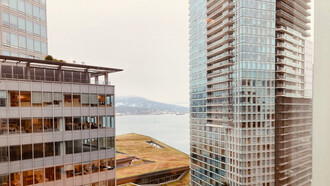
It’s because avoiding crowds when he can is Henry’s specialty. He believes that it’s a key ingredient if one were to embark on life writing about people. It’s a belief he keeps to himself. Yes, Henry sits pretty in a crowd and has forged lasting friendships in a city known to some as one of the loneliest in the world.
It has never bothered Henry because one of his many mantras is “Lonely cities are a great habitat for writers. A wide range of behaviour lives here, where I, the shepherd, can walk through a pasture full of potential stories, and all I have to do is tend to them.”
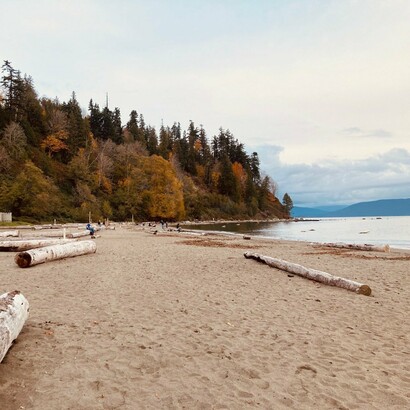
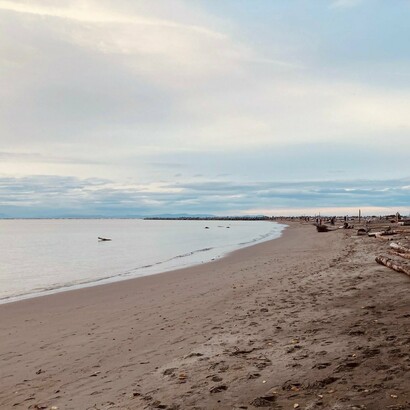
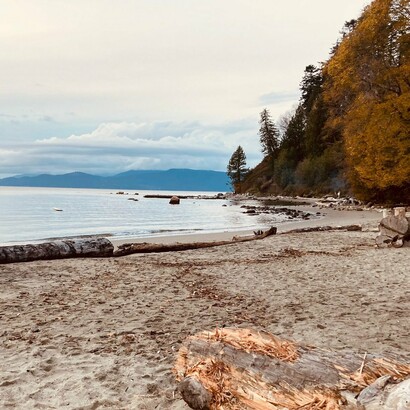
A break from tending to stories, however, is essential to keep the mind in healthy motion of creativity. That’s where Wreck Beach comes in for Henry. Wreck Beach in the wintertime, when its views of the Pacific are fogged up, and the air you breathe is moist, is where the writer in Henry goes to shut his brain.
The gray, somber colors that Wreck Beach creates in the wintertime remind him that there is a place for boredom. Boredom teaches a writer that inspiration, like everything else in life, never stays. They, like the multitude of lives in cities, are all just passing by.
Henry chooses to meet boredom face to face, to embrace it with all its dullness, its longing for a better day, and its empty spaces waiting to be filled up again. He chooses a place usually filled with people experiencing the joys of liberating the body from shame, while indulging in vices, live music, and all the other things that people often do in picturesque beaches.
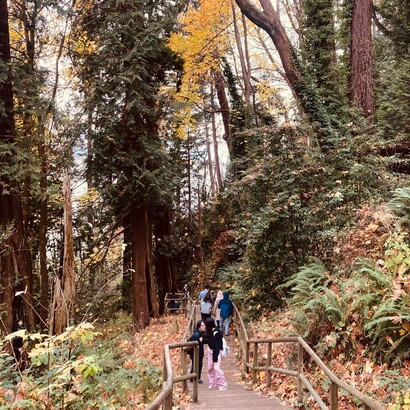
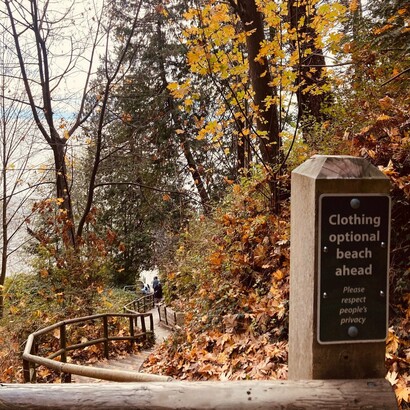
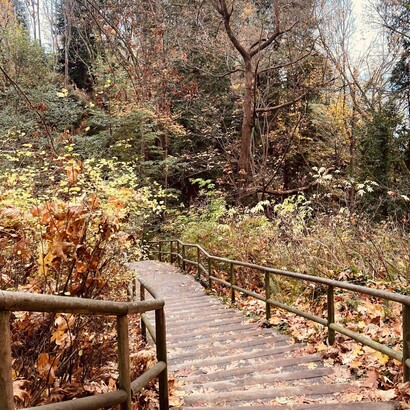
He chooses to trek its winding 400 stairs down a forested cliff and hopes to find it completely empty. He doesn’t mind the few that come to take in the ocean breeze after a hard day's work, or letting their dogs run wild into the vastness. It doesn’t creep into his quest to let boredom wash over him with every wave that comes to shore.
Winter at Wreck Beach is where Henry first experienced what solace really means. It started as a void into nothingness, just like the heavy fogs that shroud the shores of Wreck Beach after days of heavy downpour.
It’s unclear at first, but once the fog clears, he sees the vastness not just of the Pacific Ocean, but the clarity solitude brings to those who dare to delve into it. It makes you small; it can be overwhelming, dark, and deep like the depths of the ocean floor. But once you cross the threshold of nothingness, then acceptance can start creeping into your solitude.
The folks of summer may have left, but the energy of joy, whether acknowledged or not, can linger, and when it is met with the recognition of the things and spaces in life that are empty, icky, and hard to digest, you just might achieve the balance we all need in the urban malaise.
You’ll need the sound of waves, ocean breeze, lush green forests, the cry of bald eagles, and wary sea lions taking a peep at you from a distance. Henry anchors the moment and the players within it with a deep breath, feels the rain so he doesn’t get wet, and just allows.
There are times when he doesn’t get there, but whatever the outcome, he lets it be. But on days when the boredom of grey skies and repetitive waves turns into indescribable wisdom, he takes out a notebook, a pen, and jots down whatever hits him first.
Today, he writes a pastoral for his beloved beach:
Flocked with bodies when the sun rises,
Seekers of freedom and clarity for the form they’re in,
But the unseen knowing doesn’t just create for pleasure,
It calls the creatures of the dark to ponder on the night,
When light dims, and skies only want to speak of unspoken fright,
Where the unknown keeps crashing away with every wave,
It’s cold, unwanted, but doesn’t care, for its frenzy and haze,
Colliding on the shores that create both light and doldrums.
Vancouver’s Wreck Beach is Canada’s only legally recognized clothing-optional beach and is located in the Pacific Spirit Regional Park of the University of British Columbia.
This short story is inspired by the idea of what goes on in popular places in cities during downtime, and the people who inhabit and thrive in them when there isn’t a crowd.