English
 Español
 Français
 Deutsch
 Italiano
 Português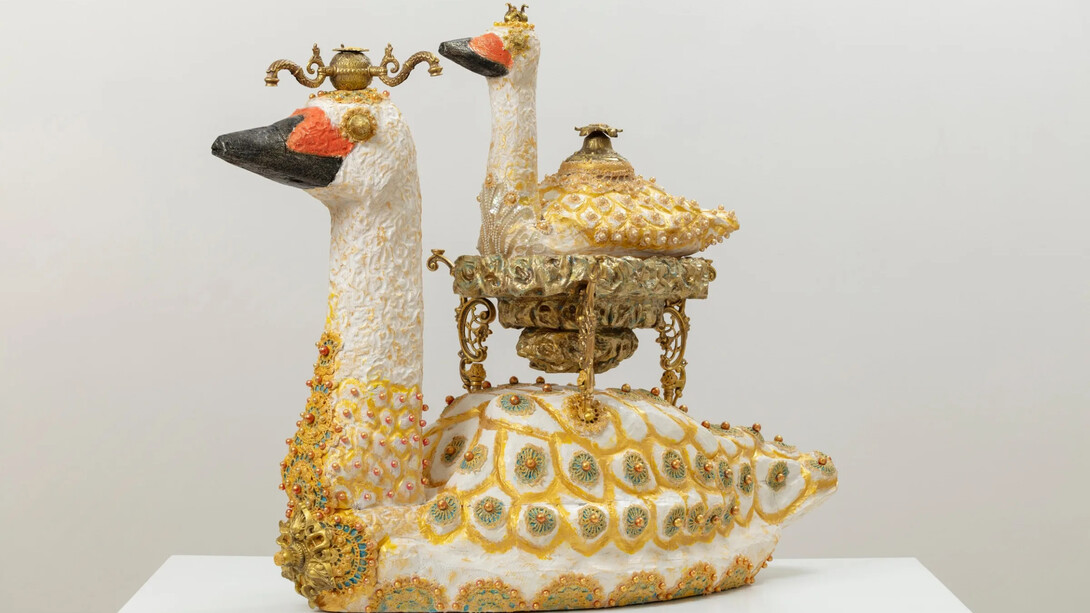
Intricate, skilfully executed wood carving is a defining hallmark of Tapani Kokko’s practice. His sculptures often raise a smile through their playfully offbeat interpretations of art history and human foibles. Richly imaginative, his works exude a palpable joy in making, combining roughly carved textures with exuberant ornamentation to create figures with a mischievous, vibrant presence.
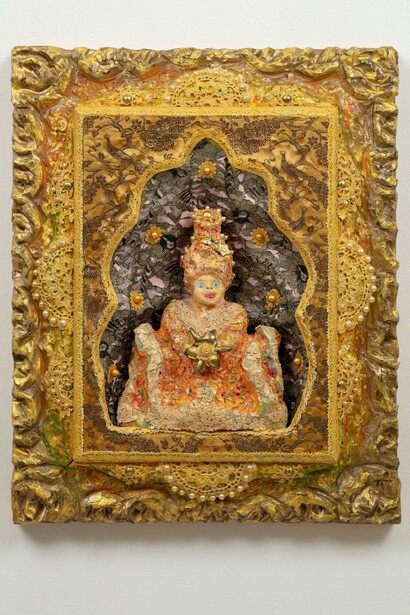
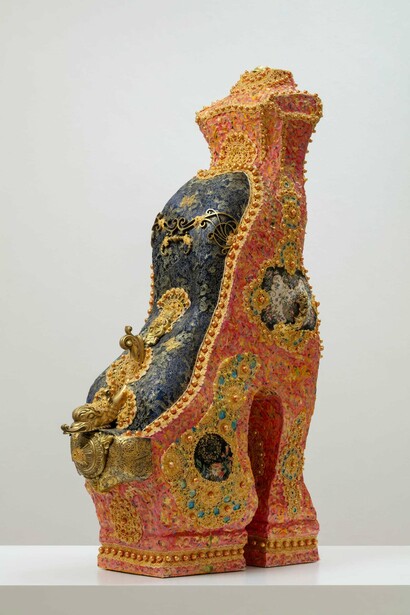
Kokko draws inspiration from a wide range of visual sources, notably the aristocratic Baroque and Rococo styles of the seventeenth and eighteenth centuries. In his hands, however, the drama and opulence of the Baroque and the light-hearted decorativeness of Rococo take on a distinctive rough edge. His unique approach might be described as “folk Baroque” or “Outsider Rococo”: by reinterpreting canonical styles through a craft-based sensibility, Kokko celebrates both the inherent qualities of his materials and unrestrained flights of fancy.
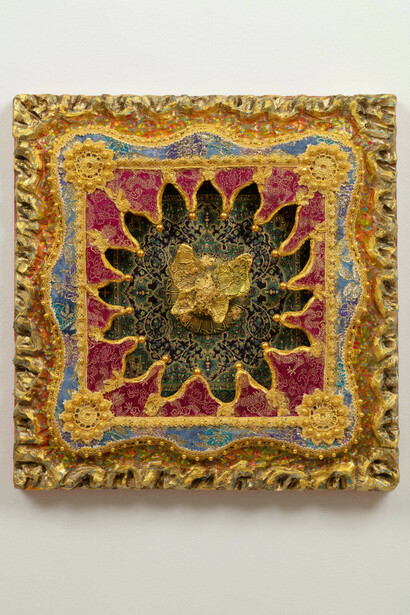
Kokko’s exceptional craftsmanship is evident in his wide range of woodworking techniques. Carved wood is often combined with colourful textiles, gold paint, and glitter, lending his sculptures a storybook-like magic. Grooves and drawn details suggest movement and dynamic tension, while the lively, textured surfaces seem to beckon the viewer into an imaginative world. Adding their own charm are old candlesticks, chandeliers, silver spoons, and other vintage objects that Kokko incorporates into his works.