English
 Español
 Français
 Deutsch
 Italiano
 Português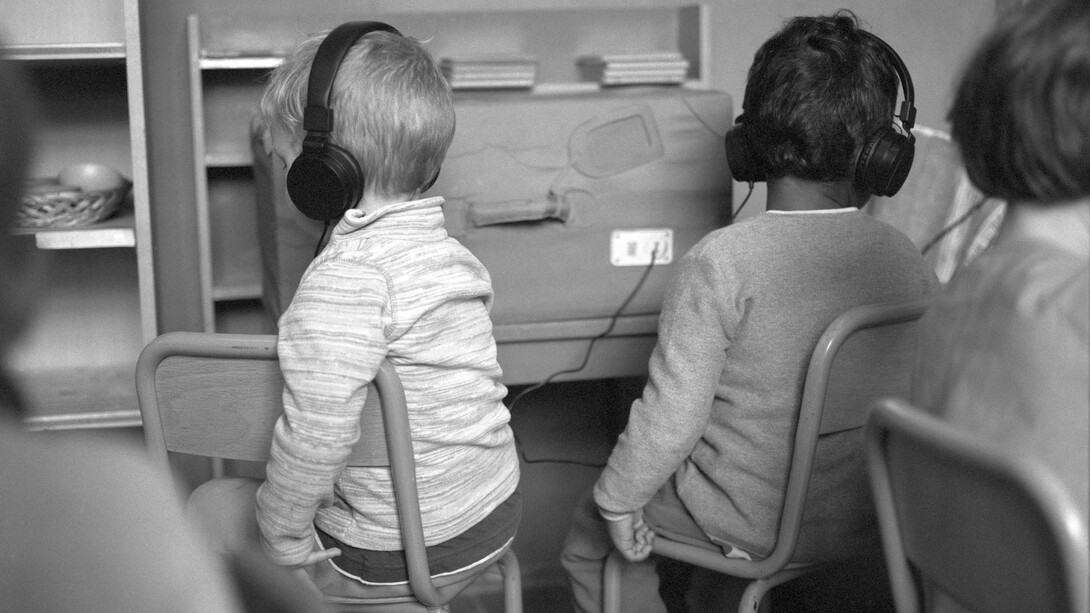
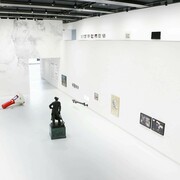
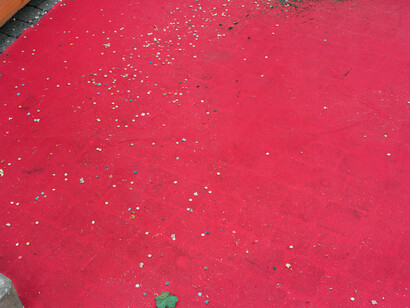
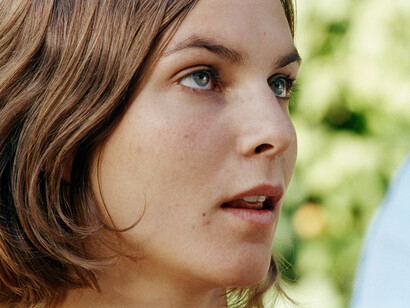
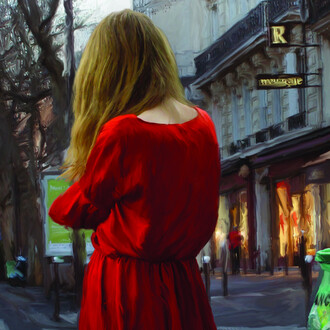
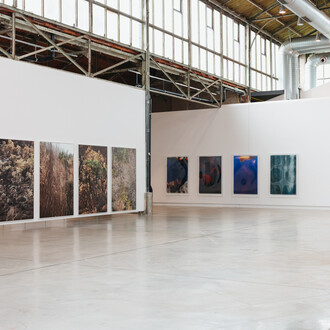
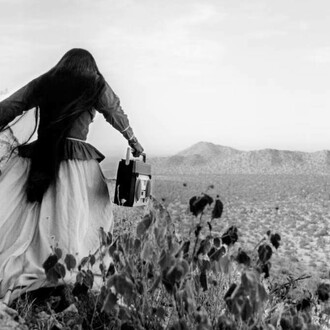
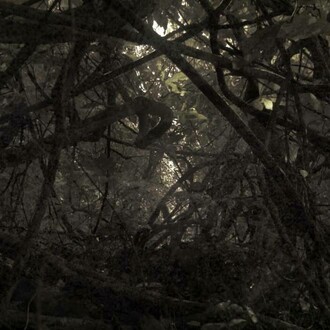
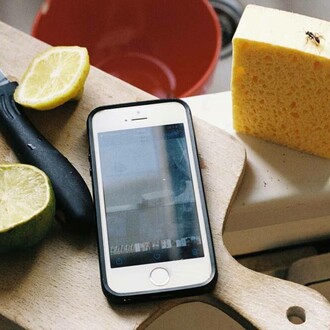
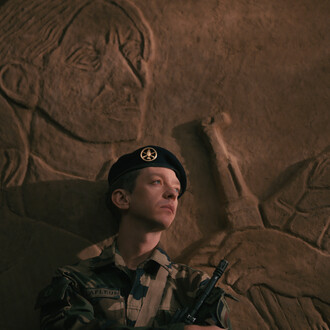
The first major retrospective dedicated to Belgian photographer Chantal Maes (Brussels, 1965), the exhibition … puisque bafouillent aussi les astres [… because even stars stumble] unfolds her entire oeuvre by interweaving well-known series, previously unseen ensembles and recent works created especially for the occasion.
This proposition stems from a long-term undertaking begun more than three years ago by the artist together with Jean-François Chevrier and Élia Pijollet, working through a corpus spanning thirty years of practice: photographic images of various kinds, but also video and sound recordings, and filmed performances linked to the experience of stammering. The reading of the work seeks to be both retrospective (revealing a corpus that is solid, diverse and structured) and projective, opening onto works yet to come.
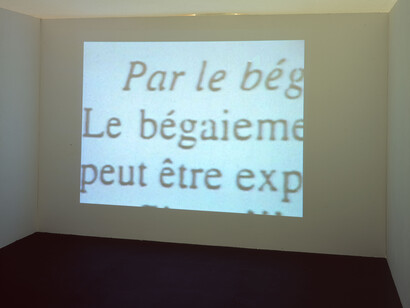
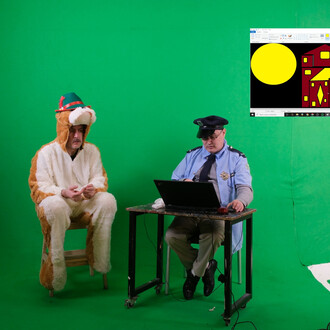
"People have said that I “have the gift of stammering,” writes Chantal Maes in one of her biographical notes. This gift shapes my relationship to others, structures my thinking, and shapes my relationship to language and the body. I often stage speech, even though it has been a problem for me since childhood: speaking, being looked at, seeing and hearing the silent questioning of the person listening—all of this has become the subject of my research into language, self-construction and the dynamics of interaction." The title, … puisque bafouillent aussi les astres, is borrowed from a text by Belgian poet Christian Dotremont (1922–1979), read aloud by Chantal Maes in one of the videos from the series Take a look from the inside (2004). With the camera on her shoulder, she films the text as she reads it, and as she struggles to "get the words out", the camera mirrors the tremors of her body and echoes her stumbles.
Situations involving speech, the beginnings of oral utterance, the emergence of expressive difficulty and the disturbance it produces are addressed in the artist’s work in their spatial, bodily, psychological and intellectual dimensions. Chantal Maes achieves the remarkable feat of tackling this experience of orality through photography, using the image as a silent trace. She imbues her photographs with the powers of consolation, intercession and metaphor traditionally associated with images. While her work centres on human interactions, it is also grounded in a distinct quality of introspection. The frame of the photographic or video image becomes a threshold between the Self and Others.
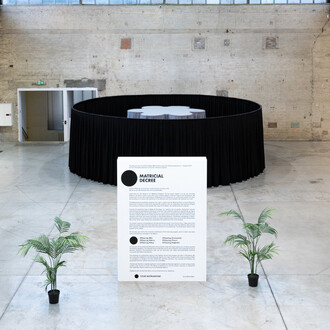
The exhibition is composed of elements arranged according to a constructive logic. These notions of "element" and "construction" guided the curators throughout their ongoing exchanges with the artist. A constructive process, certainly – since this is art – but also a biographical one, artistic activity being inseparable from biographical construction (in the sense of "building the self" rather than deliberate fiction).
Photographic images of various types and formats, both earlier and unpublished, along with video sequences and sound recordings produced between 1989 and 2025, are articulated around the underlying idea of a cinema on paper: visiting the exhibition becomes a kind of cinematic experience within the artist’s work.