English
 Español
 Français
 Deutsch
 Italiano
 Português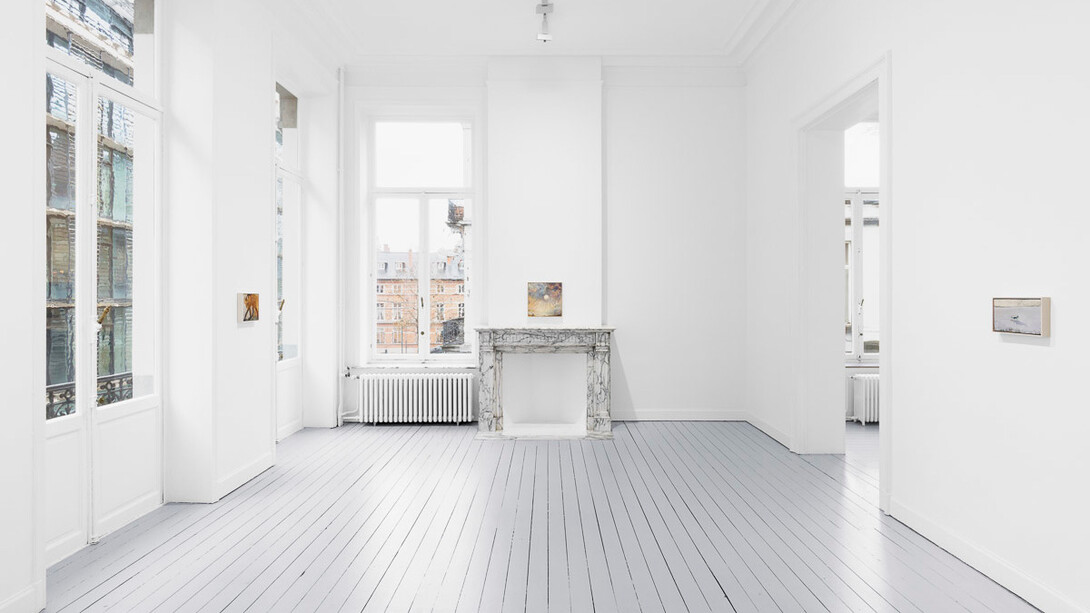
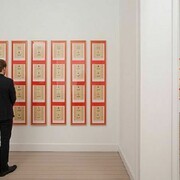
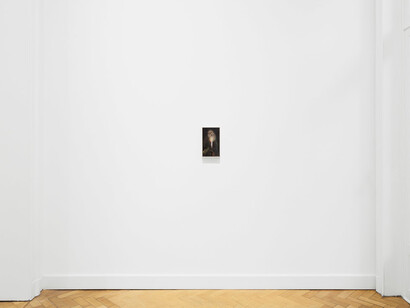
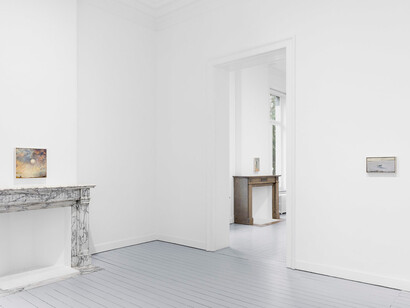
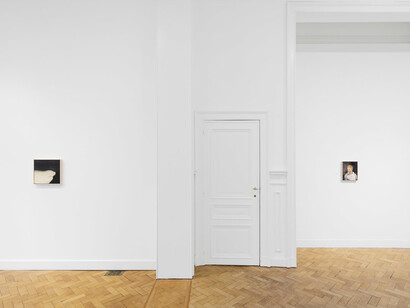
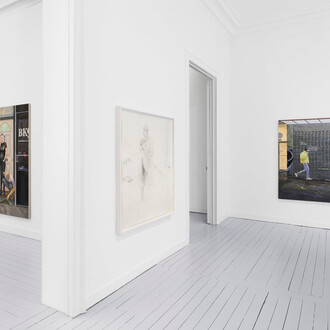
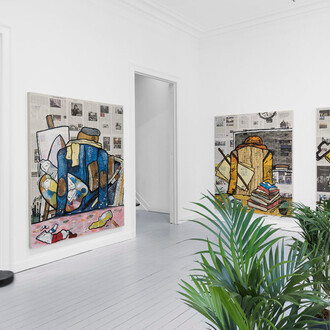
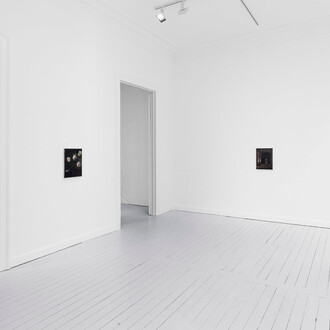
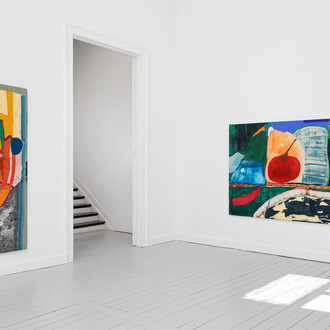
In January 2026, Gladstone Gallery in Brussels will present an exhibition of new work by Seth Becker. The exhibition titled Skunks misery road is the first European presentation of the Hudson Valley-based artist. The installation will feature 15 new small-format painted works on wood panel, linked by the time and emotional intensity in which they were made. Created during a period of profound personal upheaval, these paintings reflect a chapter defined by grief, transformation, and interior reckoning—marking a shift in Becker’s relationship to painting and self.
The title of the exhibition refers to Skunks misery road, a rural road in the Hudson Valley, the region where Becker has lived and worked for the past five years and served as the backdrop to the most fraught years of his life. Through these new works, the skunk becomes a strange, intimate symbol for a lost relationship, and for the instability and metamorphosis that grief demands.
Painted on salvaged barn wood sourced from across the Hudson Valley, the works embody Becker’s complex relationship with the region. The wood functions both as material and metaphor, freeing Becker of the labor of manipulating surface and instead letting the paint assert its own voice. The works include elements of collage and recurring motifs—stars falling to earth, skeletons, a nurse shark, anthropomorphized suns and moons, landscapes that shift from the terrestrial to the metaphysical—each painting emerging from the one before it.
Tender and macabre, humorous and spiritual, Becker’s approach resonates with his deep engagement with art history and his affinity for painters such as Ensor, Bruegel, Goya, Rembrandt, and Chardin, artists unafraid to preserve roughness of touch or emotional vulnerability. His paintings balance sentiment with sentimentality, leaning into wonder and seeking to preserve a way of looking at both the world and the natural environment that resists cynicism.
While the works arise from grief, Skunks misery road ultimately embodies transformation and looking forward: a process of letting go, and a painterly language built through sensation rather than message, reflecting Becker’s view of painting as an embodied practice shaped by material experiment and improvisation.