English
 Español
 Français
 Deutsch
 Italiano
 Português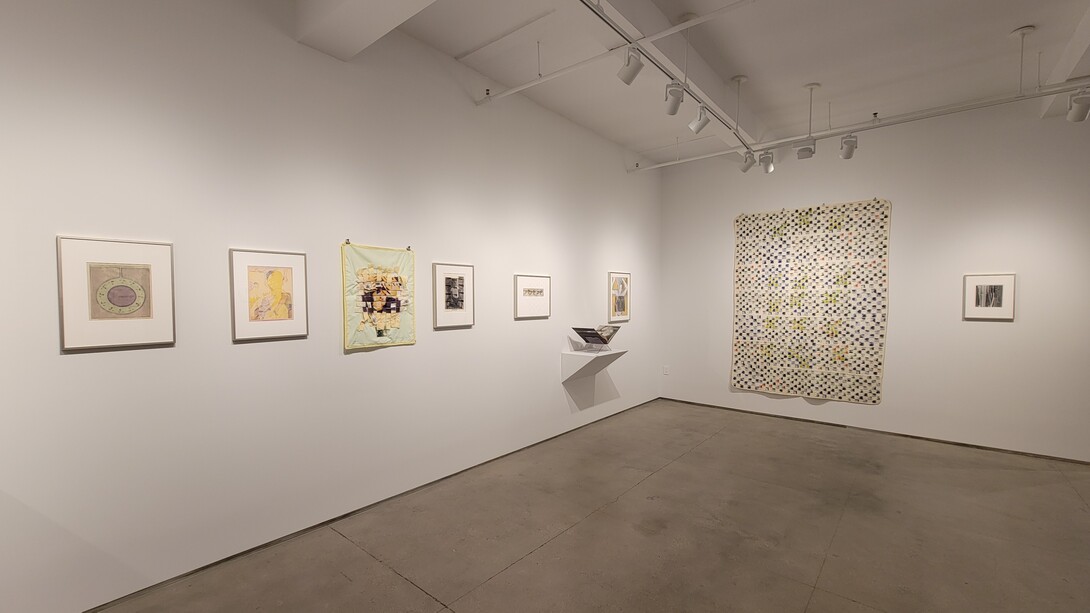
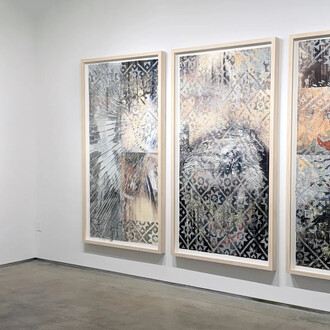
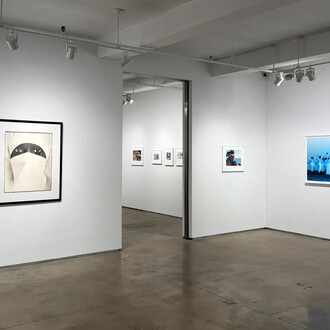
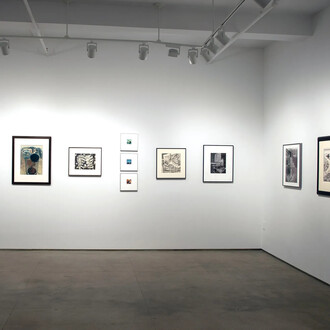
Bruce Silverstein Gallery is pleased to present Keith Smith: synecdoche, curated by Megan N. Liberty, the gallery’s fifth solo exhibition of the artist’s work. The title Synecdoche, “a figure of speech in which a part represents the whole,” captures the conceptual premise of this exhibition and a central tenet of Smith’s practice. In his own words, “pictures can, no, must give up their sovereignty for the sake of the total.”
The exhibition brings together over forty works from Smith’s groundbreaking early experiments in photography and bookmaking from the 1960s to the 1980s, a period of profound innovation. Drawn from the artist’s personal archive, the collages, works on fabric, postcards, and artist books in this exhibition offer a rare opportunity to appreciate a true polymath who drew upon a vast range of mediums and techniques to explore themes of love, self-identity, sexuality, friendship, and domesticity. Over six decades, Smith has consistently challenged and expanded the boundaries of art, influencing generations of artists working at the intersection of image, text, and structure.
Keith Smith’s (b. 1938) early experimental works stem from undergraduate studies at the School of the Art Institute of Chicago (1963–1967) and continued experimentation at Visual Studies Workshop, where he was influenced by Nathan Lyons, Sonia Landy Sheridan, and Joan Lyons. It was during these formative years that Smith began experimenting with sequencing photographs, employing innovative printmaking techniques, as well as stitching, collage, drawing, and painting. Since then, Smith has continued a lifelong investigation into the book as an artistic medium, placing him at the forefront of a movement that transformed the book from a container of images and text into a dynamic sculptural and conceptual form, challenging conventions of sequence, structure, and narrative.
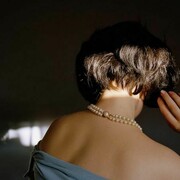
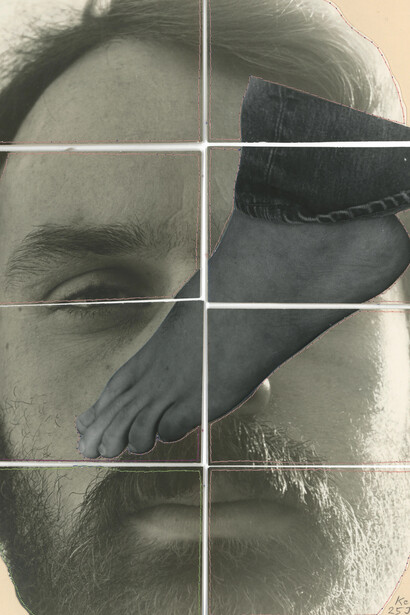
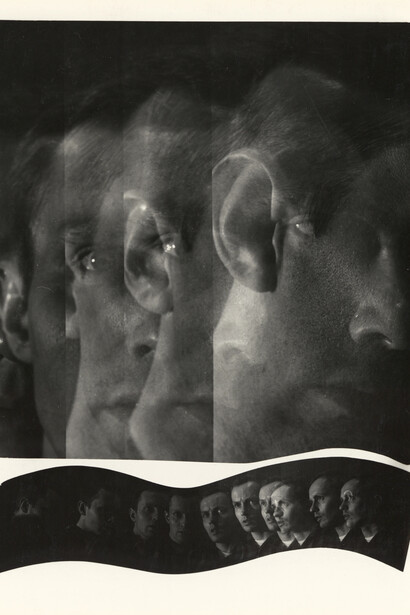
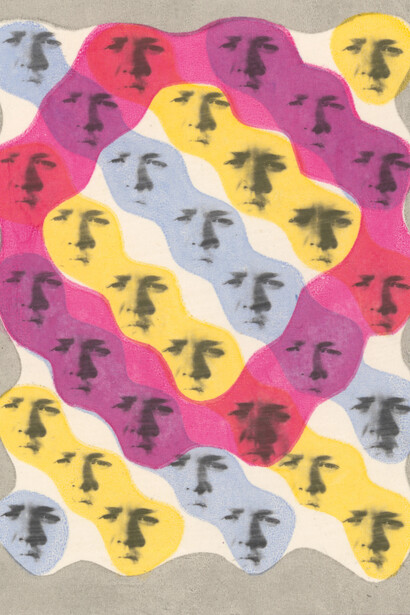
Across Smith’s early works, Liberty observes, a persistent interest in shifting perception of the part within the whole. This dynamic is especially evident in his use of transparencies, collage, quilting, and photocopier technology. The works gesture to the unexpected relationship between the part and the whole, changing how we read a book or see a photograph.” To this end, Book number 2, a change in dimension (1967) and Postcard: Keith (1975) both feature moving transparent sheets. Other works use body parts as stand in for full figures, such as floating heads in Emerging image, portrait of the artist (1965). Miss B. (1971), Eye quilt (1965), and Book number 10, orifice (1969) use quilting techniques and patterns to create layers that shift how we see the figures. In other cases, the stitched parts create gridded bodies that suggest people in motion and cinematic sequencing, as in Book number 27 (1973), Book number 34 (1973), and two untitled copier portraits from 1971.