English
 Español
 Français
 Deutsch
 Italiano
 Português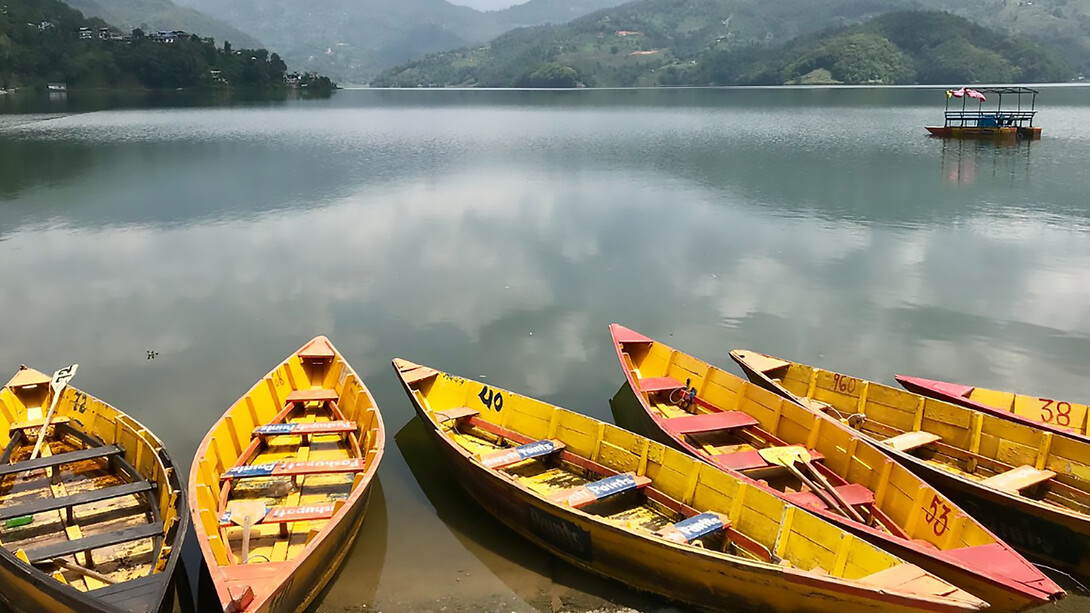
In the heart of Nepal’s enchanting Pokhara Valley lies a serene and captivating destination—Begnas Lake, a pristine freshwater jewel known for its calm ambience, untouched natural surroundings, and unhurried rural charm. While Phewa Lake draws global visitors with its bustling lakeside, lively nightlife, and urban conveniences, Begnas Lake offers the opposite: a quiet, intimate experience rooted in nature, culture, and simplicity.
For travelers seeking authenticity, Himalayan vistas, local hospitality, and peaceful immersion in Nepal’s natural landscapes, Begnas Lake is an unmatched tourism gem. It combines the allure of shimmering waters with lush hills, thriving biodiversity, and traditional Gurung-Magar villages that have preserved their way of life for centuries. This article explores Begnas Lake from the tourism perspective, highlighting how it has evolved into a sustainable tourism destination, what attractions and experiences it offers, and why it stands as one of Nepal’s most meaningful places for slow travel.
Begnas Lake in Nepal’s tourism landscape
Nepal’s tourism industry is dominated by trekking routes, adventure sports, cultural heritage sites, and the iconic city of Pokhara. Within this competitive tourism ecosystem, Begnas Lake distinguishes itself with a unique value proposition. Where Phewa Lake is vibrant and crowded, Begnas Lake is quiet and spacious, drawing tourists who prefer tranquility, scenic reflection views, and a relaxed environment. It is ideal for travelers escaping urban noise and concentrated tourism, making the lake a peaceful alternative to Phewa.
The lake is also perfectly aligned with the philosophy of slow and responsible tourism. It encourages deeper connections with nature, culture, and local communities through homestays, village tours, agro-tourism activities, and holistic wellness retreats. Surrounding villages such as Sundari Danda, Kot Bhuin, Kalimati, Majhi Gaun, and Hanspur provide gateways to rural tourism. Here, visitors engage with traditional food, rituals, farming practices, and everyday village life, which have become rare experiences in an increasingly globalized and urban-centered tourism world.
Natural attractions and scenic splendor
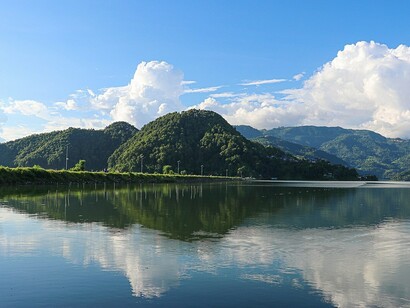
Tourists are drawn to Begnas Lake for its extraordinary natural beauty. The lake’s surface reflects the surrounding green hills and distant Himalayan ranges, creating an ideal setting for photography, meditation, and quiet reflection. On clear mornings, the Annapurna range, Machhapuchhre, and Manaslu appear majestically along the lake’s horizon, especially captivating at sunrise when golden light illuminates the mountains and reflects across the water.
Sundari Danda, positioned between Begnas and Rupa Lakes, has become one of the region’s most iconic viewpoints, offering 360-degree panoramas of the valley and dawn-lit landscapes. It has emerged as a highly Instagrammable location, particularly among travelers seeking striking sunrise views over both lakes. The trails surrounding the lake are also appealing; trekkers and hikers enjoy scenic paths lined with pine forests, sal trees, farmlands, and traditional houses. Birdwatchers benefit from the area’s ecological richness, as the lake hosts numerous migratory and resident bird species that enhance Begnas Lake’s ecotourism value.
Tourism experiences and activities
Begnas Lake supports a diverse range of tourism activities that balance recreation with ecological mindfulness. Boating is the most iconic experience here. Unlike the commercial motorboats found on Phewa Lake, boating at Begnas is strictly regulated to preserve tranquility. Visitors can hire rowboats, paddle boats, and family-sized boats, navigating the calm waters in silence while exploring small islands and panoramic views.
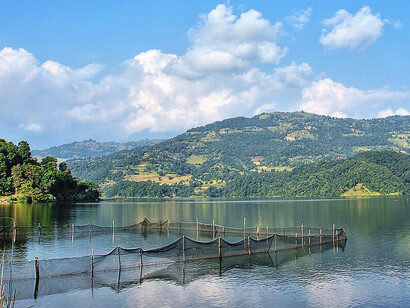
Swimming is also popular thanks to the lake’s clean freshwater environment, and some resorts provide private lake access for their guests. Fishing remains both a livelihood and an attraction; visitors can join local fishermen, learn traditional fishing methods, and catch carp, rohu, and catfish. Recreational angling appeals to niche travelers seeking slow-paced outdoor experiences.
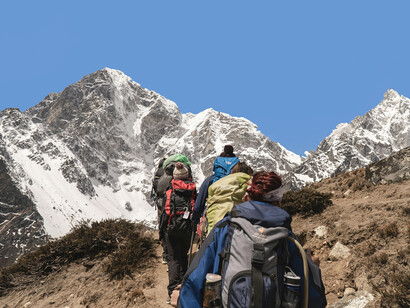
Short treks surrounding the lake, such as routes toward Sundari Danda, Kalika, Kot Bhuin, and the Thulakot and Begnas–Rupa twin lake loop, offer accessible adventures for families and beginners. The area’s wellness tourism scene has grown rapidly, with retreats offering yoga classes, meditation sessions, Ayurvedic therapies, herbal treatments, and wellness programs. Photographers and filmmakers are also drawn to Begnas Lake thanks to its misty mornings, terraced fields, still waters, and mountain horizons that create compelling backdrops for pre-wedding photoshoots, travel films, and documentary projects.
Tourism infrastructure, culture, and hospitality
Begnas Lake benefits from balanced infrastructure that supports visitors without undermining the natural environment. Accommodation options range from boutique eco-lodges and lakeside resorts to budget guesthouses, community-run homestays, and wellness retreats. These establishments aim to preserve a natural atmosphere while offering modern comfort.
Culinary tourism flourishes around the lake. Local restaurants and homestays serve fish sourced directly from the lake, dal-bhat prepared with organic vegetables, Magar and Gurung dishes, homemade pickles, and millet-based recipes like kodo ko roti and raksi. Many visitors appreciate the farm-to-table nature of these meals.
Begnas Lake is located 30–40 minutes from Pokhara Lakeside, making it accessible for both day trips and extended stays. Public buses operate along the Prithvi Highway, and taxis, motorcycles, and bicycles provide alternative transportation options. The accessible roads enhance the lake’s appeal without contributing significantly to environmental stress.
Cultural tourism thrives through homestays, where guests experience traditional rooms, home-cooked meals, daily household tasks, and cultural programs. Visitors often participate in agricultural practices such as rice or millet harvesting, vegetable farming, beekeeping, and livestock care. Gurung and Magar heritage remains visible in Rodhi ghar gatherings, traditional dances like Sorathi and Maruni, folk songs, weaving, and rituals that provide cultural depth far beyond sightseeing.
Sustainability, challenges, and the future
Begnas Lake is often regarded as a model for sustainable and responsible tourism in Nepal. Unlike Phewa Lake, it has avoided large-scale commercial development, with development regulations limiting pollution, boating, and resort construction. Local cooperatives oversee boating, homestays, fishing, and waste management, ensuring that revenue reinvests into the community—supporting education, infrastructure, and conservation. The region’s eco-friendly policies include plastic bans, organic farming initiatives, reforestation projects, and sustainable fishing regulations designed to protect the lake’s ecological integrity.
However, the destination also faces challenges. Invasive water hyacinth sometimes spreads across the lake’s surface, disrupting fishing, boating, and scenic beauty. Growing tourism generates waste, and disposal infrastructure has not fully kept pace. Climate change presents additional difficulties: irregular rainfall and rising temperatures affect water levels, biodiversity, and the region’s agricultural rhythms. Some areas lack proper signage, public toilets, organized parking spaces, and tourist information centers, which can limit visitor comfort.
Despite these challenges, future tourism prospects are promising. With rising global demand for wellness and slow travel, Begnas Lake is positioned to become a leading retreat destination in Nepal. Small-scale eco-lodges, water-based soft adventure sports like kayaking and guided canoe trips, cultural circuits linking Begnas with Rupa Lake and Thulakot, and agro-tourism initiatives could expand the area’s appeal. As travelers increasingly seek nature-focused, culture-driven, and low-impact tourism, Begnas Lake may serve as a blueprint for sustainable development in Nepal.
Conclusion
Begnas Lake stands as one of Nepal’s most meaningful tourism destinations, where nature, culture, and community blend seamlessly. Its peaceful waters, traditional villages, scenic viewpoints, and wellness offerings make it a refuge for visitors seeking depth, meaning, and connection in a world overwhelmed by speed. In a global moment where calm, authenticity, and nature-oriented experiences hold growing value, Begnas Lake represents not only a destination but a vision—a compelling model for the future of sustainable tourism in Nepal.