English
 Español
 Français
 Deutsch
 Italiano
 Português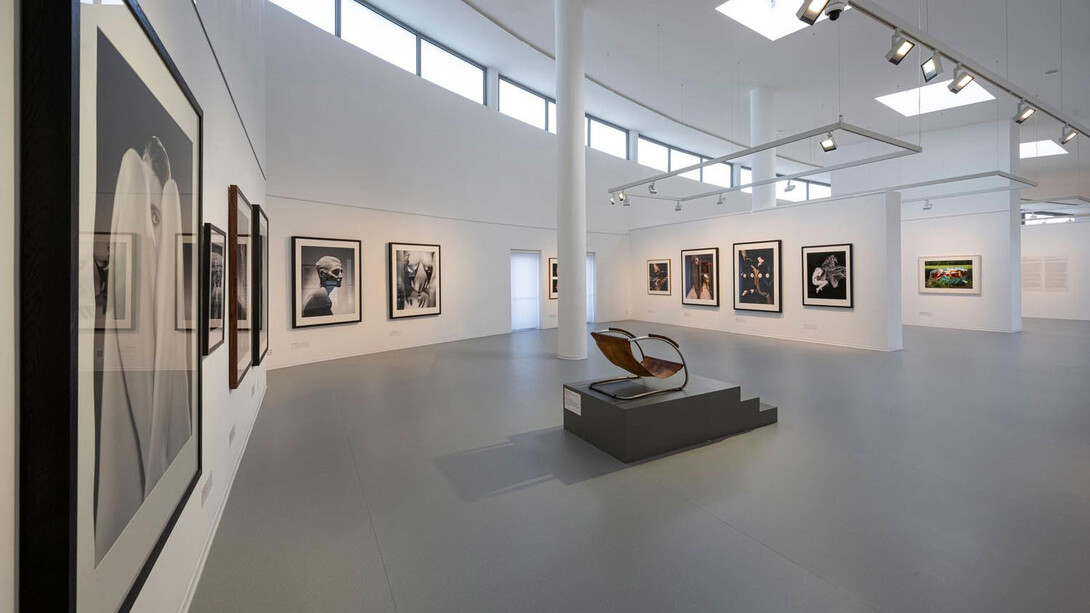
Tono Stano is one of the most renowned photographers in Central Europe, with strong ties to the broader photographic and artistic world. Since the early 1980s, when he entered the art scene, his staged photographs in particular have attracted attention through their distinctive visuality, imagination, humor, and sophistication – qualities that have also influenced later generations of photographers both at home and abroad. In 1985, photography historian Daniela Mrázková commented that Tono Stano possessed a talent unseen in Czechoslovak photography for many years.
In the mid-1980s, as a photography student at FAMU in Prague, Stano and several classmates from Slovakia stood out for their spontaneity, playfulness, and sharp break with the established models of school practice. The Slovak New Wave breathed new life into the rigid atmosphere of the time with a strong dose of humor, irony, and exaggeration, while incorporating a wide range of methods and approaches from fine art into their photography. Staged photography gradually became the defining expression of an entire generation.
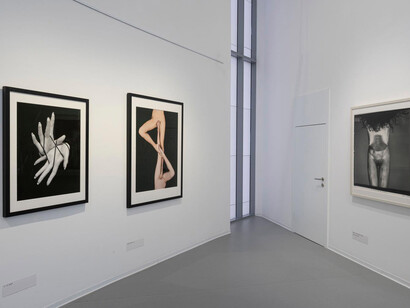
Stano is best known for his figural compositions, although his work also includes portraiture and outdoor photography. During his studies, he developed a distinctive style rooted in postmodern staged photography: carefully arranging scenes, creating situations and compositions in which the human body – especially the female body – became the central element. In his vision, nudity is a natural part of human life. His photographs can be irritating, humorous, and provocative at the same time, marked by exaggeration, a striving for beauty, grandeur, and infinity… He experiments with a variety of techniques and genres, which often overlap and sometimes even appear to contradict one another. He is frequently connected with contemporary visual art, which leads him to create in cycles and series. His practice remains deeply connected to contemporary visual art, which he draws from freely, yet his greatest source of inspiration is life itself.
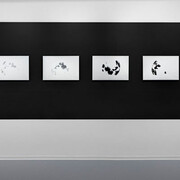
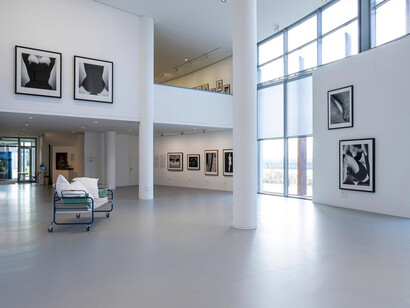
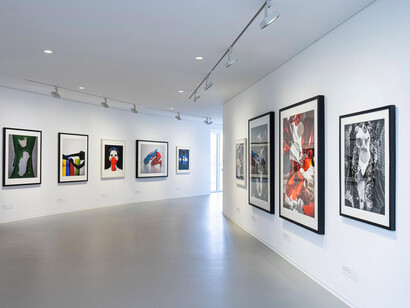
The exhibition at the Danubiana in Bratislava is conceived as a “working retrospective.” It brings together works created during his secondary school studies alongside his most recent images. However, the exhibition, which features studio photographs, Biely tieň a Kozmos (the White Shadow and Cosmos) cycles, as well as works produced outside the studio, is organized thematically, not chronologically. The presentation is further complemented by smaller collections, such as his design for the Crystal Globe for the 2001 Karlovy Vary International Film Festival.