English
 Español
 Français
 Deutsch
 Italiano
 Português
For years, muscle strength and visible definition have dominated the conversation around fitness. And while strong muscles certainly matter, there’s another key element that often gets overlooked—mobility. More than just flexibility, mobility is the body’s ability to move efficiently, pain-free, and with control. It supports every movement we make, from squatting and lunging to reaching and rotating.
Whether you’re an athlete, recreational exerciser, or simply aiming to stay active for life, mobility may be your most undertrained asset.
What is mobility, really?
Mobility refers to a joint’s ability to move through its full range of motion, with strength and control. It’s a combination of flexibility, motor control, and stability. This differs from passive stretching or flexibility, which doesn’t require muscle engagement or balance.
Think about being able to raise your arms overhead without arching your back, or completing a deep squat without lifting your heels or shifting forward. These are examples of mobility in action.
Why mobility should be a priority
1. It reduces injury risk
Modern life—particularly long periods of sitting—can limit joint range and muscle activation. This leads to compensations and imbalances, which can create joint strain over time. Adding intense workouts to that foundation without addressing mobility often results in pain or injury.
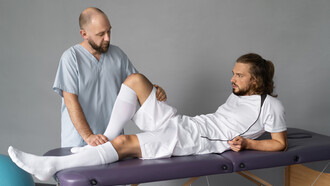
Incorporating mobility training into your weekly routine helps restore alignment, activate supporting muscles, and improve how your body moves. This pays off both during exercise and throughout your daily life.
2. It enhances performance
From runners and swimmers to weightlifters and dancers, improved mobility contributes to more efficient, powerful movement. When joints move well, muscles can fire in the correct sequence. This allows for better technique, more control, and even energy savings.
For example, greater ankle mobility leads to better squat depth and form. Shoulder mobility improves overhead movement. The more mobile you are, the more potential you unlock in strength, speed, and agility.
3. It supports long-term function
Fitness should support you for a lifetime—not just for a season. As we age, joint health and movement quality often decline. But this doesn’t have to be the case. People who prioritize mobility maintain their ability to move freely, bend, rotate, and carry out everyday tasks without restriction or pain.
Long-term, mobility supports independence and active aging, from playing with grandchildren to staying involved in sports or travel.
How to train mobility effectively
Mobility work doesn’t need to replace your current routine—it can be integrated easily into warm-ups, cooldowns, or stand-alone sessions. Here are a few proven ways to train mobility:
1. Start with dynamic warm-ups
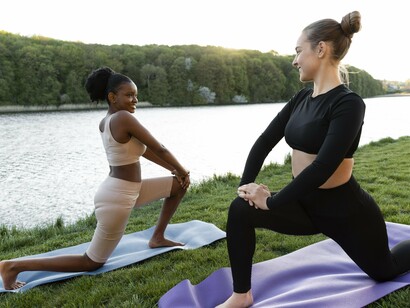
Before workouts, use controlled movement-based warm-ups rather than passive stretches. Try arm swings, deep lunges with rotation, and hip circles. These prepare your joints for movement and help activate stabilizing muscles.
2. Incorporate controlled articular rotations (CARs)
CARs involve slowly moving joints through their full range of motion. These are ideal for maintaining joint health and improving coordination. They’re especially effective for the neck, shoulders, spine, hips, and ankles.
3. Build strength at end ranges
Exercises like deep squats, long lunges, and loaded stretches improve both flexibility and joint control under tension. Work on slowly increasing your range while maintaining proper alignment and core engagement.
4. Use focused programs or classes
Yoga, functional mobility training, or systems like Functional Range Conditioning (FRC) offer structured progressions that can complement any strength or cardio regimen. A new innovative class format and movement practice called MSINGI is also highly mobility-focused. Touted as the world’s first Afrocentric functional movement practice, MSINGI is based on 11 foundational movements that progress in intensity and range of motion in the “elemental spirit” of Earth, Wind, and Fire. Movements are driven by the tempo of Afrobeat music, creating an enjoyable cultural twist and energy. Even 10–15 minutes of any mobility exercise routine a few times per week can make a significant difference.
Key takeaways and motivation to move
Mobility isn’t just “extra credit”—it’s foundational. If you want to lift heavier, run faster, reduce injury risk, or simply move better in your daily life, mobility needs to be part of your plan.
Here are a few tips to help you get started:
Begin small. 5–10 minutes of mobility work added to your warm-up or cooldown can have an impact.
Be consistent. Like any training, mobility requires regular effort to see results.
Focus on quality over quantity. Controlled, intentional movement is more beneficial than rushing through reps.
Listen to your body. Mobility training shouldn’t cause sharp pain. Work within your current limits and progress gradually.
Final thought: strong is great—but can you move well?
Mobility might not get the same spotlight as muscle size, but it’s a cornerstone of true fitness. Think of it this way: your strength is only as useful as the movement it supports. Mobility is what allows you to access, control, and sustain that strength.
So whether you’re lifting, running, or chasing your kids around the park, aim to move with power and grace. Mobility is the new muscle—and it just might be your most important one.